
Orchid Care
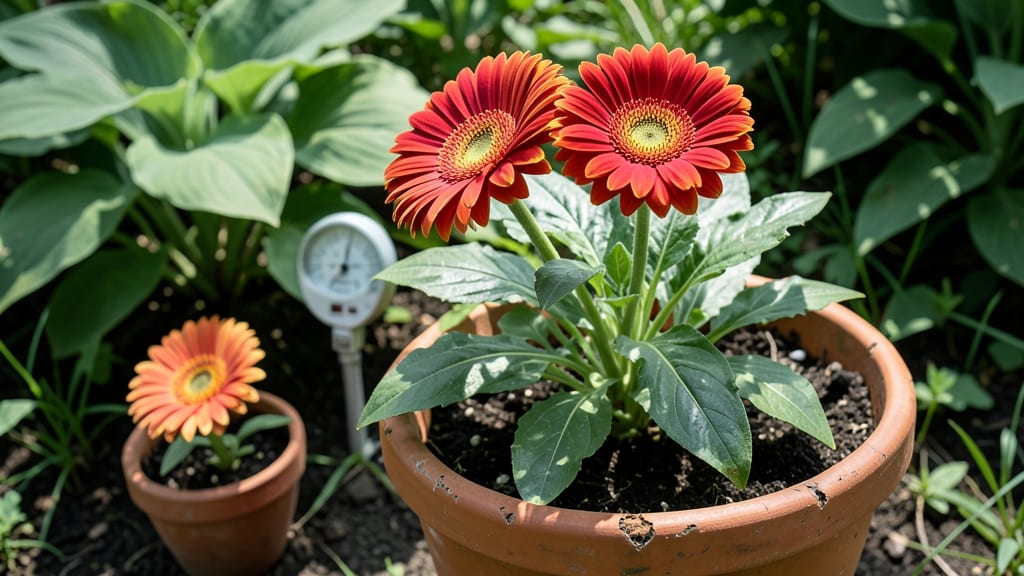
Do gerbera daisies like sun or shade, or do they prefer the brightest light to burst into their boldest colors?
If you’ve ever watched your gerbera daisies struggle with pale petals or sparse flowers, chances are they’re not getting enough sunlight. These sun-loving plants can also suffer in intense afternoon heat, especially in hotter climates like USDA Zone 6a.
Balancing their need for light with protection from harsh rays is the key to keeping them vibrant. Whether you’re growing them in containers or garden beds, positioning matters—too much shade leads to leggy stems, while too much sun can scorch delicate leaves.
Below, I’ll break down how to spot the right light conditions, adjust for your climate, and keep your gerberas blooming their best all season long.
 Best Window Placement
Optimal sunlight requirements for gerbera daisies to bloom brilliantly
Gerbera daisies thrive in full sun but can tolerate partial shade with adjustments. These cheerful flowers need 6-8 hours of direct sunlight daily to produce their signature vibrant blooms.
Without enough light, photosynthesis slows, leading to fewer flowers and weaker stems. Understanding their sunlight needs is key to maximizing your gerbera’s potential.
The ideal sunlight range for gerbera daisies falls between 6 and 8 hours of direct sunlight. This ensures optimal photosynthesis efficiency and supports the energy production needed for abundant blooming. In regions with intense afternoon sun, providing morning sun exposure can prevent leaf scorch while still meeting their light requirements.
Seasonal adjustments are crucial for gerbera daisies. During summer months, when sunlight is most intense, they may benefit from light afternoon shade to prevent wilting. Conversely, in cooler spring or fall months, extending their sunlight exposure to 8 hours can encourage stronger growth and more prolific flowering.
Light intensity also impacts flower production and plant health. Gerbera daisies perform best under bright, direct sunlight, which enhances their natural pigments and keeps foliage vibrant. In low-light conditions, their leaves may become pale, and flower buds may fail to open properly, leading to a less impressive display.
Here’s a quick reference to help you gauge the right sunlight conditions for your gerbera daisies:
| Sunlight Requirement | Ideal Hours | Seasonal Adjustments | Impact of Improper Light |
|---|---|---|---|
| Full Sun | 6-8 hours | Morning sun; afternoon shade in summer | Fewer blooms, weak stems |
| Partial Shade | 4-6 hours | Extend exposure in cooler months | Pale leaves, small flowers |
| Low Light | <4 hours | Not recommended | Leggy growth, no blooms |
| Intense Afternoon Sun | 6+ hours | Use shade cloth | Leaf scorch, wilting |
For container-grown gerbera daisies, placing them on a south-facing patio or balcony ensures they receive the maximum sunlight exposure needed. If your space is limited, consider using a reflective surface like a white wall or mirror to bounce extra light onto the plants, which can simulate additional sunlight hours.
In regions with harsh afternoon sun, such as the desert southwest, providing 30-50% shade cloth during peak hours (12 PM to 4 PM) can protect your gerberas from leaf burn while still allowing sufficient light for blooming.
This adjustment is especially important during the summer months when sunlight intensity peaks.
When planting gerbera daisies in your garden, choose a location that receives at least 6 hours of direct sunlight. Avoid areas under dense tree canopies or near tall buildings that cast long shadows, as these can reduce light exposure significantly.
If you’re unsure about sunlight levels, use a sunlight meter or observe the area for a few days to track how much light it receives.
Finally, remember that gerbera daisies are not shade-loving plants. While they can tolerate partial shade, their flowering potential diminishes significantly in low-light conditions. By providing the right balance of sunlight, you’ll encourage vibrant blooms and a healthier, more resilient plant throughout the growing season.
🌼
Signs your gerbera daisies aren’t getting enough (or too much) sun
Gerbera daisies thrive under bright sunlight, but when they don’t get the right amount, their health takes a noticeable hit. Too little sun causes weak stems and sparse blooms, while excessive sun can scorch leaves and stress your plants.
Learning to spot these signs early helps you adjust care before problems worsen.
Start by checking your gerbera’s leaves for discoloration. Yellowing or pale leaves often signal insufficient sunlight, while crispy, brown edges mean too much direct sun. Both conditions weaken the plant’s ability to produce vibrant flowers, which is why gerberas need consistent light exposure.
⚠️ WARNING: Gerbera Daisy Light Stress Signs ⚠️
Another red flag is stunted growth or elongated stems. When gerberas stretch toward light, they become top-heavy and prone to falling over. This happens when placed in partial shade or under artificial lights that don’t mimic natural sunlight spectra.
If you notice this, consider moving your plants to a sunnier spot or supplementing with a grow light.
Flower buds that fail to open or drop prematurely are classic signs of light stress. Gerberas need strong sunlight to trigger blooming, so if your plants produce buds but they never unfurl, it’s a clear indication they’re not getting enough light.
In extreme cases, buds may even turn brown and mushy, signaling fungal issues caused by stress.
For container-grown gerberas, check the soil temperature near the roots. Too much sun can heat up pots quickly, leading to root burn. If your gerbera’s leaves feel hot to the touch or have a papery texture, it’s overheating.
Use light-colored containers or shade cloths during peak afternoon sun to protect roots while still allowing light exposure.
To fix these issues, start by observing your gerbera’s location for at least a week. Note how many hours of direct sun it receives and adjust gradually. If moving to a sunnier spot, do it in stages—sudden changes can shock the plant.
For shade issues, try placing reflective surfaces like mirrors or white walls nearby to bounce extra light onto the plant.
With the right light balance, your gerberas will reward you with bold, long-lasting blooms all season. Pay attention to these visual cues, and your plants will thrive under the perfect amount of sun—neither too little nor too much. 🌼