
Orchid Care
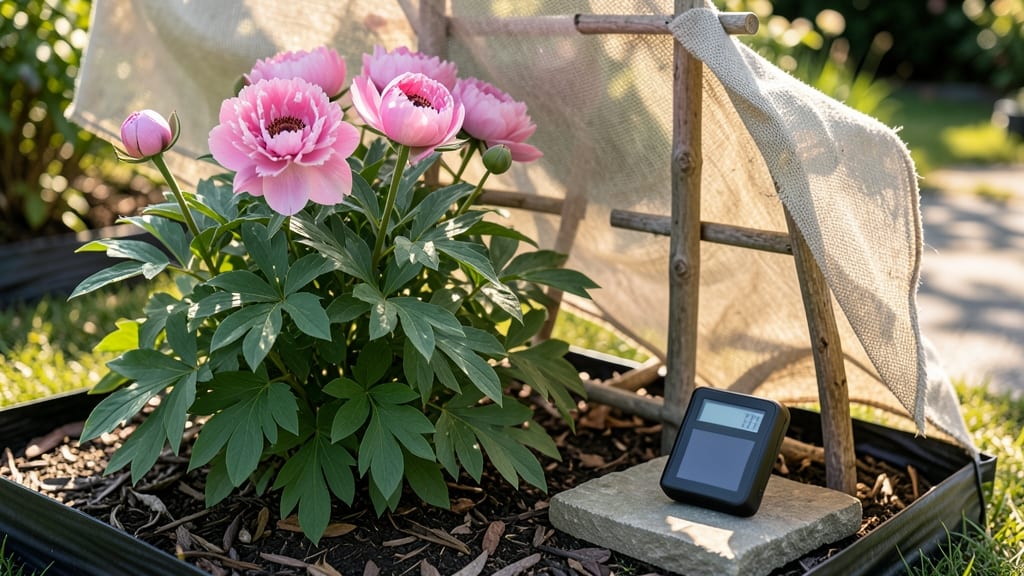
Do peonies like sun or shade—actually, they adore the sun—so aim for at least 6 hours of direct sunlight daily to coax out their iconic blooms and sturdy growth. 🌸
If you’ve ever watched your peonies stretch toward the light with leggy stems or produce fewer flowers than expected, chances are they weren’t getting enough sun. These classic perennials may tolerate partial shade, but their performance—and the sheer number of blooms—depends heavily on sunlight.
In general climates like Zone 6a, morning sun paired with afternoon shade can work, but most gardeners see the biggest, healthiest flowers when peonies bask in full sun. The key is balancing light without overheating the roots, especially in hotter regions.
Below, I’ll break down exactly how much sun peonies need, how to adjust for your climate, and what to watch for if your plants aren’t getting the right light—so you can enjoy stronger blooms and fewer struggles next season.
 Best Window Placement
Peony sunlight requirements: how much light do they need for optimal blooms?
Peonies thrive in full sun, but their exact light needs depend on your climate zone and the specific peony variety you're growing. While they love sunlight, too much scorching afternoon heat can stress their delicate blooms, especially in hot regions.
The key is finding that sweet spot between morning sun and afternoon shade to maximize those lush, fragrant flowers.
Most peonies need at least 5–6 hours of direct sunlight daily, but herbaceous peonies (the most common type) actually prefer 6–8 hours for the best blooming performance. Tree peonies, on the other hand, can tolerate slightly less light, making them a better choice for partial shade gardens in warmer climates.
| Peony Type | Ideal Sunlight | Shade Tolerance | Best For |
|---|---|---|---|
| Herbaceous Peonies | 6–8 hours | Morning sun only | Cool climates, full sun gardens |
| Tree Peonies | 4–6 hours | Partial shade | Hot climates, woodland edges |
| Intersectional Peonies | 5–7 hours | Afternoon shade | Transitional zones, mixed borders |
The morning sun is your peony's best friend because it provides gentle warmth without the intense heat of afternoon rays. If you're in a hot climate zone (like USDA zones 8–10), consider planting peonies where they receive morning sun and afternoon shade.
A nearby tree, fence, or even a strategically placed lattice can provide that protective shade during peak heat hours.
In cooler climates (USDA zones 3–6), peonies can handle full sun all day, but they'll still reward you with more blooms if they get at least 6 hours of direct sunlight.
The key is to avoid late afternoon sun in these regions, as it can cause the blooms to wilt before they fully open.
One common mistake I see is planting peonies in deep shade under large trees. While they can survive with 3–4 hours of filtered light, their blooms will be sparse, and the stems may become leggy and weak.
If you love the look of peonies but have limited sun, opt for tree peonies, which are more shade-tolerant and still produce stunning flowers.
Seasonal adjustments are also crucial. In spring and fall, peonies can handle more direct sunlight as temperatures are milder. However, during summer's peak heat, even full-sun lovers may need a little relief.
Watch for signs like yellowing leaves or drooping buds, which often indicate too much heat stress.
Container-grown peonies have slightly different light needs. Since pots dry out faster and roots can overheat, they thrive with 5–6 hours of morning sun and afternoon shade. If you're growing peonies in containers, choose a light-colored pot to reflect excess heat and use mulch to keep roots cool.
To test if your peonies are getting enough light, observe their foliage and blooms. Healthy peonies have dark green, upright leaves and produce multiple buds per stem. If you notice leggy stems, fewer blooms, or pale leaves, they're likely not getting enough sunlight.
On the flip side, scorched leaves or wilting buds mean they're getting too much harsh afternoon sun.
Pro tip: If your peonies are struggling in their current spot, try gradually acclimating them to more sun over a few weeks. Move them to a sunnier location in early spring before the heat of summer sets in.
This gives their roots time to adjust and reduces the risk of shock.
Remember, peonies are long-lived perennials, so getting their light right now will pay off for years to come. With the perfect balance of sun and shade, your peonies will reward you with bold blooms and fragrant beauty every spring and summer. 🌸
Best light conditions for peonies by climate zone: sun vs. shade guide
Peonies thrive in full sun but adapt beautifully to partial shade depending on your USDA hardiness zone. In hot climates like Zone 8-10, afternoon shade prevents wilting, while cooler zones (4-6) benefit from morning sun to dry dew quickly.
Understanding these nuances ensures your peonies bloom abundantly year after year.
Your location dictates the ideal sunlight balance. Southern gardeners often provide morning sun + afternoon shade, while Pacific Northwest growers may need supplemental light during cloudy winters. Let’s break down the best light strategies for your specific zone to maximize those lush, fragrant blooms.
In USDA Zones 3-5, peonies love full sun exposure to build energy for robust blooms. Plant them in south-facing beds where they’ll receive 6+ hours of sunlight daily.
These cooler climates rarely need shade adjustments, but avoid dense shade, which can lead to leggy stems and fewer flowers.
For Zones 6-7, a mixed approach works best. Provide 5-6 hours of morning sun and allow afternoon shade during summer’s peak heat. This balance prevents heat stress while ensuring enough light for flowering. Try planting near deciduous trees that offer shade when leaves emerge.
Gardeners in Zones 8-10 should prioritize morning sunlight only. The intense afternoon sun in desert climates can scorch peony leaves, so use lattice screens or tall plants to filter light. Mulch heavily to retain moisture and protect roots from intense heat.
Always monitor your peonies for signs of stress. Wilting leaves or yellowing foliage may indicate too much sun, while leggy growth suggests insufficient light. Adjust their placement gradually—peonies adapt well to changes but need time to acclimate.