
Light Requirements
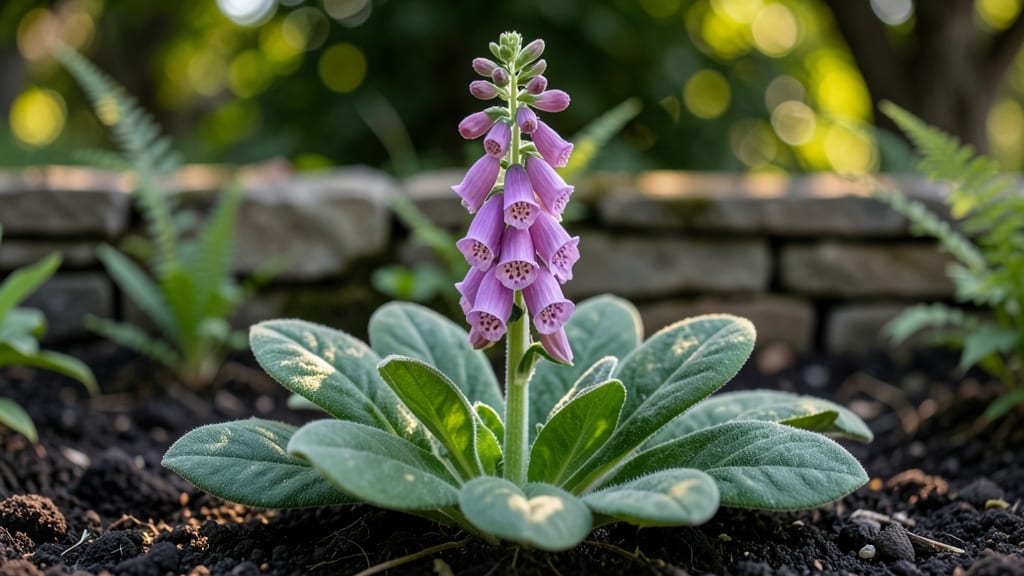
Foxgloves do grow in shade, but their success depends on the right balance of light and care 🌸—this striking plant thrives in partial sunlight with just 2-4 hours of dappled light daily.
If you’ve ever wondered whether your shady garden corner is the perfect spot for foxgloves, you’re in the right place—these striking plants can indeed thrive in partial sunlight with the right care and variety selection.
While they tolerate shade better than full sun, too little light can lead to leggy stems and sparse blooms. The key is choosing shade-tolerant varieties like Digitalis obscura or Digitalis grandiflora, which adapt well to lower light conditions.
Below, I’ll cover the best varieties for shady spots, soil adjustments, and care tips to ensure your foxgloves reach their full 4-6 foot height while producing vibrant blooms from June through August.

Best foxglove varieties for shade and partial sunlight gardens
If you're dreaming of tall, dramatic blooms in your shady garden corners, foxgloves are an excellent choice. While they're often associated with sunny meadows, many varieties thrive in partial shade with just a few hours of filtered light.
The key lies in selecting the right shade-tolerant foxglove species and understanding their unique growth habits.
Foxgloves (Digitalis spp.) naturally adapt to woodland edges and dappled sunlight conditions, making them surprisingly versatile for low-light gardens. The foliage characteristics and bloom time vary dramatically between species, so let's explore the best options for your shady or partially sunny spots.
Here's a comparison of the top shade-tolerant foxglove varieties that will bring height and drama to your garden while adapting beautifully to low-light conditions:
| Variety | Height | Bloom Time | Shade Tolerance | Foliage | Best For |
|---|---|---|---|---|---|
| Digitalis obscura (Yellow Foxglove) | 3-4 ft | Mid to late summer | Excellent (deep shade) | Lance-shaped, mid-green | Woodland gardens, borders |
| Digitalis grandiflora (Giant Foxglove) | 4-6 ft | Early to mid summer | Good (partial shade) | Large, hairy leaves | Back of borders, cottage gardens |
| Digitalis ferruginea (Rusty Foxglove) | 2-3 ft | Late spring | Very good (deep shade) | Rusty-red stems, grey-green leaves | Shady borders, containers |
| Digitalis purpurea 'Pam's Choice' | 3-4 ft | Mid to late summer | Good (partial shade) | Deep purple flowers | Cut flowers, cottage gardens |
| Digitalis lutea (Yellow Foxglove) | 3-5 ft | Mid summer | Excellent (deep shade) | Bright yellow blooms | Wildflower gardens, meadows |
Digitalis obscura stands out as the most shade-tolerant foxglove, thriving even in deep shade conditions where other varieties might struggle. Its bright yellow blooms appear in mid to late summer, providing a cheerful contrast to darker garden corners. The foliage characteristics include lance-shaped leaves that remain attractive even when not in bloom.
For those seeking taller varieties that still adapt well to shade, Digitalis grandiflora reaches impressive heights of 4-6 feet while tolerating partial sunlight. This makes it ideal for the back of borders where you want to create vertical interest without sacrificing shade tolerance.
The bloom time occurs earlier in the season compared to other varieties.
If you're looking for something more compact yet shade-hardy, Digitalis ferruginea offers rusty-red stems and grey-green foliage that add textural interest to shady spots. This variety blooms in late spring, providing early color when many other plants are still dormant.
The foliage characteristics make it particularly attractive even when not in flower.
When selecting foxgloves for partial sunlight, consider the mature size of each variety to ensure proper spacing. While all these varieties tolerate shade, they'll generally produce more robust growth with 2-4 hours of dappled sunlight per day.
This means positioning them where they'll receive morning sun and afternoon shade works best.
The bloom time varies significantly between varieties, allowing you to create a sequential flowering display in your shade garden. For example, planting Digitalis ferruginea alongside Digitalis grandiflora will give you color from late spring through mid-summer. This extended bloom period ensures your garden remains vibrant even in low-light conditions.
Remember that while these varieties tolerate shade, they still require
How to grow foxgloves successfully in shady areas: soil, water, and care tips
Foxgloves (Digitalis spp.) are stunning additions to any garden, especially in shady spots where many plants struggle. With 2-4 hours of dappled sunlight daily, these tall biennial or perennial beauties can thrive, producing their iconic bell-shaped blooms.
The key lies in understanding their soil needs and watering habits, which differ slightly from sun-loving varieties.
Unlike their sun-seeking cousins, shade-loving foxgloves prefer moist, well-draining soil that retains humidity without becoming waterlogged. Amending your garden soil with compost or peat moss can create the ideal environment, while mulching helps maintain consistent moisture levels.
This balance is crucial—too much shade or poor drainage can lead to leggy growth or disease.
⚠️ WARNING: Shade vs. Deep Shade Foxgloves do grow in shade, but they won’t thrive in deep, dense shade (like under thick tree canopies). Aim for partial shade with filtered light—this mimics their natural woodland habitats.
If your spot gets less than 2 hours of sunlight, consider reflective surfaces (like white walls or gravel) to bounce extra light onto the plants. Overly dark conditions will result in fewer blooms and weaker stems.
When it comes to watering foxgloves in shade, consistency is key. These plants prefer moist but not soggy soil, so water deeply once a week during dry spells, adjusting for your climate.
In humid climates, you may need to water less frequently, while dry shade (like under eaves) requires more attention. Always water at the base of the plant to avoid wetting the foliage, which can promote fungal issues.
Seasonal care plays a vital role in keeping your shade-grown foxgloves healthy. In spring and fall, focus on light fertilization with a balanced 10-10-10 mix to encourage strong root development. Avoid heavy feeding during summer, as this can lead to excessive foliage growth at the expense of blooms.
Deadhead spent flowers regularly to redirect energy into new growth and prevent self-seeding where you don’t want it.
For long-term success, plant foxgloves in clumps of 3-5 rather than isolated stems. This mimics their natural growth patterns and creates a more dramatic display. Pair them with shade-tolerant companions like hostas, ferns, or astilbes to fill in the garden bed while providing mutual support.
Avoid planting near competitive perennials that may steal nutrients or sunlight.
With the right soil prep, watering routine, and light exposure, your foxgloves will reward you with tall, striking spikes of flowers year after year. Even in shady corners, these plants can become the star of your garden—just give them the care they crave! 🌿