
Plants
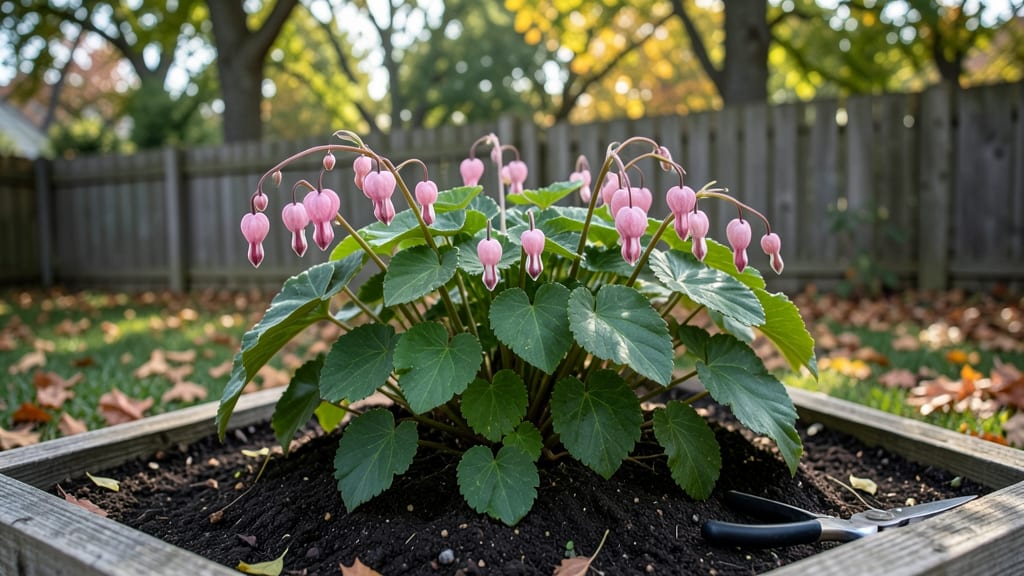
Do bleeding hearts like shade—or do they secretly crave a little more light to keep those delicate blooms thriving? 💔 If your spring plantings are struggling with weak stems or fading flowers, you might be giving it too much sun.
These delicate perennials thrive in partial shade, where they get just a few hours of morning light but stay cool through the heat of the day. Too much direct sun? Watch for crispy edges or leggy growth—signs your bleeding heart is begging for relief.
Below, I’ll break down the ideal light balance, how to spot over-exposure, and even how to pair them with other shade-loving plants for a low-maintenance garden corner. No more guesswork—just blooms that last.
Ready to transform your garden? Let’s dive into the secrets of keeping your bleeding hearts happy in the shade.
 Best Window Placement
How much shade do bleeding hearts need for optimal growth?
Bleeding hearts (Dicentra spectabilis) thrive in partial shade, but finding the right balance is key to their stunning, heart-shaped blooms. These plants prefer 2-4 hours of morning sun paired with afternoon shade, mimicking their native woodland understory. Too much direct sunlight causes leaf scorch and weak growth, while too little light results in sparse foliage and fewer flowers. Let’s break down the ideal light conditions to keep your bleeding hearts flourishing for years.
Understanding the photosynthesis efficiency of bleeding hearts explains why partial shade works best. Their leaves are adapted to low-light conditions, but they still need some sunlight to produce energy.
Morning sun provides just enough light for photosynthesis without overheating the plant, while afternoon shade protects delicate foliage from intense UV rays. This balance ensures longer bloom times and healthier stems.
The perfect light environment for bleeding hearts can be visualized in this summary table, tailored to different USDA zones and microclimates:
| Light Condition | USDA Zones 3-5 | USDA Zones 6-8 | USDA Zones 9 |
|---|---|---|---|
| Morning Sun (6 AM - 10 AM) | 3-4 hours | 2-3 hours | 1-2 hours (avoid heat stress) |
| Afternoon Shade (10 AM - 4 PM) | Full shade (filter direct sun) | Partial shade (dappled light) | Full shade (essential) |
| Evening Sun (4 PM - Sunset) | 1-2 hours (gentle light) | 1 hour (if no heat stress) | Avoid (intense heat) |
| Signs of Over-Exposure | Brown leaf edges | Wilting, yellowing | Leaf scorch, stunted growth |
In USDA zones 3-5, bleeding hearts can handle slightly more morning sun because cooler temperatures reduce heat stress. However, even in these zones, afternoon shade is crucial to prevent leaf scorch and wilting.
If you notice brown edges on leaves or drooping stems, your plants are getting too much direct sunlight. Move them to a shadier spot immediately to prevent permanent damage.
For USDA zones 6-8, the ideal setup is dappled sunlight from nearby trees or a north-facing wall. This creates a natural filter for harsh afternoon rays while still allowing enough light for photosynthesis.
If you’re planting in a garden bed, position bleeding hearts where they’ll receive morning sun but stay protected by taller plants or structures in the afternoon.
In USDA zone 9 and warmer climates, bleeding hearts need more shade to avoid heat stress. Even morning sun can be too intense, so aim for 1-2 hours of filtered light under a tree canopy or near a lattice screen.
If you’re growing them in containers, place them in a spot where they’ll receive indirect light all day. Overheated roots and foliage can lead to stunted growth and fewer blooms.
One common misconception is that bleeding hearts can thrive in full shade. While they tolerate low-light conditions, they won’t produce as many flowers or grow as vigorously.
If your plants are in full shade and looking leggy or sparse, consider moving them to a sunnier spot with filtered light. A simple test: If you can read a book comfortably under their location, they’re likely getting too much shade.
To adjust your bleeding hearts’ light exposure, start by observing their current location. If leaves are pale or stretched, they need more light. If they’re crispy or brown, they need more shade. Gradually move them to a new spot over a week to avoid shocking the plant.
Mulching around the base with organic matter can also help regulate soil temperature and moisture, further supporting their growth in less-than-ideal light conditions.
Pairing bleeding hearts with companion plants like ferns, hostas, or astilbes can create a natural shade environment. These plants thrive in similar conditions and provide additional protection from harsh sunlight.
For example, planting bleeding hearts under a Japanese maple or near a hydrangea bush ensures they get dappled light while adding beauty to your shade garden.
With the right light balance, your bleeding hearts will reward you with weeks of lush blooms and healthy foliage. Experiment with their placement, monitor their response, and adjust as needed. Soon, you’ll have a thriving shade garden that’s the envy of the neighborhood! 🌿
Best partial sun strategies to extend bleeding heart blooms
Bleeding hearts (Dicentra spectabilis) adore dappled sunlight—think of morning rays filtered through tree leaves or afternoon shade from a north-facing wall. This partial sun environment prevents leaf scorch while fueling those iconic heart-shaped blooms.
The key? Mimicking their natural woodland habitat where light dances across the forest floor.
Your goal is 2-4 hours of direct sun daily, but timing matters. East-facing beds get gentle morning light, while west-facing spots need afternoon shade protection. I’ve found that seasonal adjustments are crucial—summer’s intense rays demand more shade than spring’s milder light.
| Shade Solution | Light Control | Pros | Cons |
|---|---|---|---|
| Mature Tree Canopy | Natural dappling | Free, organic, improves soil | Limited placement options |
| Sheer Fabric Curtains | Adjustable opacity | Flexible, removable, budget-friendly | Requires maintenance, less permanent |
| Lattice Screens | Structural filtering | Durable, doubles as trellis | Less flexible than fabric |
| Fence with Climbing Ivy | Living shade | Eco-friendly, improves air quality | Slow to establish, needs pruning |
For urban gardens, I recommend sheer fabric curtains on south-facing windows or lattice screens near patios. These create customizable shade that you can adjust seasonally. In rural areas, understory plantings like ferns or hostas naturally filter light while adding texture to your shade garden.
Don’t overlook seasonal shade shifts. In summer, move potted bleeding hearts to east-facing spots or add temporary shade cloth (30-50% block). In winter, they’ll tolerate more direct light as days shorten. I’ve seen blooms extend from 4 weeks to nearly 8 weeks with these adjustments!
Pro tip: Pair bleeding hearts with tall ferns or Japanese forest grass—these companions thrive in the same conditions while adding vertical interest. The mulch layer (3-4 inches) also helps regulate soil temperature and retain moisture for those partial sun roots.
Remember, bleeding hearts hate hot roots. Always keep the soil cool and moist—this is where organic mulch (like shredded bark) becomes your best friend. With the right shade strategy, your plants will reward you with vibrant blooms year after year. 🌿