
Watering
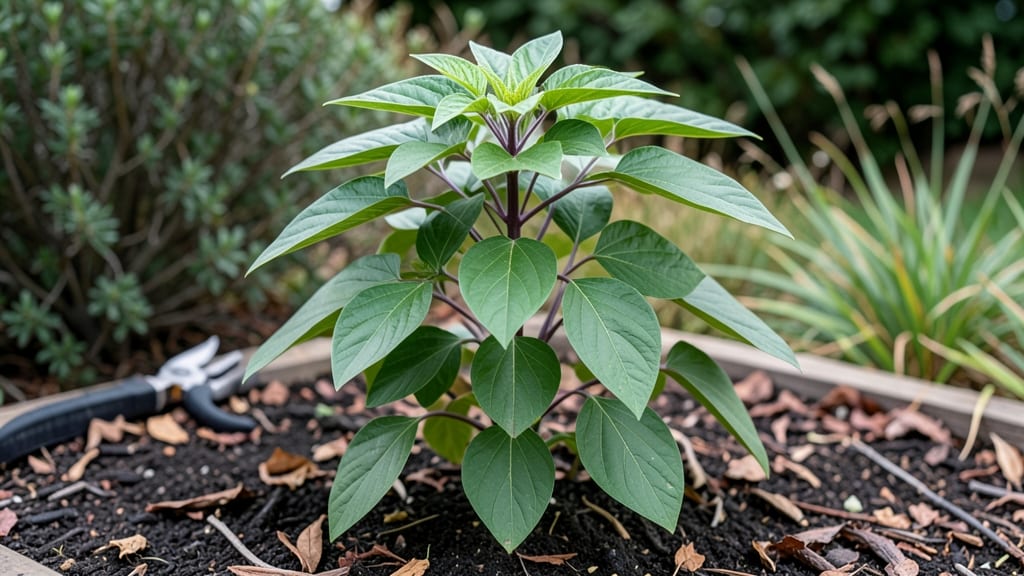
That tiny seedling could be deadly nightshade—and you need to know before it’s too late. ✨ This poisonous lookalike sneaks into gardens disguised as harmless seedlings, but one wrong bite sends someone to the ER.
The key to keeping your family safe starts with recognizing the subtle differences between it and your tomatoes or peppers.
Deadly nightshade (Atropa belladonna) shares the same family as your dinner plate favorites, but its bell-shaped purple flowers and glossy black berries are dead giveaways. Even brushing against the leaves can cause skin irritation, while ingesting just a few berries triggers hallucinations, seizures, or worse.
The symptoms—dry mouth, dilated pupils, and confusion—can mimic food poisoning, so don’t wait for a diagnosis.
If you’ve accidentally grown it, never compost it—burn or bury it deep in sealed trash bags instead. Most regions ban cultivation, so check local laws before tossing seeds. For accidental exposure, call Poison Control immediately—time is critical.
A few minutes of caution now could save a life, and your garden’s safety starts with knowing what’s lurking in those seed flats.
Prevention is simple: avoid seeds from sketchy sources, and when in doubt, snap a photo and text it to a local extension office. Better safe than sorry—especially when the stakes are this high. Your garden should bring joy, not emergencies, and this is how you keep it that way.
📚 In This Guide
- What you need
- Instructions
- Tips and common mistakes
- Wrapping up and next steps
What you need
- ● Nitrile or latex gloves (2+ pairs) – Thick, chemical-resistant gloves (minimum 14-gauge) to prevent skin contact.
- ● Safety goggles (1 pair) – Protects eyes from accidental sap exposure or debris.
- ● Long-sleeved shirt and pants – Cover all skin to minimize exposure risks.
- ○ Respirator mask (N95 or better) – Optional but recommended if handling large quantities or disturbed soil.
- ● Trowel or small shovel (1) – For careful removal of seedlings without breaking stems.
- ● Pruning shears (1 pair) – Sharp, sterilized shears for clean cuts.
- ● Heavy-duty trash bags (2–3) – For immediate disposal of seedlings and contaminated tools.
- ● Spray bottle with water (1) – To rinse tools and gloves between uses.
- ● Disposable coveralls – For heavy-duty cleanup or repeated handling.
- ● First-aid kit – Include activated charcoal (for ingestion exposure) and burn gel.
- ● Digital scale – If weighing seeds for research (accuracy: 0.1g).
- ● Notebook & pen – To log seedling locations, sizes, or growth stages.
Instructions for safely handling deadly nightshade seedlings
Here's how to manage these toxic plants while keeping yourself and your garden secure.
🧤 Step 1: Wear Full Protective Gear
Always wear nitrile gloves (not latex—they degrade with exposure) when handling seedlings, soil, or any plant material. I also recommend a long-sleeved shirt and safety goggles to prevent accidental contact with skin or eyes. Deadly nightshade contains atropine and scopolamine, which can be absorbed through broken skin or inhaled as fine soil particles.
Wash your hands thoroughly with soap and warm water for at least 30 seconds after any contact. Keep a separate towel for drying hands that hasn't been used elsewhere in the house. I like to keep a small bottle of rubbing alcohol handy for quick disinfection between tasks—it's especially useful if you touch your face or eyes while working.
✂️ Step 2: Work in a Designated Containment Area
Set up your workspace outdoors or in a well-ventilated area with a plastic ground cover or large tray underneath. This prevents soil or plant debris from spreading to other areas. I use a 6-foot by 4-foot plastic tarp secured with rocks to contain any accidental spills or dropped seeds.
Never work with these plants near food preparation areas, children's play spaces, or pet areas. Place a sign warning of toxic plants at the entrance to your workspace. If you're growing in containers, keep them in a locked shed or greenhouse when not in use—curious pets or children might investigate the plants otherwise.
🪴 Step 3: Use Disposable or Designated Tools
Dedicate one set of tools exclusively for handling deadly nightshade seedlings—this includes trowels, pruners, and watering cans. Mark them clearly with a permanent marker or paint so they're never mixed up with other gardening tools. I keep my nightshade tools in a separate bucket with a lid to prevent accidental reuse.
Disposable tools like plastic trowels or single-use gloves are ideal for tasks like seed sowing or transplanting. After use, dispose of them in a sealed trash bag and wash your hands again. Never compost plant material from deadly nightshade—burn it instead or dispose of it in a sealed container with household waste.
💧 Step 4: Monitor and Control Growth Conditions
Deadly nightshade thrives in partial shade to full sun with well-draining soil. However, since these plants are toxic, I recommend growing them in contained pots with drainage holes rather than in garden beds. This prevents accidental spread through roots or seeds.
Water seedlings carefully—overwatering can lead to fungal issues, while underwatering stresses the plant and may cause it to release more toxins. You'll know the soil is properly moist when the top inch feels damp but not soggy. Always water at the base of the plant to avoid splashing soil onto your skin or clothing.
⏰ Step 5: Dispose of Plants and Waste Safely
When it's time to remove or dispose of deadly nightshade plants, wear your protective gear and use a sealed trash bag. Cut the plants into smaller pieces to reduce volume, then double-bag them. I like to place the bagged waste in a second sealed container to prevent any accidental leaks or spills during transport.
Never leave dead plant material lying around—animals or children might investigate it. Burn the waste if possible, or take it to a local hazardous waste facility if burning isn't an option. After disposal, thoroughly clean your workspace, tools, and any containers with soap and water to remove any residual toxins.
Tips & tricks for handling deadly nightshade seedlings safely
Working with these toxic plants requires extra caution—here's how to handle them without risking contamination or exposure.
Enhanced Protection Protocol: In Step 1, when wearing nitrile gloves, I recommend adding a disposable face mask if you're working with dried plant material or soil that might contain fine particles. The mask prevents accidental inhalation of toxins like atropine and scopolamine, which can be particularly dangerous when airborne. I also keep a pair of nitrile gloves inside my work gloves as a backup—if the outer pair gets punctured, you can quickly switch without exposing your skin.
Containment Area Upgrades: For Step 2, consider adding a small fan to your containment workspace to create positive airflow away from you. This helps prevent any accidental drift of fine soil particles toward your face or clothing. I've also found that placing a damp towel at the workspace entrance helps trap stray particles when entering or exiting the area—simply step on it before moving away to pick up any loose debris.
Tool Organization System: In Step 3, when dedicating tools exclusively to deadly nightshade, I use color-coded labels and store them in a separate locked toolbox with a "Toxic Plant Tools" warning sign. This prevents accidental mixing with regular gardening equipment. I also keep a small spray bottle of rubbing alcohol in the toolbox for quick surface disinfection of tools before and after use—this adds an extra layer of protection against residual toxins.
Disposal Strategy: For Step 5, when disposing of plants, I recommend cutting them into smaller pieces first to reduce volume, then placing them in a sealed plastic bag with a few drops of bleach solution (1 part bleach to 10 parts water). This helps neutralize any remaining toxins before disposal. Always wear your protective gear when handling these bags, and double-bag them before placing in your trash container.
Pro Tips for Deadly Nightshade Seedling
- Working with these toxic plants requires extra caution—here's how to handle them without risking contamination or exposure.
- Enhanced Protection Protocol: In Step 1, when wearing nitrile gloves, I recommend adding a disposable face mask if you're working with dried plant material or soil that might contain fine particles.
- Containment Area Upgrades: For Step 2, consider adding a small fan to your containment workspace to create positive airflow away from you.
Frequently asked questions
Got questions about deadly nightshade seedlings? You’re not alone—this plant can be tricky! Here are some of the most common concerns gardeners and curious plant lovers ask, along with clear, actionable answers to keep you safe and informed.
How do I identify deadly nightshade seedlings before they grow?
Deadly nightshade (Atropa belladonna) seedlings resemble other nightshades like tomatoes or eggplants but have smooth, oval leaves with a slight glossy sheen and purple-tinged stems. Look for tiny bell-shaped flowers (white or purple) or black, shiny berries on mature plants. If in doubt, wear gloves and avoid touching—even sap can irritate skin!
How long does it take for deadly nightshade seedlings to become dangerous?
Seedlings can sprout within 10–14 days under ideal conditions (warm soil, moisture). However, they won’t produce toxic berries until late summer or fall (after ~6 months). The leaves and stems are toxic at all stages, so remove seedlings immediately if identified. Never compost them—double-bag and dispose in household trash.
What should I do if I accidentally ingest part of a deadly nightshade seedling?
If ingestion occurs, call Poison Control (1-800-222-1222 in the U.S.) immediately. Symptoms like dizziness, dilated pupils, or rapid heartbeat can appear within hours. Do NOT induce vomiting unless instructed by a professional. Keep children and pets away from the area—even touching contaminated hands to the face or mouth can cause issues.
Are there safe alternatives to deadly nightshade for ornamental gardens?
Swap deadly nightshade for non-toxic lookalikes like:
- Black nightshade (Solanum nigrum) – Edible berries (cooked only) and pretty foliage.
- Chinese lantern (Physalis alkekengi) – Bright orange papery fruits, non-toxic.
- Petunias or snapdragons – Safe, colorful, and low-maintenance.
Why do deadly nightshade seedlings keep reappearing in my garden?
This plant spreads via seeds (in berries) and underground runners. To stop regrowth:
- Inspect soil for missed berries—remove all traces.
- Mulch heavily to block new sprouts (cardboard + rocks work).
- Test soil pH—deadly nightshade thrives in acidic (pH 6.0–7.0) conditions.
Wrapping up and next steps
Deadly nightshade seedlings may seem fascinating, but their high toxicity demands respect and caution. By recognizing their key identifiers—like glossy leaves and bell-shaped flowers—and following strict safety protocols, you can protect your garden and family. Never handle them without gloves or ingest any part of the plant.
Stay vigilant, educate others, and act fast if exposed. Your awareness could save a life—keep gardening smart and safe! 🌱🚨
💡 Next Step:
Share this guide with fellow gardeners or local horticulture groups to spread awareness. Prevention starts with knowledge!