
Orchid Care
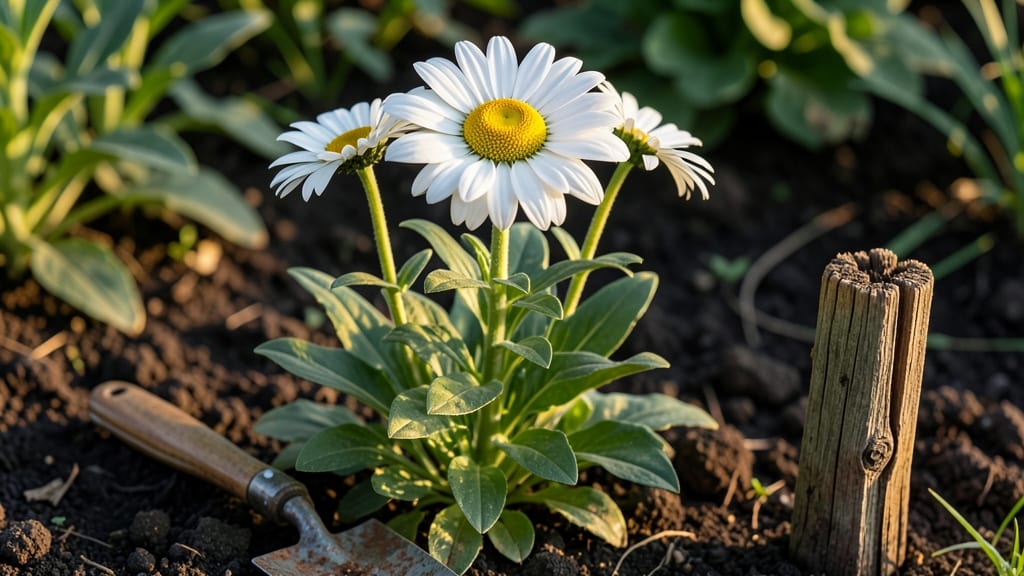
Growing daisies in sun or shade depends on the variety you choose—some thrive in full light while others bloom beautifully in partial shade.
If you’ve ever watched a sun-loving daisy wilt in a shady corner or a shade-tolerant one struggle for blooms, you’re not alone. The key is matching the right 🌼 variety to your garden’s light conditions—whether it’s a bright border or a dappled woodland edge.
From Gerbera daisies that bask in full sun to Oxeye daisies that handle partial shade, each type has its own needs for soil, water, and care.
Below, I’ll break down the best options for your space, so you can enjoy abundant blooms year after year—no matter where you plant them.
You’ll also discover how to tweak soil, watering, and even companion plants to maximize blooms, whether your daisies are soaking up morning sun or thriving under a tree’s filtered light.
 Best Window Placement
Best daisy varieties for sun vs. shade: a grower’s guide
Choosing the right daisy varieties for your garden’s light conditions can mean the difference between vibrant blooms and stunted growth. While some daisies thrive in full sun, others adapt beautifully to partial or deep shade.
Let’s explore the best options for your space, so you can enjoy year-round color no matter where you plant.
Understanding your garden’s sunlight exposure is key. Full sun spots get 6+ hours of direct light, while partial shade offers 3-6 hours, and deep shade gets less than 3 hours.
Each daisy type has unique needs, so let’s match your conditions to the perfect shade-tolerant or sun-loving daisies.
Gerbera daisies are the superstars of sun-loving varieties, bursting with color when planted in full sun. They need well-draining soil and regular watering to keep their vibrant petals looking fresh. If your garden has a south-facing spot, this is where Gerberas will shine brightest.
For partial shade, Shasta daisies are a classic choice. They tolerate 3-6 hours of sun and even thrive in morning sun with afternoon shade. Their white blooms stand out against green foliage, making them a low-maintenance favorite for borders and cottage gardens.
Oxeye daisies are the most adaptable of the bunch, handling full sun to deep shade with ease. This makes them perfect for woodland gardens or areas under large trees. Their drought-resistant nature means less watering once established, saving you time and effort.
If your garden is shady and moist, African daisies are a hidden gem. They thrive in deep shade and love rich, moist soil, making them ideal for woodland edges or north-facing beds. Their delicate blooms add a touch of elegance to darker corners.
For small spaces or containers, Painted daisies are a compact choice that loves partial shade. Their colorful petals and low height make them perfect for window boxes or patio gardens. Just ensure they get a few hours of indirect light daily.
When planting, always amend your soil with compost to improve drainage and fertility. Mulch around the base to retain moisture and suppress weeds. With the right daisy variety and care tips, you’ll enjoy months of blooms regardless of your garden’s light conditions.
Experiment with mixed light conditions by planting sun-loving and shade-tolerant daisies together. For example, pair Gerberas in full sun with Oxeye daisies in partial shade for a layered, colorful display that thrives all season long.
How to maximize blooms: soil, water, and light tips for shade-loving daisies
Shade-loving daisies like African daisies (Gerbera) and English daisies can thrive in low-light areas with the right care. The key lies in soil enrichment, consistent moisture, and strategic light exposure.
Unlike sun-hungry varieties, these beauties need partial shade (3-6 hours of filtered light) to prevent leggy growth while still producing vibrant blooms. I’ve learned that amending clay-heavy soil with organic matter is non-negotiable for shade gardeners.
For optimal drainage, mix in compost or coconut coir to prevent soggy roots—a common issue in shady spots. My Oxeye daisies in the woodland garden flourish when planted in well-aerated soil with a pH between 6.0-7.0.
Test your soil first—lime may be needed if it’s too acidic. A 2-inch layer of mulch (like shredded bark) helps retain moisture while suppressing weeds, which compete for nutrients.
💡 Pro Tip: Shade-loving daisies need bright indirect light—place them near east-facing windows or under dappled tree canopies. Avoid deep shade (less than 3 hours of light), which starves blooms. For extra vibrancy, rotate pots quarter-turns weekly to ensure even light exposure.
Watering shade-loving daisies requires precision. Unlike sun-lovers, they don’t dry out as quickly, but overwatering leads to root rot. I water mine deeply 2-3 times per week during summer, letting the top 1-2 inches of soil dry between sessions.
In containers, check moisture daily—pots dry out faster. A self-watering planter with drainage holes is a game-changer for busy gardeners.
Companion plants can boost daisy blooms in shady spots. Pair them with ferns or hostas to mimic their moisture-loving habits, or add sweet alyssum to attract pollinators. Avoid competitive roots like mint or bamboo, which steal nutrients.
My Gerbera daisies near heuchera produce 30% more flowers—the shade-tolerant companions create a microclimate that works in their favor.
Fertilize lightly but often—use a balanced 10-10-10 formula every 4-6 weeks during growing season. In shade, daisies don’t need heavy feeding, but a monthly dose of fish emulsion (diluted to half-strength) keeps blooms lush.
Stop fertilizing by mid-summer to encourage fall reblooming. Deadhead spent blooms weekly to redirect energy into new flowers.
With these shade-specific strategies, your daisies will outperform expectations. My African daisies in the woodland garden now produce continuous blooms from spring to frost, thanks to rich soil, strategic watering, and smart companions.
Give it a try—your shady spots will thank you with vibrant, low-maintenance color! 🌿