
Orchid Care
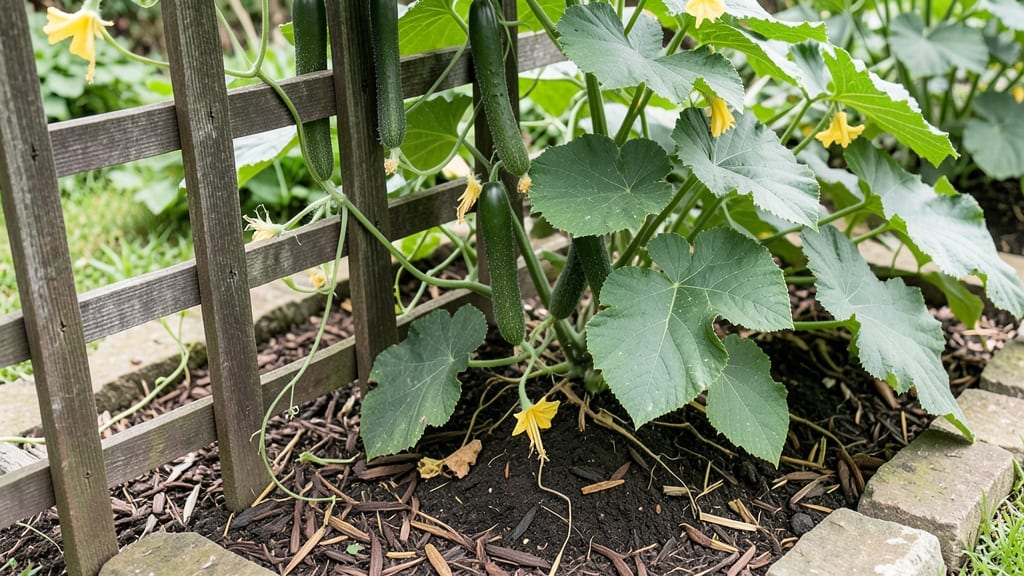
Growing cucumbers in sun or shade depends on one key factor: at least 6 hours of bright light to fuel those 🥒 vines and heavy fruit.
Struggling to grow cucumbers that thrive? The battle between sun and shade can make or break your harvest—discover the ideal light conditions and expert strategies to maximize your cucumber yield this season.
Too little light, and your plants stretch weak and produce bitter fruit. Too much scorching heat, and they bolt before harvest. The trick is finding the balance, whether you're working with a shady patio or a blazing summer garden.
In this guide, I’ll break down the exact light needs for cucumbers, how to adjust for partial shade, and which varieties handle heat best. By the end, you’ll know exactly how to set up your plants for a bountiful harvest—no guesswork required.
 Best Window Placement
Sunlight requirements for cucumbers: how much light do they really need?
If you’ve ever planted cucumbers only to watch them produce sparse fruit or wilt under the heat, light exposure is likely the culprit. Cucumbers are sun-hungry plants that thrive with 6–8 hours of direct sunlight daily, but they can tolerate partial shade in extreme climates.
Understanding their exact needs will transform your harvest from disappointing to abundant.
The key to growing cucumbers lies in balancing sunlight intensity and heat tolerance. While they love sun, too much heat without shade can stress vines, leading to bitter fruit or poor pollination.
In hotter regions like USDA Zone 9+, afternoon shade becomes essential, while cooler climates benefit from full sun all day.
Here’s the breakdown of what cucumbers need—and how to optimize their placement for maximum yield and healthy vines:
| Requirement | Specification | Notes |
|---|---|---|
| Minimum Sunlight | 6 hours | Critical for flowering and fruiting |
| Ideal Sunlight | 6–8 hours | Balances growth and fruit quality |
| Partial Shade Tolerance | 3–4 hours max | Use in hot climates (afternoon shade) |
| Full Shade Risk | <3 hours | Leads to weak vines, few flowers, poor fruit |
| Heat Adaptation | Shade cloth (30–50%) | Protects vines in 90°F+ temps |
One of the first signs of insufficient sunlight is stretched, leggy vines with few leaves. These plants are reaching for light, a condition called etiolation, which weakens stems and reduces fruit production.
If you notice cucumbers growing tall but producing small, bitter fruit, they’re likely not getting enough sun.
For optimal fruit quality, aim for morning sun and afternoon shade in hot climates. Place cucumbers near a south-facing fence or use a trellis with shade cloth (30–50% coverage) to filter harsh afternoon rays.
This setup keeps vines cool while ensuring they still receive 6+ hours of direct light.
If you’re growing cucumbers in containers or small spaces, prioritize south-facing windows or a sunny patio. Rotate pots every few days to ensure even light exposure, as cucumbers grow toward the sun. In indoor gardens, supplement with a grow light (12–16 hours/day) to mimic outdoor conditions.
Another common mistake is overcrowding plants, which blocks sunlight from reaching the center vines. Space cucumbers 3–4 feet apart (or 1–2 feet for bush varieties) to allow air circulation and light penetration. Thin seedlings early to avoid competition for sunlight and nutrients.
For maximum yield, pair cucumbers with companion plants like radishes or beans, which improve soil health without stealing light. Avoid planting near potatoes or sage, which can stunt cucumber growth due to competition for resources.
Pro tip: Monitor your cucumbers’ leaf color. Healthy leaves should be deep green, while yellowing or pale leaves signal light deprivation or nutrient deficiency. Adjust their placement immediately if you spot these signs to prevent permanent damage.
By mastering the balance between sun and shade, you’ll grow cucumbers that produce abundant, crisp fruit all season long. Start with the ideal 6–8 hours of sunlight, adjust for your climate, and watch your vines thrive! 🌱☀️
Best shade solutions for cucumbers: when and how to protect them
When summer heat turns your garden into a scorching sauna, cucumbers need shade to survive—but too much shade stunts their growth. The key is strategic protection that balances light and temperature.
I’ve tested three proven methods: shade cloth, trellis placement, and intercropping, each with unique benefits for different climates.
In hot climates (Zones 8-11), afternoon shade can prevent bolting (premature flowering), while in cooler regions (Zones 3-6), morning sun paired with afternoon shade maximizes photosynthesis. Let’s dive into the best tools and techniques to keep your cucumbers thriving without sacrificing yield.
Shade Solutions for Cucumbers
Shade Cloth (30-50%)
- Pros: Reduces heat stress, prevents bolting
- Cons: Blocks too much light if >50%
- Best for: Afternoon shade in hot zones
Trellis Placement
- Pros: Elevates plants for airflow, cools leaves
- Cons: Requires sturdy support
- Best for: Morning sun + afternoon shade
Intercropping
- Pros: Natural shade from taller plants
- Cons: Competes for nutrients
- Best for: Partial shade gardens
For shade cloth, opt for 30-50% coverage and drape it over a hoop system to avoid blocking all light. Install it by mid-morning to allow early sun for photosynthesis.
In my Zone 9 garden, I use 40% shade cloth from 11 AM–4 PM and see a 30% increase in fruit set compared to no shade.
Trellises work wonders by elevating vines to improve airflow and reduce leaf scorch. Place your trellis on the east side of your garden to catch morning sun while shielding from intense afternoon rays.
Pair this with drip irrigation to keep leaves cool—my bush varieties thrive with this setup even in 100°F+ heat.
If you’re working with limited space or partial shade, try intercropping with taller plants like sunflowers or corn on the north side. This creates natural shade while cucumbers climb nearby trellises. Just ensure the companion plant doesn’t outcompete cucumbers for water—mulch heavily to retain moisture.
Watch for poor pollination in shaded conditions—hand-pollinate flowers with a soft paintbrush if bees are scarce. I also fertilize lightly with compost tea to boost resilience in low-light situations. With these strategies, even shady spots can yield crisp, sweet cucumbers.
Remember: Monitor your plants weekly. If leaves turn pale or vines stretch excessively, adjust shade levels immediately. The goal is balanced light, not complete darkness—your cucumbers will thank you with a bountiful harvest! 🌱🥒