
Shrubs
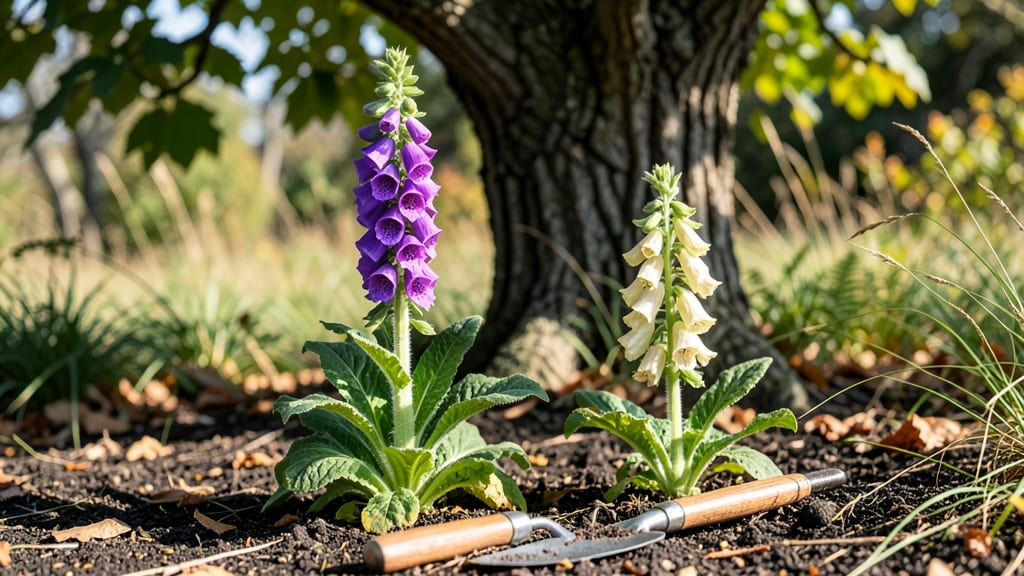
Foxglove thrives in partial shade, but the right variety and care can make it shine—even in full sun or deep shadows. 🌿 I’ve grown foxglove in both my dappled woodland garden and a sunny border, and the key is matching the plant to its light.
Some varieties practically beg for shade, while others handle sun like champions (with a little extra TLC).
The secret lies in soil moisture and leaf color. Shade-loving foxglove stays lush and vibrant, while sun-tolerant types develop deeper hues and sturdier stems—but only if their roots stay cool.
Too much direct sun without proper watering, and you’ll end up with crispy, sad spikes. The right spot keeps them thriving for years with minimal fuss.
You’ll see foxglove reaching its full height—often 4 to 6 feet tall—with clusters of bell-shaped flowers that attract hummingbirds and bees. In partial shade, blooms last longer, and the foliage stays rich green.
Even in full sun, the right variety (like ‘Excelsior’ or ‘Giant Candles’) will reward you with bold, showstopping displays.
Whether you’re tucked under trees or basking in filtered light, foxglove adapts beautifully. Just remember: moisture is everything. Mulch heavily in hotter climates, and watch your garden transform into a vertical waterfall of color—without the high-maintenance drama.
📚 In This Guide
- What you need
- Instructions
- Tips and common mistakes
- Wrapping up and next steps
What you need
- ● Foxglove plants – Choose between Digitalis purpurea (classic tall varieties) or shade-tolerant hybrids like Digitalis grandiflora. Buy 3–5 plants for a full, lush look.
- ● Well-draining potting mix or garden soil – 5–10 gallons (or enough to fill your planting area). Amend with compost for nutrients.
- ● Organic mulch – 2–3 inches of shredded bark or straw to retain moisture and suppress weeds.
- ● Slow-release fertilizer – 10–20–10 NPK ratio (1 tbsp per plant) for balanced growth.
- ● Watering can or hose with a gentle spray nozzle – Foxgloves love consistent moisture but hate soggy roots!
- ● Garden trowel or transplanting spade – For digging holes 12–18 inches deep and wide.
- ● Gloves – Protect your hands (foxglove leaves can be prickly!).
- ● Pruners or shears – For trimming dead blooms or overgrown foliage.
- ● Measuring tape or ruler – To space plants 12–18 inches apart (closer for shade, wider for sun).
- ● Stakes or pebbles – Tall foxgloves may need support in windy areas.
- ● Liquid seaweed fertilizer – Boosts resilience, especially in hot sun.
- ● Shade cloth (30–50%) – If your sun spot gets too intense midday.
- ● Companion plants – Pair with hostas (shade) or lavender (sun) for a cohesive garden.
How to select and grow foxglove in sun or shade
Foxglove thrives in unexpected places—here’s how to choose the right variety and create ideal conditions for those dramatic blooms.
🌿 Step 1: Choose the Right Foxglove Variety for Your Light
Not all foxgloves are created equal when it comes to light. For deep shade (less than 4 hours of sun daily), opt for foxglove varieties like 'Green Heath' or 'Excelsior'—they tolerate low light better than others. These varieties develop darker foliage and still produce striking bell-shaped blooms in pinks, purples, and whites.
If your garden gets partial shade (4-6 hours of sun), 'Boughton Monkshood' or 'Wedding Bells' shine here. These varieties grow taller (4-5 feet) and produce larger flowers when they receive morning sun and afternoon shade. Avoid placing them in full sun unless your climate is cool and moist—otherwise, they’ll bolt prematurely.
☀️ Step 2: Prepare the Soil for Optimal Growth
Foxglove prefers well-draining, slightly acidic soil (pH 6.0-7.0). Before planting, amend your soil with 2-3 inches of compost to improve fertility and moisture retention. I like to mix in a handful of bone meal (about 1/4 cup per plant) for phosphorus, which encourages strong root and flower development.
Test your soil’s drainage by pressing a handful—if it stays clumped when squeezed, add sand or perlite to loosen it. Foxglove roots rot easily in soggy conditions, so raised beds or containers with drainage holes work well in shady spots where water pools. Avoid heavy clay soil unless you’ve amended it thoroughly.
🌱 Step 3: Plant Foxglove at the Right Time and Depth
Plant foxglove seeds or transplants in early spring (after the last frost) or early fall for best results. Dig a hole twice as wide as the root ball but only as deep as the container it came in. Foxglove has a taproot, so disturbing it too much delays flowering.
Space plants 18-24 inches apart—they’ll spread over time, and crowding leads to weak stems and fewer blooms. Water deeply right after planting to settle the soil around the roots. Mulch with 2-3 inches of organic mulch (like shredded bark) to retain moisture and suppress weeds. This is especially critical in hot, dry climates where shade-loving foxglove can struggle.
💧 Step 4: Water and Fertilize for Long-Lasting Blooms
Foxglove needs consistent moisture—about 1 inch of water per week—but never soggy soil. In shade, water every 5-7 days, checking the top 2 inches of soil with your finger. If it’s dry, water deeply at the base. In sun, increase to every 3-4 days unless rainfall covers it.
Fertilize lightly in early spring with a balanced, slow-release fertilizer (10-10-10) at half strength. Too much nitrogen leads to leafy growth at the expense of flowers. After the first flush of blooms, add a low-phosphorus fertilizer (like 5-10-10) to encourage a second round of flowers. Deadhead spent blooms to prolong flowering—just don’t remove all the seed pods, as they add texture and attract pollinators.
✂️ Step 5: Prune and Overwinter for Next Year’s Growth
After the first frost, cut back dead or damaged foliage to 2-3 inches above the ground. This prevents disease and makes it easier to spot new growth in spring. Foxglove is perennial in USDA zones 3-8, but in colder zones, mulch heavily with 4-6 inches of straw or leaves to protect the crown.
In warmer climates (zones 9-10), foxglove may go dormant in summer. Reduce watering and provide partial shade to prevent stress. Divide mature clumps every 3-4 years in early spring to rejuvenate growth. Dig up the plant, separate the roots, and replant—foxglove spreads slowly but reliably, so you’ll always have new plants to share.
Tips & tricks for perfect foxglove in sun or shade
Between us, these simple tweaks will help you coax the most stunning foxglove blooms from your garden—whether you're working with deep shadows or bright spots.
Variety Selection: When choosing between 'Green Heath' and 'Excelsior' for deep shade, consider your color preferences too. 'Green Heath' leans toward softer pastels, while 'Excelsior' offers deeper purples that pop against dark foliage. For partial shade, 'Boughton Monkshood' produces the most dramatic height—up to 5 feet—making it perfect for creating vertical interest in shady borders. I've found that planting these taller varieties near fences or trellises maximizes their impact without taking up valuable garden space.
Soil Preparation: The key to foxglove's success lies in that soil amendment step. Don't just eyeball the 2-3 inches of compost—measure it out for consistency. I've learned the hard way that foxglove roots are particularly sensitive to soil compaction. After amending, gently loosen the soil with a fork to create air pockets, especially in heavy clay areas. This mimics the natural forest floor conditions foxglove thrives in, where roots can breathe and moisture drains properly.
Planting Strategy: That 18-24 inch spacing recommendation isn't just about giving plants room to grow—it's about creating an air circulation system. Foxglove is prone to fungal issues in crowded conditions, especially in humid climates. I plant mine in staggered rows rather than grids to further improve airflow. For containers, use at least 12-inch pots to accommodate those taproots, and always add a handful of perlite to the potting mix to prevent root rot.
Watering Wisdom: The 1 inch per week guideline is perfect, but timing matters just as much. Water in the morning so foliage dries quickly, preventing fungal spores from taking hold. In partial shade, I've noticed foxglove actually benefits from a midday top-up during dry spells—just avoid wetting the leaves directly. For container-grown plants, check moisture daily in summer as they dry out faster than in-ground specimens.
Pro Tips for Foxglove Sun Or Shade
- Between us, these simple tweaks will help you coax the most stunning foxglove blooms from your garden—whether you're working with deep shadows or bright spots.
- Variety Selection: When choosing between 'Green Heath' and 'Excelsior' for deep shade, consider your color preferences too.
- Soil Preparation: The key to foxglove's success lies in that soil amendment step.
Frequently asked questions
Got questions about growing foxglove in sun or shade?
You’re not alone! Whether you’re new to gardening or just curious about this striking plant, here are some common queries—and their answers—to help you cultivate foxglove like a pro.
Can foxglove grow in full sun?
While foxglove can tolerate full sun, it thrives best in partial shade (3–6 hours of sunlight daily). In hot climates, too much direct sun may cause wilting or faded blooms. If you must plant it in full sun, ensure the soil stays moist and well-drained and provide afternoon shade for optimal health.
What’s the best shade condition for foxglove?
Foxglove loves dappled or filtered shade, like under tall trees or near buildings. Aim for morning sun + afternoon shade—this mimics its native woodland habitat. Avoid deep, dense shade (e.g., under evergreens), as it can lead to leggy growth and fewer flowers. A spot with 40–60% shade is ideal!
How long does it take for foxglove to bloom?
Patience is key! Foxglove seeds can take 6–12 months to germinate, and plants may not bloom until their second year. Once established, they reward you with tall spikes of flowers in late spring to early summer. For faster blooms, opt for nursery-grown plants (they’ll flower the first year).
What can I plant with foxglove in shade?
Foxglove pairs beautifully with other shade-loving plants. Try:
- Hostas (for lush foliage contrast)
- Bleeding hearts (Dicentra) (delicate, heart-shaped blooms)
- Ferns (e.g., maidenhair or ostrich fern)
- Hellebores (early spring bloomers)
Why isn’t my foxglove flowering?
No flowers? Check these common culprits:
- Too much shade (needs some light to bloom)
- Overcrowding (foxglove needs space to thrive)
- Poor soil (amend with compost for nutrients)
- Age (young plants or over-mature ones may skip blooming)
Pro Tip:
Foxglove is toxic to pets and humans—keep it away from curious kids and animals! Wear gloves when handling it, and avoid planting near veggie gardens.
Wrapping up and next steps
Whether your garden baskets in full sun or thrives in deep shade, foxglove has the perfect variety to elevate your outdoor space with its dramatic blooms and easy-care charm. 🌿 From the bold heights of Digitalis purpurea to the shade-loving Digitalis grandiflora, these plants bring effortless beauty—just match them to the right light conditions!
Now that you’re armed with the best picks and care tips, why not plant a few this weekend? Grab your gloves, pick a spot, and let foxglove work its magic in your garden oasis.