
Shrubs
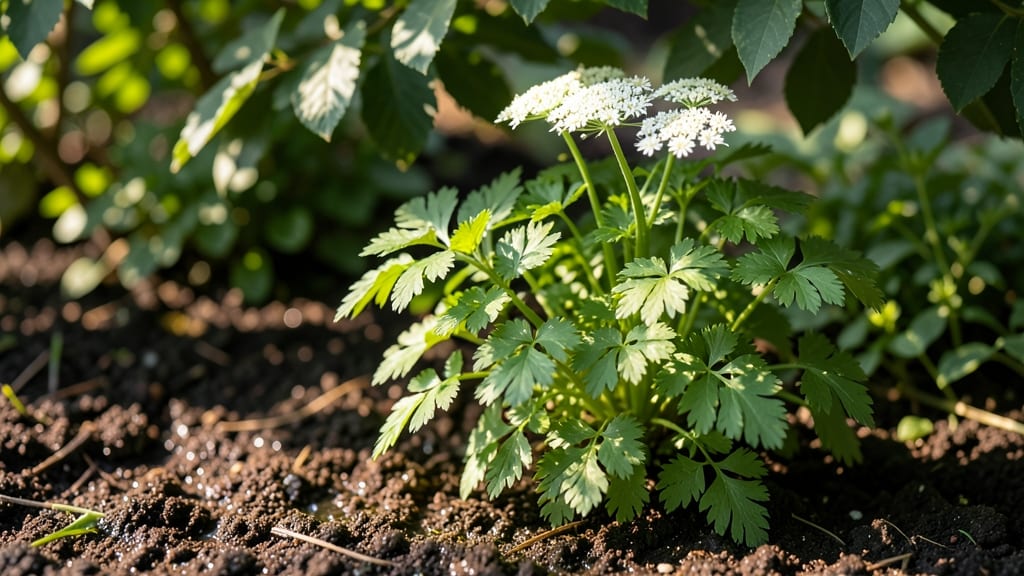
Growing cilantro in sun or shade depends on balancing flavor and survival—too much heat sends it bolting before you can harvest, while too little light slows growth to a crawl.
Struggling to grow cilantro that thrives instead of bolts? The secret lies in mastering its light needs—too much sun or too little shade can ruin your harvest before it starts.
This fast-growing herb 🌿 actually prefers partial shade, especially in hot climates where afternoon sun turns leaves bitter and triggers flowering. But don’t assume shade means neglect: cilantro still needs 4-6 hours of morning light to develop its signature bright flavor.
Below, I’ll break down the ideal light conditions by region, how to protect your plants from heat stress, and which cilantro varieties handle shade best—so you can enjoy fresh harvests all season long.
 Best Window Placement
Ideal sunlight conditions for cilantro growth and flavor
Cilantro thrives when given the right balance of sunlight, but too much or too little can drastically alter its growth and flavor. As an herb that prefers partial shade, it avoids the harsh afternoon sun that triggers bolting—the unwanted flowering that turns your cilantro bitter and woody.
Understanding these nuances is key to growing cilantro that stays tender and flavorful for weeks.
In my experience, cilantro performs best with 4 to 6 hours of morning sunlight paired with afternoon shade. This schedule mimics its natural habitat in Mediterranean climates, where it grows in dappled sunlight under taller plants.
The quality of light matters just as much as the quantity—bright, indirect light produces the most vibrant leaves, while intense midday rays can scorch delicate foliage.
Here’s the breakdown of how sunlight affects cilantro growth and flavor:
| Light Condition | Sun Exposure | Growth Speed | Flavor Impact | Bolting Risk |
|---|---|---|---|---|
| Partial Shade | 4-6 hours morning sun | Moderate (3-4 weeks to harvest) | Bright, citrusy, sweet | Low (ideal for long harvests) |
| Full Morning Sun | 6-8 hours east/west sun | Fast (2-3 weeks to harvest) | Strong, slightly peppery | Moderate (harvest quickly) |
| Afternoon Sun | 2+ hours 12-5 PM sun | Slow (stunted growth) | Bitter, woody notes | High (bolts in 10-14 days) |
| Deep Shade | <2 hours direct sun | Very slow (5+ weeks) | Mild, less aromatic | None (but poor yield) |
The morning sun is cilantro’s sweet spot because temperatures are cooler, and light intensity is gentler. I’ve found that planting cilantro near taller perennials—like rosemary or basil—creates natural shade that protects it from the afternoon heat.
This strategy works especially well in USDA Zones 8-10, where summer temperatures can exceed 90°F (32°C).
If you’re growing cilantro in containers, position them on a patio or balcony where they receive morning light but are shaded by the house or an umbrella in the afternoon. A 30-40% shade cloth can also be draped over outdoor pots to filter harsh rays without blocking all light.
I’ve used this trick in my Zone 9 garden, and it extends the harvest season by 3-4 weeks compared to unprotected plants.
One common mistake is assuming cilantro can handle full sun like thyme or oregano. While it tolerates some direct light, prolonged exposure—especially after 60°F (15°C) nights—triggers the plant’s natural bolting cycle. This is why cilantro grown in summer gardens often flowers prematurely.
To delay bolting, I harvest leaves aggressively (cutting back one-third of the plant weekly) to redirect energy into leaf production rather than seed development.
For gardeners in cooler climates (Zones 4-6), cilantro can handle more sun because temperatures rarely exceed 80°F (27°C). In these regions, I’ve successfully grown cilantro with 6-8 hours of full sun by planting it in late summer for a fall harvest.
The key is to monitor soil moisture closely—dry conditions combined with heat accelerate bolting, even in partial shade.
To maximize flavor, aim for bright but indirect light throughout the day. I’ve noticed that cilantro grown under grow lights (12-14 hours/day) in my indoor setup develops a more uniform, sweet flavor than outdoor plants.
If you’re using artificial light, opt for cool-white LEDs and keep them 6-12 inches above the plants to mimic natural sunlight conditions.
Remember, cilantro’s light needs change with the seasons. In spring and fall, it can handle more sun, while summer heat demands extra shade. Adjust your setup accordingly, and you’ll enjoy a steady supply of fresh, flavorful cilantro all season long.
The payoff? A harvest that stays tender, vibrant, and ready for your favorite recipes—without the bitter aftertaste of bolting. 🌿
How to protect cilantro from too much sun or heat stress
When summer temperatures rise, your cilantro plants may start to bolt prematurely or develop bitter leaves—a clear sign of heat stress. Cilantro thrives in cooler weather but can handle partial shade when grown in hot climates.
The key is creating a balanced environment that prevents wilting while maintaining flavor.
If you’re in a Zone 8 or higher, afternoon sun can push cilantro to flower too quickly, ruining your harvest. Even in milder zones, intense midday heat stresses plants, causing leaves to yellow or curl. Let’s fix this with practical solutions tailored to your garden’s conditions.
⚠️ Warning: Cilantro’s Heat Limits
Above 85°F (29°C), cilantro bolts within days. Even 6-8 hours of direct sun can trigger flowering if temperatures spike. Shade cloth (30-50%) is your best defense—apply it by late spring to protect young plants.
Start with shade cloth solutions like 30% shade fabric, which filters half the sunlight while allowing airflow. Install it over your cilantro patch by late May in most regions.
For containers, move pots to dappled shade (under trees or near fences) during peak heat. I’ve found that white shade cloth reflects heat better than black or green options.
Companion planting works wonders too. Pair cilantro with tall plants like basil or sunflowers to cast natural shade, or interplant with low-growing lettuce to create a microclimate. Avoid pairing with dill or fennel, which compete for resources and stress cilantro further.
In my Zone 9 garden, I surround cilantro with marigolds to deter pests while keeping roots cool.
Watering techniques make a huge difference. Instead of daily light sprinkles, water deeply every 2-3 days in the early morning. This keeps soil consistently moist without encouraging fungal growth.
Mulch with straw or grass clippings to retain moisture and block heat from reaching roots. I’ve seen cilantro thrive with 1-2 inches of mulch in 100°F+ days.
For seasonal adjustments, consider succession planting. In hot climates, sow new cilantro every 2-3 weeks from late summer to fall when temperatures drop. Choose heat-tolerant varieties like ‘Calypso’ or ‘Santo’, which handle slightly more sun.
If you’re in a coastal area, morning sun with afternoon shade works best—cilantro loves humidity but hates intense afternoon rays.
With these strategies, your cilantro will stay lush, flavorful, and bolting-free—even in the hottest months. Start with shade cloth, adjust watering, and pair with the right companions. Your harvest will thank you! 🌿