
Companion Plants
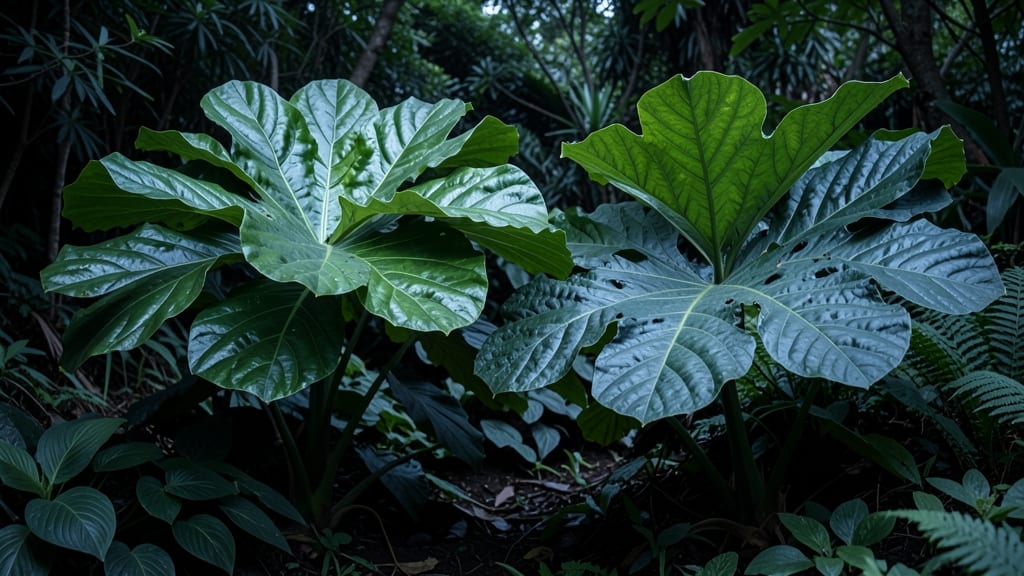
Struggling to create a lush, vibrant garden in shady spots? These 10 shade-tolerant plants not only thrive but also complement each other beautifully, enhancing growth and visual appeal when planted together.
Hostas Pairing with Ferns
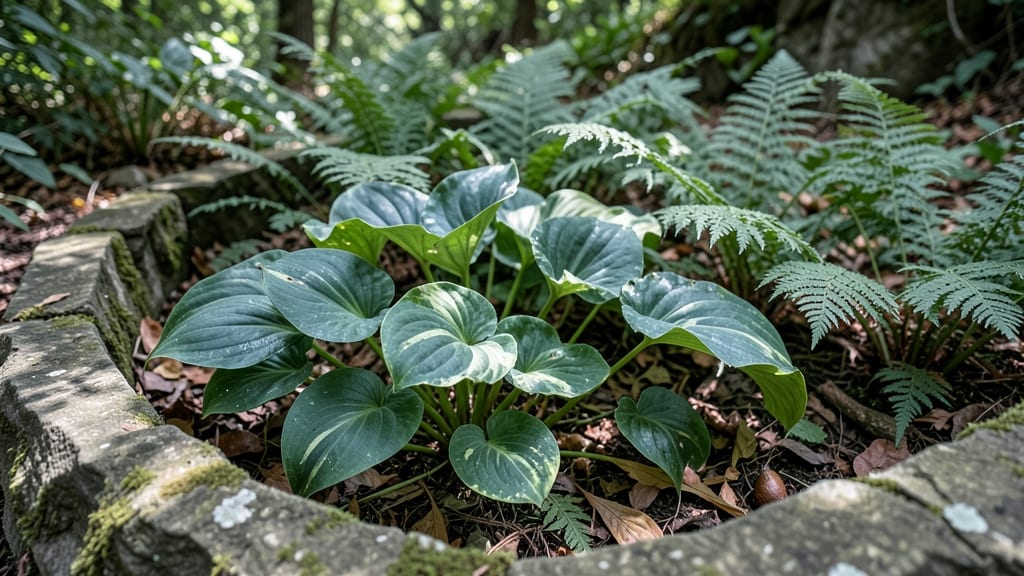
Create a woodland retreat in your shaded garden with the classic combo of hostas and ferns—two plants that thrive together like old friends. This pairing is a beginner’s dream because it requires minimal fuss while delivering maximum texture contrast, with hostas providing bold, lush foliage and ferns adding airy, feathery details.
For best results, plant hostas in clusters as the foundation layer, then tuck ferns (like maidenhair or ostrich fern) around their edges for a natural, layered look. Both love moist, well-draining soil and dappled shade, making them perfect under trees or along north-facing walls. Mulch with shredded bark to retain moisture and suppress weeds—this combo practically gardens itself once established.
This duo is especially rewarding for gardeners who want year-round interest without high maintenance. The hostas stay evergreen, while ferns add seasonal texture, creating a serene, forest-like atmosphere that’s both beautiful and low-stress. 🌿
Heucheras with Coral Bells
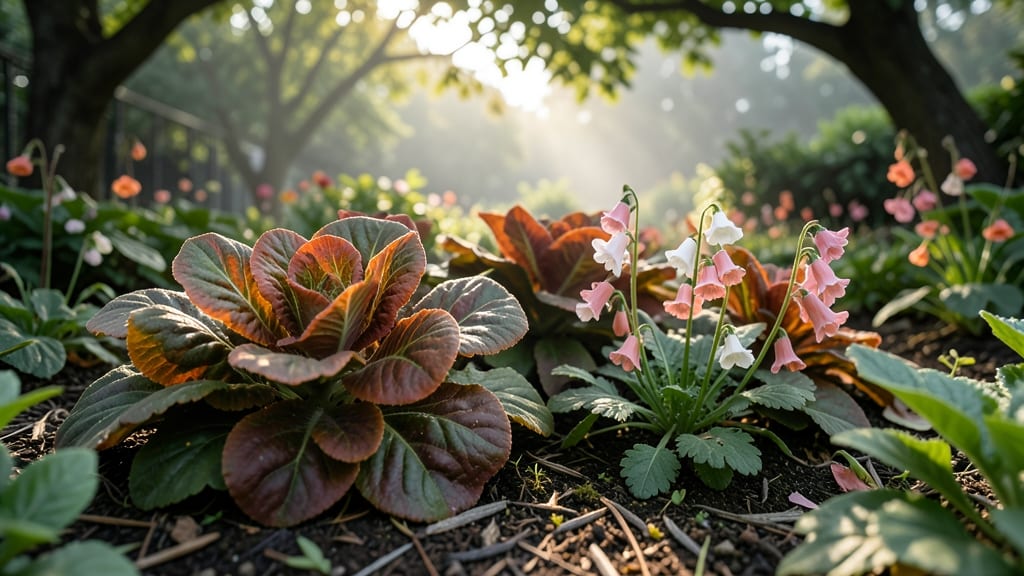
Want to add bold color and texture to your shady garden without sacrificing elegance? Heucheras and coral bells are the dynamic duo you’ve been waiting for. Their vibrant foliage and delicate blooms create a layered, eye-catching display that thrives in partial to full shade.
Start by choosing heucheras in deep purples, fiery reds, or silvery whites for the base of your container or border. Then, tuck in coral bells (also a type of heuchera) for their airy, bell-shaped blooms in shades of pink, white, or lavender. Both plants love well-draining soil and prefer morning sun with afternoon shade, making them perfect for urban patios or woodland edges.
This pairing is ideal for gardeners who want low-maintenance beauty with high impact—no fussy deadheading required! The contrasting textures and colors will draw the eye while keeping your shady spots lively. 💚
Astilbes and Japanese Painted Ferns
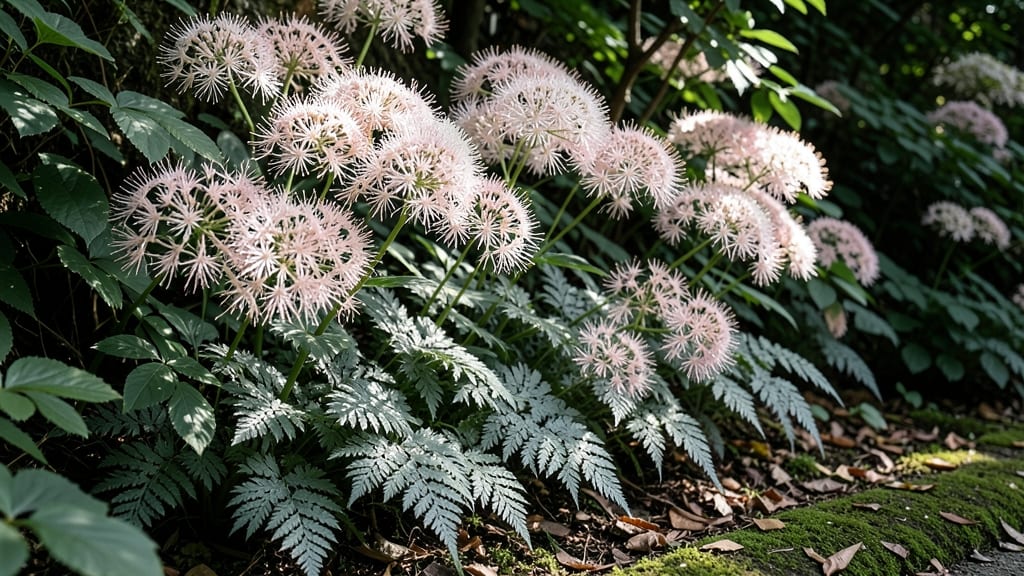
Bring vertical drama to your shaded garden with astilbes and Japanese painted ferns—two plants that create a stunning, airy display without needing a single ray of direct sunlight. Their contrasting textures and heights make them perfect for adding dimension to dark corners, patios, or woodland gardens.
Astilbes produce feathery plumes in shades of pink, white, or red that sway gently in the breeze, while Japanese painted ferns offer silvery-purple fronds with architectural flair. Both thrive in consistent shade and well-draining, moist soil—ideal for gardeners with east-facing beds or areas under tall trees. For best results, plant astilbes in the back of a border (they reach 2-4 feet tall) and ferns in front for a cascading effect.
This pairing is especially rewarding for urban gardeners with limited space or those who love the romantic, ethereal look of a woodland garden. Their low-maintenance nature and long bloom season (late spring to summer) make them a must-have for shaded spots. 🌻
Lungwort with Bleeding Heart
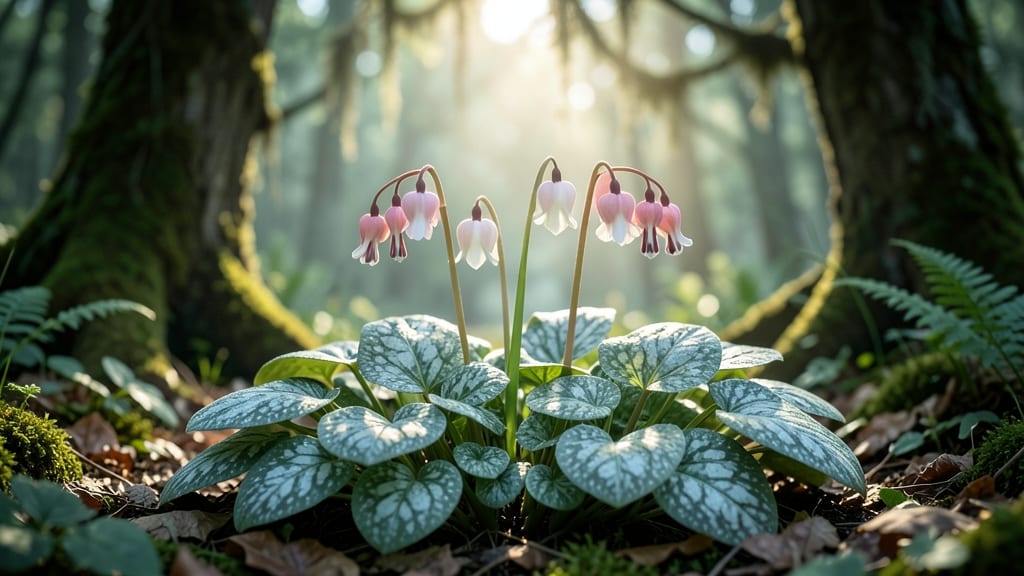
Transform your shady garden into a pollinator paradise with lungwort and bleeding heart—two classic perennials that create a dreamy, romantic display while supporting local wildlife. Their contrasting textures and colors make them a standout duo for cottage-style gardens or woodland edges.
Lungwort (Pulmonaria) features silvery-spotted leaves that emerge early in spring, while bleeding heart (Dicentra spectabilis) delivers heart-shaped pink or white blooms that nod gracefully from arching stems. Both thrive in partial to full shade and moist, well-draining soil—ideal for understory plantings or near shrubs. Plant lungwort at the base of bleeding heart to create a layered effect, with the foliage providing a lush backdrop for the delicate blooms.
This pairing is perfect for gardeners who love seasonal interest—lungwort’s foliage stays attractive even after flowering, while bleeding heart’s blooms last from late spring to early summer. Plus, their nectar-rich flowers attract bees and butterflies, making your garden both beautiful and functional. 🌷
Impatiens with Caladiums
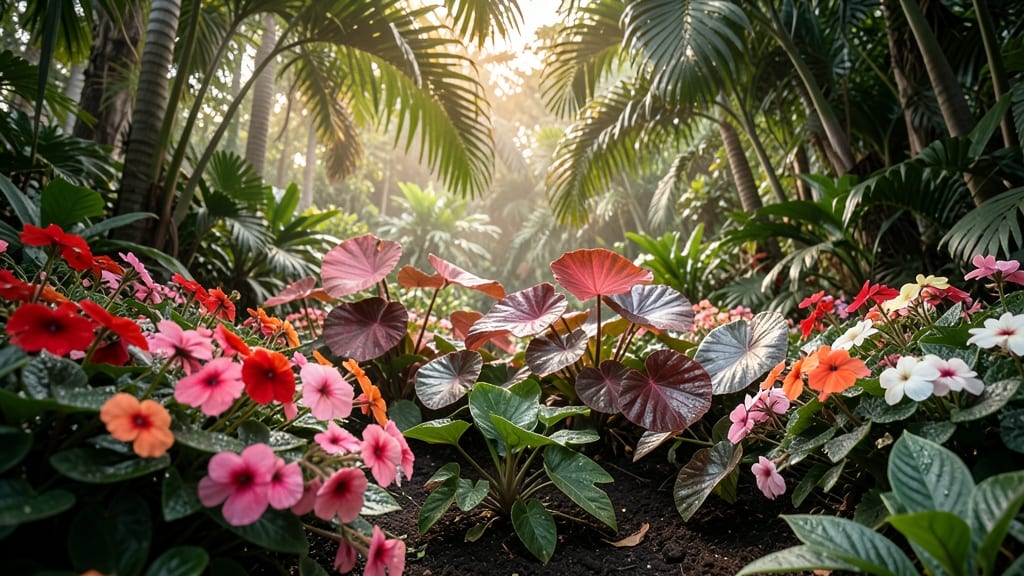
Turn your shady spots into a tropical oasis with this dynamic duo: impatiens and caladiums. While impatiens burst with nonstop blooms in vibrant reds, pinks, and whites, caladiums deliver dramatic foliage in shades of pink, burgundy, and silver—creating a lush, eye-catching display that thrives in partial to full shade. This pairing is perfect for gardeners who want instant color without the fuss of high-maintenance plants.
Impatiens love moist, well-draining soil and will bloom from spring until frost, while caladiums add striking foliage that lasts all season long. Plant them together in containers, hanging baskets, or shaded borders for a vibrant, low-light solution. Just ensure they get consistent moisture—both plants wilt quickly in dry conditions. For extra drama, mix in moss or ferns to enhance the tropical vibe.
This combination is ideal for urban gardeners with limited space or anyone looking to add bold color and texture to shady patios, decks, or garden beds. The contrast between the delicate blooms and bold leaves makes this pairing a showstopper in any shaded corner. 💚
Sweet Woodruff with Foamflower
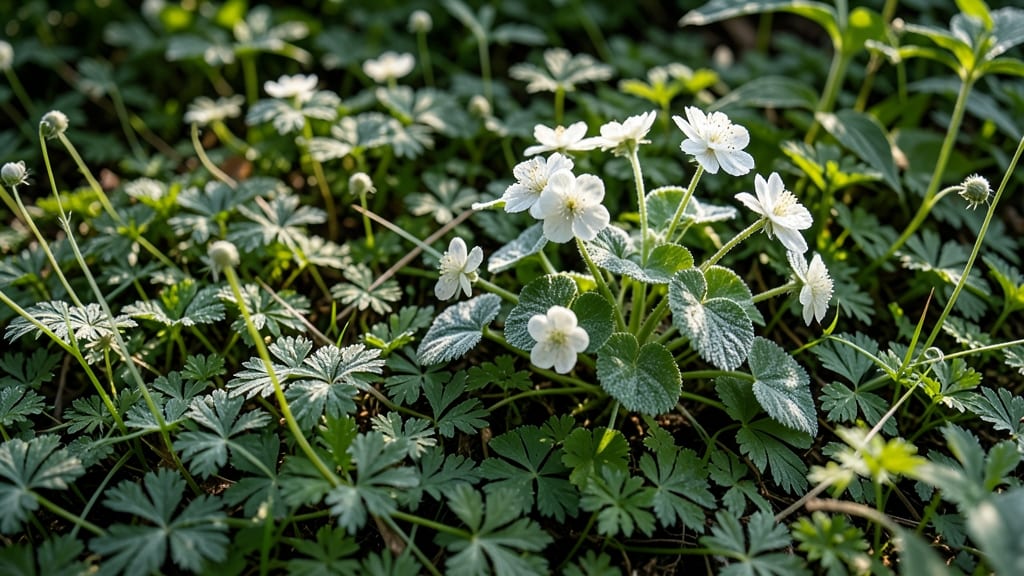
Transform your shady garden into a fragrant sanctuary with sweet woodruff and foamflower—a dynamic duo that thrives in low-light conditions while filling the air with a delicate, vanilla-like scent. Unlike bold bloomers, this pairing focuses on texture and aroma, making it perfect for understory plantings or fragrant garden corners.
Sweet woodruff (Galium odoratum) spreads gently with star-shaped leaves, releasing its signature fragrance when crushed, while foamflower (Tiarella cordifolia) produces airy white blooms on arching stems. Both love moist, well-drained soil and partial to full shade, creating a lush carpet that pollinators like bees and butterflies adore. Plant them together in woodland gardens or along shaded pathways for a serene, sensory experience.
This combination is ideal for gardeners who prioritize low-maintenance beauty and want to extend their garden’s appeal into late spring and early summer. The fragrant foliage also makes it a great choice for cutting gardens or containers near patios. 🌿
Tiarella with Solomon’s Seal
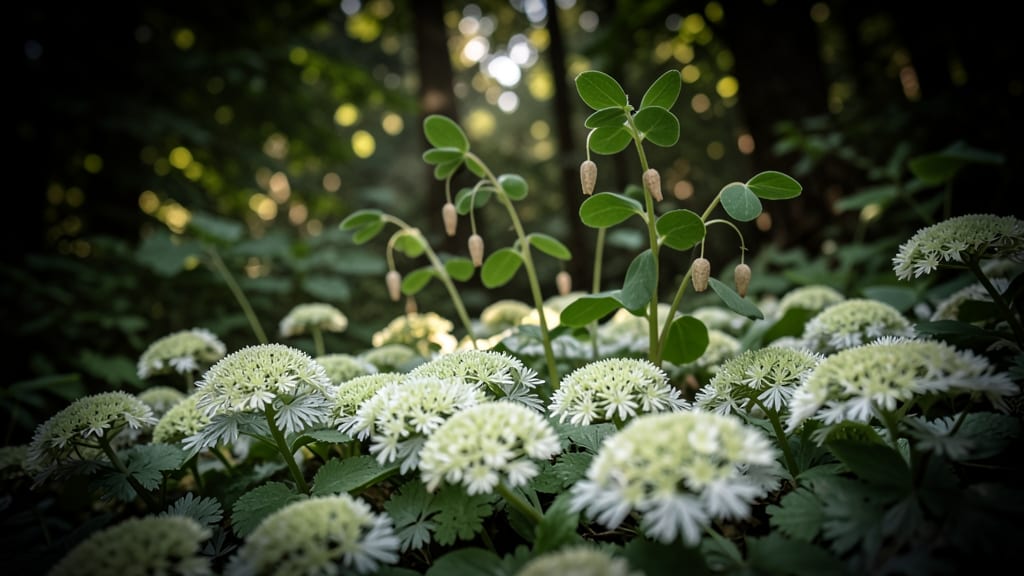
Transform your shady garden into a dynamic woodland retreat by pairing tiarella—aka foamflower—with Solomon’s seal. This duo brings together frothy foliage and graceful arching stems, creating a natural dance of textures that mimics the understory of a forest.
The tiarella delivers soft, rounded leaves and delicate white blooms that spill over garden edges, while Solomon’s seal provides vertical movement with its cascading, strap-like stems. Both thrive in partial to full shade and prefer moist, well-draining soil—ideal for gardeners with dappled light conditions. Plant Solomon’s seal in the back for height, then tuck tiarella around its base for a lush, layered effect.
This pairing is perfect for woodland gardeners who want to add depth without fuss. The combination attracts pollinators and adds year-round interest with evergreen foliage. 🌿
Brunnera with Lamium
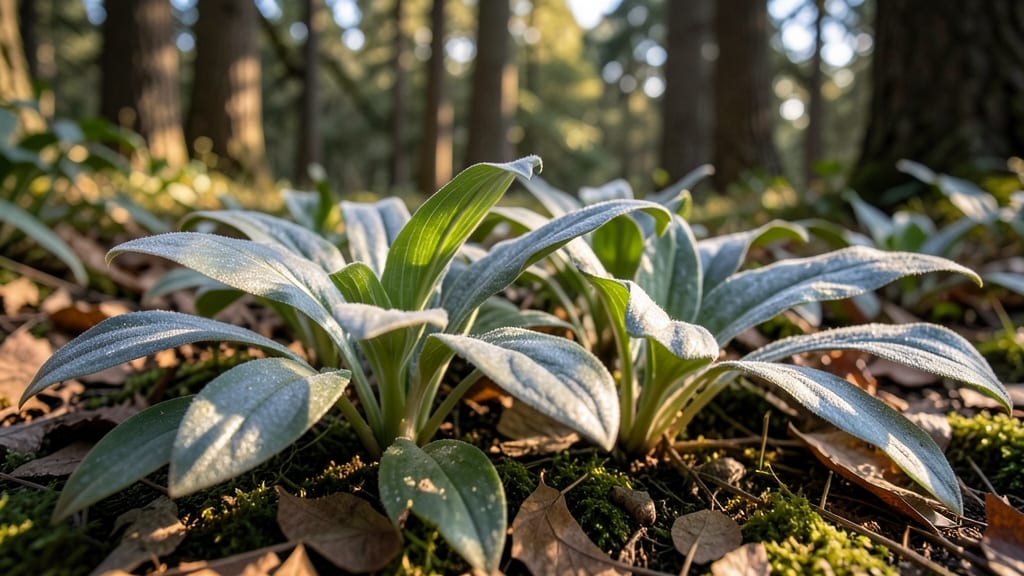
Want to add dramatic contrast to your shaded garden without sacrificing elegance? The brunnera-lamium duo delivers a silvery-metallic punch that catches the light, perfect for borders or understory plantings where foliage truly shines.
Start with brunnera (Brunnera macrophylla), whose heart-shaped, silvery-blue leaves create a luminous backdrop. Pair it with lamium (Lamium maculatum), whose purple-spotted foliage and lavender blooms add texture and movement. Both thrive in partial to full shade and prefer moist, well-draining soil—ideal for woodland gardens or beneath deciduous trees.
This combo is especially rewarding for gardeners who love low-maintenance yet high-impact plantings. The year-round interest—from spring blooms to winter foliage—makes it a standout for both beginners and seasoned designers. 💚
Daffodils with Hellebores
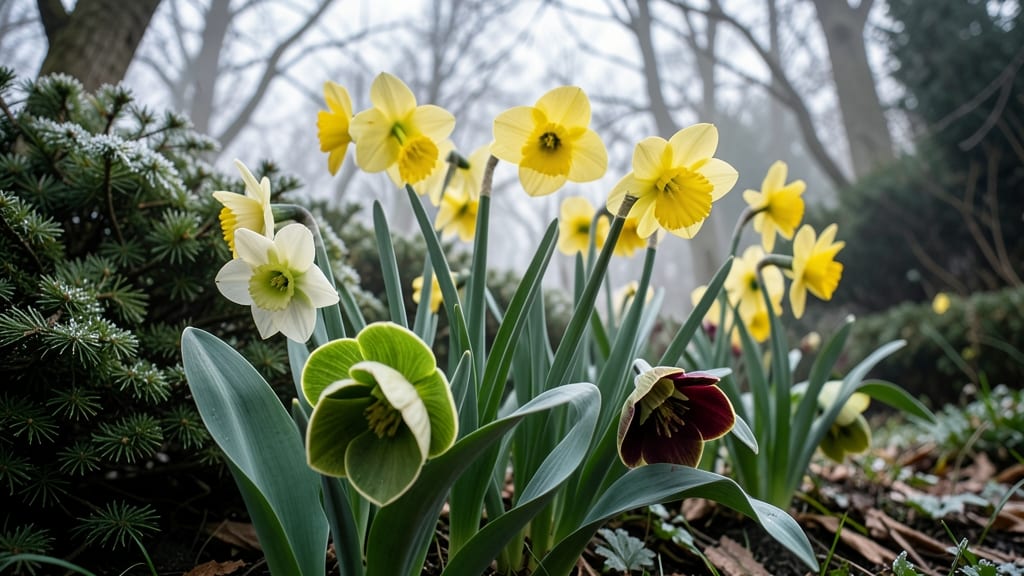
Want a garden that stays vibrant even in winter? Daffodils and hellebores are the ultimate duo for extending your seasonal color show. While most shade plants take a break in cold months, these two bloom at opposite ends of winter and spring, ensuring your garden never looks bare.
Plant hellebores (also called Lenten roses) first—they thrive in partial to full shade and often bloom from late winter through early spring. Then, tuck early-blooming daffodil varieties like 'February Gold' or 'Tête-à-Tête' nearby; their cheerful yellow blooms appear just as hellebores fade. Both plants are deer-resistant and low-maintenance, making them ideal for gardeners who want beauty with minimal fuss.
This pairing is especially magical for gardeners with woodland gardens or north-facing beds. The contrast between hellebores’ delicate, nodding blooms and daffodils’ bright trumpets creates a striking visual that lasts from late winter through spring. 🌱
Fatsia Japonica with Gunnera

Want to transform a dull, shaded corner into a tropical oasis without direct sunlight? The Fatsia japonica and Gunnera duo delivers jaw-dropping scale and texture that commands attention. Their massive, glossy leaves create an instant focal point in even the darkest garden nooks.
Fatsia japonica thrives in deep shade to partial sun, with leaves reaching up to 12 inches wide—perfect for anchoring a planting scheme. Pair it with Gunnera manicata, whose giant, heart-shaped leaves can grow over 5 feet wide, creating a lush jungle-like effect. Both plants prefer moist, well-draining soil and benefit from mulch to retain humidity. For maximum drama, plant them 3-5 feet apart to let their leaves overlap naturally.
This combo is ideal for gardeners who love bold statements and want to minimize maintenance. The year-round interest makes it perfect for urban courtyards, woodland edges, or as a dramatic container specimen. Just be prepared for neighbors to ask where you found these giants! 🌿