
Planting
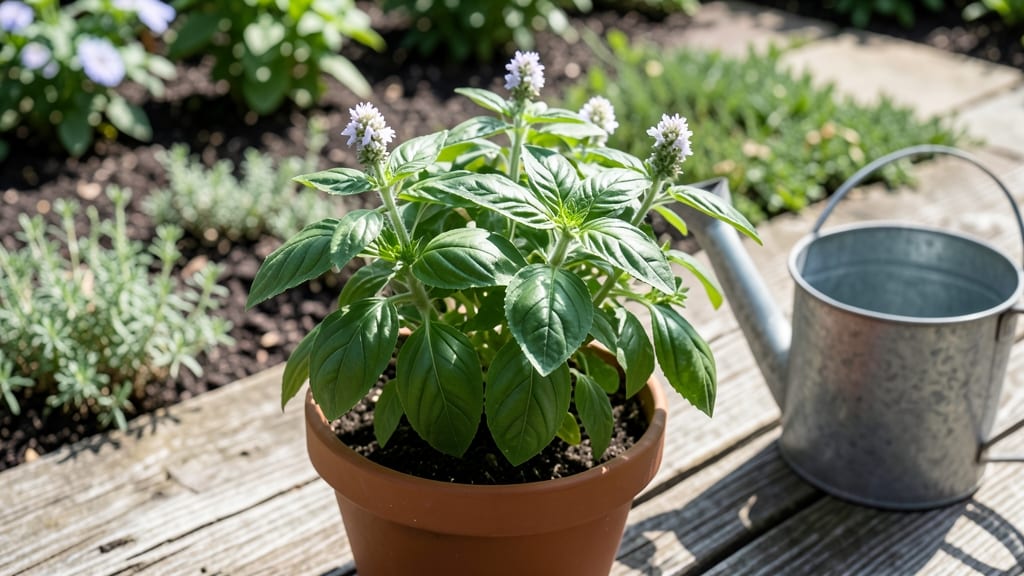
A basil plant in the right mix of sun or shade can transform from a flavorful star to a bitter, leggy disappointment—but mastering that balance is key.
Struggling to decide whether your basil plants need basking in full sun or thriving in partial shade? Get this right, and you’ll unlock the secret to vibrant leaves and explosive flavor—get it wrong, and you might end up with bitter, leggy plants that struggle to survive.
Most gardeners assume basil demands all-day sun, but in hot climates or shady spots, too much direct light can actually scorch the leaves, while too little leaves them stretching weakly toward any available rays.
The key is finding that sweet spot where your basil gets 6-8 hours of light without overheating or fading.
In this guide, I’ll break down how to read your basil’s light needs—whether you’re growing it in a sunny windowsill, a container on your patio, or a shadier corner of the garden—plus how to adjust conditions for the best harvest.
 Best Window Placement
Ideal sunlight requirements for basil plants: full sun vs. partial shade
If you’ve ever grown basil, you know how quickly it can go from lush and aromatic to leggy and bitter. The secret lies in sunlight exposure—specifically, how much your basil gets each day.
Basil thrives under full sun conditions, but too much heat or too little light can spell disaster. Let’s break down the science and practical tips to keep your basil happy and flavorful.
Basil plants are sun-worshippers, needing 6 to 8 hours of direct sunlight daily to produce the vibrant leaves and rich flavor we love. This isn’t just about growth—it’s about photosynthesis efficiency.
When basil gets enough light, its leaves produce more chlorophyll, the green pigment that powers energy creation. Without sufficient light, chlorophyll production drops, leading to weak stems and poor flavor development.
Here’s the catch: while basil loves sun, it’s not built for extreme heat. In hot climates (USDA Zones 9-11), afternoon shade can prevent sunburn and wilting. Think of it like giving your basil a midday break—just enough to keep it thriving without frying its leaves.
The key is balance, and we’ll show you how to strike it.
For outdoor basil, aim to place your plants where they receive morning sun and afternoon shade in hot climates. This setup mimics the natural light cycles basil would experience in its native Mediterranean habitat.
If you’re in a cooler region (USDA Zones 3-7), full sun all day is ideal—just ensure your soil stays moist to prevent stress.
Indoor basil presents a unique challenge. Without natural sunlight, your plants may stretch toward the nearest light source, a condition called etiolation. This leads to weak stems and pale leaves. To combat this, position your basil near a south-facing window or supplement with a grow light (12-16 hours daily).
LED grow lights with a full spectrum (blue and red wavelengths) are the most effective for mimicking sunlight.
One common misconception is that basil can thrive in partial shade all day. While it may survive, the flavor will suffer. Shady conditions reduce essential oil production, which is what gives basil its signature aroma and taste.
If you must grow basil in shade, choose varieties like Thai basil, which tolerates lower light better than others.
Pro tip: Monitor your basil’s leaves for color changes. Dark green leaves indicate optimal light, while yellowing or pale leaves signal insufficient light. Conversely, brown or crispy edges mean too much direct sun, especially in hot afternoons. Adjust your basil’s position accordingly to find the perfect balance.
Remember, basil is a fast-growing annual, so it can recover from minor light adjustments. If you notice leggy growth, prune the stems just above a leaf node to encourage bushier, healthier growth. This trick works wonders for redirecting energy and improving your basil’s overall structure.
By understanding your basil’s sunlight needs and adapting to your local climate, you’ll unlock the full potential of your plants. Whether you’re growing in a sun-drenched garden bed or a cozy kitchen windowsill, the right light conditions will reward you with basil that’s not just alive—but thriving.
Signs your basil isn’t getting enough (or too much) sunlight
Your basil plants might be silently screaming for help if their light exposure is off. Too little sun weakens stems and dulls flavor, while too much can scorch delicate leaves. The key is 6-8 hours of sunlight—but how do you know if you’ve hit the sweet spot?
Look for these visual cues and textural changes that reveal whether your basil is basking just right—or struggling.
First, check the leaf color. Healthy basil leaves are deep green with a glossy finish. If they’re turning yellow or pale, your plant is likely light-deprived. This happens when basil stretches toward any available light, creating long, leggy stems and sparse foliage.
On the flip side, brown or crispy edges signal sunburn, a clear sign of excessive sunlight, especially in hot afternoons.
⚠️ callout warning ⚠️
⚠️ Basil in Distress: Light-Related Red Flags
Too Little Sun: Yellow leaves, stretched stems, weak growth, bitter taste 🌱
Too Much Sun: Brown patches, crispy edges, wilting, reduced flavor ☀️
Fix It: Move plants to partial shade (morning sun) or use shade cloth for outdoor containers. For indoor basil, rotate pots weekly for even light exposure.
Don’t overlook the taste test. Basil grown in low light often develops a bitter, grassy flavor due to stress. If your harvest tastes milder than expected, your plant might need more sun—just not scorching afternoon rays.
Conversely, basil exposed to intense midday heat can lose its signature sweetness, so afternoon shade (especially in zones 8-10) is a game-changer.
For container gardens, watch the soil surface. If it’s drying too quickly (a sign of excessive sun), move your pots to a shadier spot or add a mulch layer to retain moisture.
Conversely, if the soil stays damp for days, your basil might be shade-bound—consider relocating it to a sunnier windowsill or balcony.
Adjusting light exposure is easier than you think. If your basil is leggy, trim the stems just above a leaf node to encourage bushier growth, then gradually increase sunlight. For sunburned plants, provide afternoon shade with a lightweight shade cloth (30-50% coverage).
And remember: indoor basil near a south-facing window gets the most natural light, but supplement with a grow light if leaves start yellowing.
With these troubleshooting tips, your basil will thrive—whether it’s soaking up morning sun or basking in filtered light. The goal? Balanced growth that delivers flavorful leaves all season long. 🌿