
Shrubs
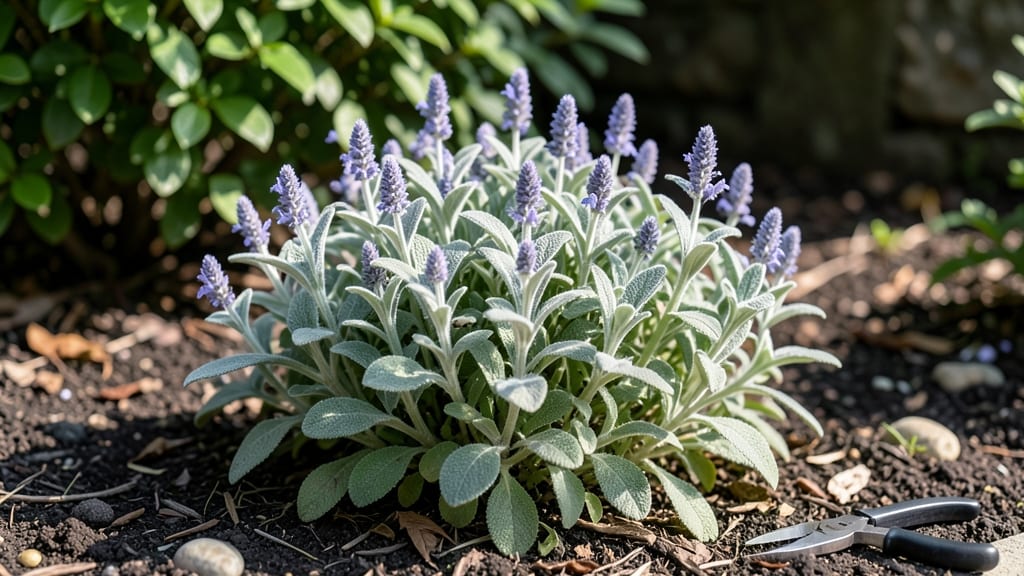
Growing catmint in shade is absolutely possible with the right shade-tolerant varieties and a few simple adjustments 🌸 — this fragrant, drought-resistant plant can still deliver those signature purple spikes even where sun is scarce.
If you love the silvery foliage and fragrant spikes of catmint but struggle with shady spots in your garden, you’re not alone. Many gardeners assume this plant needs full sun, but the truth is catmint can adapt beautifully to partial shade with proper care.
The key lies in choosing the right variety and tweaking a few growing conditions.
Shade throws a wrench into catmint’s usual routine, often leading to leggy growth or sparse blooms. But by focusing on well-draining soil, strategic pruning, and the right watering schedule, you can keep your catmint thriving in those low-light corners of your yard.
This guide will walk you through selecting shade-friendly varieties, optimizing soil conditions, and maintaining healthy growth—so you can enjoy those fragrant blooms year after year.
You’ll also discover how to troubleshoot common shade-related issues like poor flowering or weak stems, plus companion plants that complement catmint’s silvery foliage in shady spots. With the right approach, your shade garden can become a fragrant, drought-proof oasis.
 Best Window Placement
How to successfully grow catmint in shade: light & soil secrets
Catmint (Nepeta spp.) is famous for its drought tolerance and fragrant blooms, but many gardeners overlook its potential in shady spots. The key to growing catmint in shade lies in understanding its light requirements and soil adjustments.
Unlike its sun-loving cousins, shade-grown catmint thrives with partial shade (3-6 hours of morning sun) or even full shade in cooler climates. This allows you to enjoy its silvery foliage and delicate spikes even where full sun isn’t an option.
Your first step is selecting the right catmint variety for your shade level. Some types, like 'Walker’s Low' or 'Purpurascens', handle shade better than others. These varieties adapt well to dappled shade or even deep shade in forests or north-facing gardens.
Pair this with the right soil preparation, and you’ll set your catmint up for success.
⚠️ Critical Insight: Catmint in shade often struggles with leggy growth or poor flowering if not given the right conditions. The solution? Focus on soil drainage, organic matter, and microclimate adjustments. Let’s break down the essentials to keep your catmint lush and blooming.
| Factor | Partial Shade (3-6 hrs sun) | Full Shade (0-3 hrs sun) |
|---|---|---|
| Light Conditions | Ideal for most catmint varieties; morning sun boosts blooms | Works for cooler climates; may reduce flowering |
| Soil Type | Well-draining, slightly alkaline (pH 6.5-7.5) | Add compost for nutrients; improve drainage |
| Watering Needs | Deep water 1-2x/week; drought-tolerant once established | Keep soil consistently moist; avoid soggy roots |
| Fertilizer | Balanced 10-10-10 in spring; skip fall/winter | Use organic matter (compost/manure) for nutrients |
| Common Issues | Leggy growth if light is insufficient | Poor flowering; may need pruning to encourage bushiness |
| Microclimate Tip | Plant near reflective surfaces (paths, walls) to increase light | Choose east-facing spots for filtered morning light |
When growing catmint in partial shade, aim for 3-6 hours of morning sunlight. This golden window provides enough energy for robust growth without scorching the leaves. Morning sun also reduces the risk of fungal diseases that thrive in damp, shaded conditions.
If your garden only offers dappled shade (like under deciduous trees), choose varieties like 'Six Hills Giant', which tolerates fluctuating light levels better than others.
For full shade conditions, your catmint will still grow but may produce fewer blooms. To compensate, focus on soil fertility and pruning techniques. Amend the soil with compost or aged manure to provide essential nutrients.
A mulch layer (2-3 inches of shredded bark or leaves) helps retain moisture and regulates soil temperature, which is critical in low-light environments.
One of the biggest mistakes gardeners make is assuming catmint in shade needs constant moisture. While it’s drought-tolerant, shade-grown plants benefit from consistent watering until established. Water deeply in the morning to allow foliage to dry quickly, reducing the risk of powdery mildew.
Once rooted, catmint in shade should only need watering every 10-14 days, unless your climate is particularly dry.
If your catmint starts looking leggy or sparse, it’s likely stretching toward any available light. To fix this, prune back leggy stems by one-third in early spring. This encourages bushier growth and redirects energy to new, healthier shoots.
For poor flowering, a light application of fish emulsion in late spring can stimulate blooms without over-fertilizing.
Don’t overlook the power of microclimate adjustments. Even in shade, catmint performs better near reflective surfaces like light-colored walls or gravel paths. These surfaces bounce extra light onto the plant, mimicking the benefits of partial shade.
If your garden is north-facing, prioritize catmint placement where it can catch filtered light from nearby trees or a south-facing neighbor’s fence.
Finally, pair your shade catmint with companion plants that thrive in similar conditions. Hostas, heucheras, and ferns make excellent neighbors, creating a lush, layered shade garden. Avoid competitive plants like mint or invasive ground covers, which can smother your catmint’s roots and steal nutrients.
With the right light balance, soil prep, and maintenance tweaks, your catmint will reward you with silvery foliage and fragrant blooms all season long—even in the shadiest corners of your garden. 🌿
Best catmint varieties for shady gardens & their care tips
Not all catmint varieties thrive equally in shade, but these three standout choices prove you can grow fragrant, drought-resistant beauty even in low-light spots. 'Walker’s Low' remains my top recommendation for its silvery foliage and prolonged blooming, while 'Kew Red' delivers bold purple-blue spikes that pop against dark leaves.
Don’t overlook Nepeta grandiflora 'Purpurascens', which offers deep purple blooms and thrives in full shade with minimal care.
When selecting varieties for shade, prioritize fragrance intensity and bloom duration—both traits often diminish in low light. 'Walker’s Low' produces lavender-scented flowers from early summer to frost, while 'Kew Red'’s rich purple blooms attract pollinators even in partial shade.
For full shade gardens, 'Purpurascens'’s velvety foliage and dark purple flowers create striking contrast against hostas or ferns.
Catmint in Shade: Pros & Cons
- Drought-tolerant once established
- Fragrant foliage deters pests
- Low-maintenance pruning needs
- Pollinator magnet even in shade
- Leggy growth in deep shade
- Reduced blooms without light
- Soil moisture must stay consistent
- Susceptible to powdery mildew
🌱 Tip: Amend soil with compost to improve drainage and reduce legginess.
'Walker’s Low' adapts best to partial shade (3–6 hours of morning sun) and rewards gardeners with silvery-gray foliage that shimmers in dappled light. Its lavender-blue flowers appear in late spring and continue through fall, making it ideal for cut flower arrangements. To maximize blooms, deadhead spent flowers and fertilize lightly with 10-10-10 in early spring.
For bold color contrasts, 'Kew Red' delivers deep purple spikes that stand out against its dark green leaves. This variety tolerates full shade but flourishes with 3–4 hours of filtered light, such as under tree canopies.
Pair it with heuchera or coral bells to create a moisture-loving shade border. Prune back by one-third in early spring to encourage bushier growth.
'Purpurascens' is the darkest bloomer of the three, with velvety purple flowers that thrive in full shade. Its compact habit (18–24 inches tall) makes it perfect for container gardens or woodland edges. To prevent powdery mildew, ensure good air circulation and avoid overhead watering. Mulch with pine needles to retain moisture and suppress weeds.
Enhance your shade garden by pairing catmint with companion plants that thrive in similar conditions. Hostas provide textural contrast, while ferns add lush foliage. For height, plant astilbes or foamflower nearby—they share the same moisture needs and pollinator appeal.
In containers, mix catmint with heuchera or sweet woodruff for a fragrant, low-light thriller.
Remember, shade catmint requires consistent moisture but hates soggy soil. Water deeply once a week in summer and reduce to bi-weekly in fall. For best results, plant in well-draining soil amended with organic matter like compost or leaf mold.
With these care tips, your shade garden will burst with fragrant, drought-resistant beauty year after year. 🌿