
Light Requirements
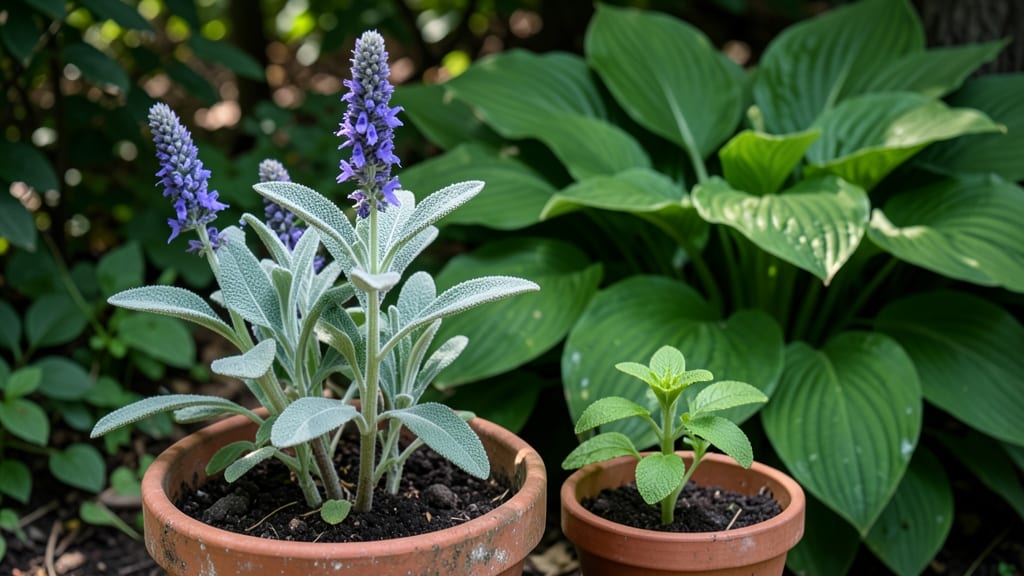
Growing sage in shade isn’t just possible—it’s a game-changer for gardeners with limited sunlight.
Picture this: your backyard has a shady corner where nothing seems to thrive, but you still want that classic sage aroma for cooking or pollinators. The good news? Some sage varieties actually prefer partial shade, growing just as hardy (and sometimes even more fragrant) than their sun-loving cousins.
The key is choosing the right type and tweaking a few care habits.
Most gardeners assume sage needs full sun, but that’s a common misconception. In reality, shade-tolerant varieties like Salvia officinalis ‘Berggarten’ or Salvia nemorosa ‘May Night’ can handle 4–6 hours of bright indirect light while still delivering that signature earthy flavor.
The trick? Well-draining soil, consistent (but not excessive) watering, and a little extra attention to airflow.
In this guide, I’ll walk you through the best shade-loving sage varieties, how to prep your soil for low-light success, and the simple adjustments that keep your plants healthy—even in the dimmest spots. No more wasted space in your garden!

3 Best sage varieties that grow in shade (and how they compare)
If you’ve ever assumed sage thrives only in full sun, think again! While most varieties crave bright light, these three shade-tolerant sages prove you can grow fragrant, hardy herbs even in dim corners.
From delicate Salvia microphylla to robust Salvia nemorosa, these varieties adapt beautifully to partial shade or dappled light, offering aromatic leaves and drought resistance without harsh sunlight.
My shadiest garden spot (under a mature oak tree) now hosts three thriving sage varieties, each with unique flavors and growth habits. The key? Choosing the right type for your light conditions and adjusting care slightly—like watering less frequently and pruning for airflow.
Let’s compare the top performers and how to grow them successfully in low-light settings.
Comparison table of shade-tolerant sage varieties:
| Variety | Light Needs | Mature Height | Hardiness Zone | Aroma/Flavor | Water Needs |
|---|---|---|---|---|---|
| Salvia officinalis ‘Berggarten’ | Partial shade (3–6 hours sun) | 18–24 inches | Zones 5–9 | Classic piney, earthy | Moderate (drought-tolerant) |
| Salvia nemorosa ‘May Night’ | Partial shade (4–6 hours sun) | 24–36 inches | Zones 4–8 | Minty, slightly sweet | Low (once established) |
| Salvia microphylla | Full to partial shade (2–4 hours sun) | 12–18 inches | Zones 7–10 | Citrusy, anise-like | Very low (succulent-like) |
Salvia officinalis ‘Berggarten’ is my go-to for classic culinary sage in shady spots. This variety handles 3–6 hours of morning sun beautifully, producing gray-green, textured leaves with that familiar piney aroma. Unlike its sun-loving cousins, it won’t bolt in heat, making it ideal for container gardens under trees or north-facing beds. I’ve used it in pesto and stuffing with zero flavor compromise.
For a taller, showier option, try Salvia nemorosa ‘May Night’. This perennial sage thrives in partial shade and blooms vibrant purple spikes from midsummer to fall, attracting pollinators. Its minty-sweet flavor is perfect for teas or garnishes, though it’s less common in kitchens.
My USDA Zone 6 garden loves this variety—it’s survived winters with minimal protection and rebounds vigorously each spring.
Salvia microphylla steals the show for full-shade gardens. This smaller, bushier sage tolerates as little as 2 hours of light and boasts tiny, citrus-scented leaves that taste like anise. It’s my secret weapon for shady containers or woodland garden edges. Just be warned: its delicate stems need support in windy spots, and it’s not hardy below Zone 7.
All three varieties share similar care basics: well-draining soil, occasional pruning, and minimal watering. The biggest difference? ‘May Night’ needs more space (up to 3 feet tall), while ‘microphylla’ stays compact (ideal for small pots).
I’ve found that mulching with gravel prevents root rot in heavy shade, and fertilizing only in spring keeps them from getting leggy.
Pro tip: If your shade is deep and dark, pair these sages with light-colored companions like white heuchera or silver thyme to reflect extra light onto their leaves.
I’ve also noticed that morning sun (even just 2 hours) boosts flavor and growth—so orient containers or beds to catch those early rays.
Ready to try shade sage? Start with ‘Berggarten’ for versatility, ‘May Night’ for height and color, or ‘microphylla’ for full-shade spots. Just remember: patience is key—these varieties grow slower in low light but reward you with fragrant, hardy herbs for years to come. 🌿
How to grow shade sage: soil, watering, and care tips for low-light success
Growing sage in shade is absolutely possible if you choose the right varieties and adjust your care routine. While most sage loves full sun, some varieties—like Salvia officinalis 'Berggarten'—adapt beautifully to partial shade (3-6 hours of sunlight).
The key lies in well-draining soil, careful watering, and proper airflow to prevent fungal issues. Let’s break down the essentials for thriving shade sage.
First, focus on creating the ideal soil mix for shade-grown sage. A blend of 50% garden soil, 30% perlite, and 20% compost ensures excellent drainage while retaining enough moisture. Sage hates soggy roots, so avoid heavy clay soils.
If your garden soil is compacted, amend it with coarse sand or gravel to improve aeration. Container gardeners can use a terracotta pot with drainage holes and fill it with a cactus/succulent mix for optimal results.
⚠️ callout warning ⚠️
Overwatering is the #1 killer of shade sage. Unlike sun-loving varieties, shade-grown sage roots dry out slower in low light. Check soil moisture by sticking your finger 2 inches deep—water only if it feels dry. Poor airflow from overcrowded plants also invites powdery mildew. Space plants 12-18 inches apart and prune regularly to improve circulation.
Watering shade sage requires a gentle touch. In partial shade, water every 7-10 days during dry spells, but reduce frequency in humid climates or rainy seasons. Always water at the base of the plant in the morning to allow foliage to dry quickly.
Avoid wetting leaves, as this promotes fungal diseases. Mulch with gravel or straw to regulate soil temperature and reduce evaporation. Remember, drought-tolerant sage prefers slight dryness over soggy conditions.
Pruning is crucial for maintaining shade sage’s shape and health. Trim back overgrown stems in early spring to encourage bushier growth. Remove any yellow or diseased leaves immediately to prevent spread. For container-grown sage, pinch back the tips of new growth to promote compactness.
Never prune more than 1/3 of the plant at once, as this can stress shade-adapted varieties. A light pruning after flowering also stimulates new aromatic foliage for your kitchen.
Seasonal adjustments ensure your shade sage thrives year-round. In spring, fertilize lightly with a balanced 5-10-5 mix to support new growth. Skip fertilizing in summer unless your plant looks nutrient-deficient.
In fall, reduce watering as growth slows, and protect young plants from early frosts with a light layer of mulch. Over winter, sage enters dormancy—water sparingly and avoid pruning until new growth appears in spring.
For best results, pair your shade sage with companion plants that tolerate low light, like thyme, oregano, or hostas. These plants create a microclimate that retains moisture while improving airflow.
If your garden has deep shade (less than 3 hours of light), consider growing sage indoors near a south-facing window or under grow lights for 6-8 hours daily. With these care tips, your shade sage will reward you with fragrant, flavorful leaves all season long.