
Light Requirements
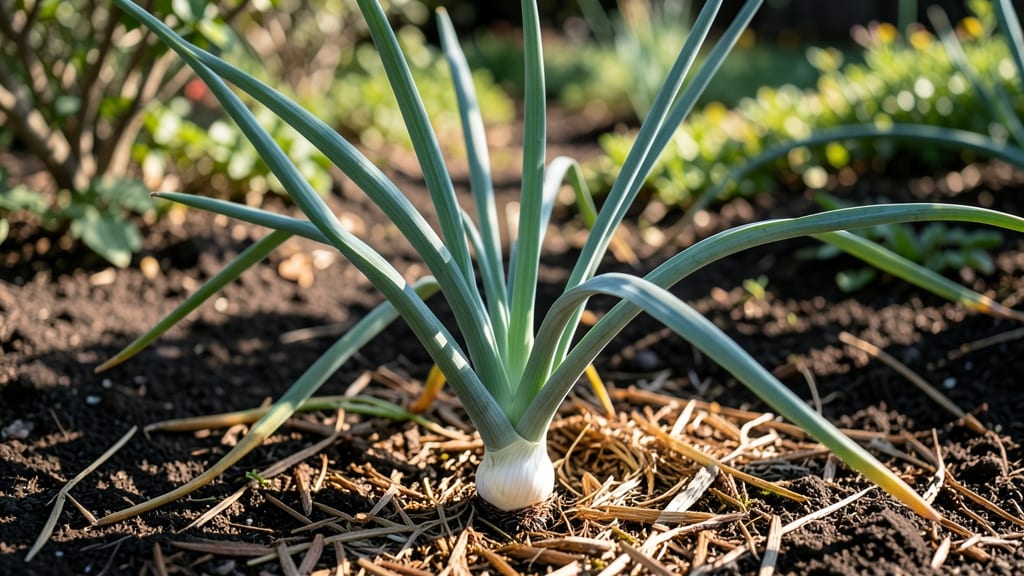
Growing garlic in shade isn’t just possible—it can still produce flavorful bulbs with the right varieties and care.
If you’ve ever eyed that dim corner of your garden and wondered whether 🧄 garlic could thrive there, the answer is yes—but not all types play well in low light.
While full sun is ideal, certain slow-bulbing varieties like Silverskin or Artichoke garlic adapt surprisingly well to partial shade, making them perfect for under trees or north-facing plots.
Here’s the key: shade slows down bulb development, so you’ll need to adjust planting times, soil prep, and spacing to maximize what you harvest. Think of it as a trade-off—smaller bulbs in exchange for growing where other crops might fail.
In this guide, I’ll walk you through the best shade-tolerant garlic types, soil tricks to compensate for low light, and how to spot early signs of trouble before your harvest suffers. Let’s make the most of that shady spot!

Best garlic varieties for shady gardens that still bulb well
Not all garlic varieties are created equal when it comes to shade tolerance. While most gardeners reach for hardneck varieties like Rockstar or Chesnok Red, these need full sun (6+ hours daily) to produce large bulbs.
Instead, focus on slow-bulbing types—they prioritize leaf growth over bulb development, making them far more adaptable to low-light conditions. These varieties store energy in their leaves rather than bulbs, so they won’t starve in partial shade like their sun-loving cousins.
The key to success lies in selecting softneck varieties like Silverskin or Artichoke, which mature over a longer season and tolerate 3-4 hours of direct sunlight. These types are perfect for woodland gardens, north-facing beds, or even container growing under trees.
While bulbs may be smaller, their mild, sweet flavor and long storage life make them worth growing in shade.
Here’s how these shade-tolerant varieties compare—choose based on your climate zone and garden goals:
Silverskin garlic is my top recommendation for shady spots—it’s the most shade-tolerant and stores for up to 12 months in cool, dry conditions. Plant cloves 4 inches deep in well-draining soil enriched with compost, and space them 6 inches apart to prevent overcrowding. This variety thrives in USDA zones 3-10, making it versatile for nearly any climate.
If you’re in a warmer climate (zones 7-10), Creole garlic is a game-changer. It handles humidity and partial shade better than most, producing spicy, robust bulbs perfect for fresh eating.
However, it requires consistent moisture—let the top 2 inches of soil dry between waterings to avoid rot. For containers, use a 12-inch-deep pot with drainage holes to mimic garden conditions.
Avoid hardneck varieties like Music or German Red in shade—they’ll produce tiny, weak bulbs or fail entirely. Instead, opt for softneck types, which prioritize leaf growth over bulb development.
This means slower maturation (10-12 months vs. 8-9 months for hardnecks), but the trade-off is reliable yields in low light. For example, Artichoke garlic matures in 11-12 months but thrives in only 2-3 hours of sun daily.
Pro tip: Pair your shade garlic with companion plants like lettuce or spinach, which also tolerate low light. This creates a microclimate that retains moisture and improves soil fertility. Just avoid planting near onions or leeks, which compete for nutrients and can stunt growth.
Mulch with straw or leaves in late fall to insulate bulbs and protect them from winter temperature swings.
Harvesting shade-grown garlic requires patience. Wait until 50-60% of the lower leaves turn brown and papery—this signals the bulb has fully developed. Unlike sun-grown garlic, shade bulbs may not reach market size, but they’re still flavorful and perfect for home use.
Cure them in a dry, shaded area for 2-3 weeks before storing in mesh bags to allow airflow.
Remember, shade garlic won’t produce giant elephant garlic-sized bulbs, but the flavor and satisfaction of growing food in
How to optimize garlic growth in shade: soil, planting, and care tips
Growing garlic in shade isn't ideal, but with the right soil prep and care adjustments, you can still harvest decent-sized bulbs. The key lies in compensating for reduced sunlight with nutrient-rich soil and protective mulching.
Since garlic stores energy in its bulbs during winter, shade slows this process—but slow-bulbing varieties like Silverskin can still thrive with patience and proper techniques.
Start by selecting a shady spot with at least 4-6 hours of indirect light, such as under dappled trees or on a north-facing slope. Avoid dense shade where sunlight barely reaches the soil.
The right planting depth and spacing also make a difference—garlic planted too shallow may struggle to establish roots in low-light conditions.
Step-by-Step Guide to Growing Garlic in Shade
- 1. Enrich the Soil: Amend with 3-4 inches of compost or aged manure before planting. Shade-deprived garlic relies on extra nutrients to develop bulbs. Test soil pH—aim for 6.0-7.0—and adjust with lime if needed.
- 2. Plant Cloves Correctly: Use slow-bulbing varieties like Silverskin or Artichoke. Plant cloves 4 inches deep, pointed end up, with 6 inches between cloves and 12 inches between rows for better air circulation.
- 3. Mulch Heavily: Apply 4-6 inches of straw or leaves after planting. Mulch retains moisture, insulates roots in winter, and prevents weeds from competing for nutrients—critical in shade where growth is slower.
- 4. Water Deeply and Less Often: Shade reduces evaporation, so water once weekly (or bi-weekly in rainy seasons) to encourage deep root growth. Avoid soggy soil, which can rot bulbs.
- 5. Fertilize Strategically: Apply a balanced 5-10-10 fertilizer in early spring (when shoots emerge) and again in early summer. Shade-grown garlic benefits from phosphorus-rich feeds to boost bulb development.
- 6. Protect in Winter: Add an extra 2-3 inches of mulch before the first frost. Shade can make garlic more susceptible to freezing, so insulation is key for survival and next year’s yield.
- 7. Harvest Patiently: Shade-slowed garlic may take 1-2 weeks longer to mature. Harvest when lower leaves brown but upper leaves stay green. Cure bulbs in a dry, shaded area for 2-3 weeks.
Don’t expect large bulbs like those grown in full sun, but with these steps, you’ll still harvest usable cloves for cooking. Container growing is another option for shade—use a deep pot with well-draining soil and place it in the sunniest spot you have, even if it’s just a few hours of morning light.
If your garlic plants start looking leggy or weak, they’re likely stretching toward light. To fix this, prune the tops when they reach 6-8 inches tall, redirecting energy to bulb growth. This trick works especially well for slow-bulbing varieties in partial shade.
Remember, garlic planted in fall matures the following summer, so patience is key when growing in shade. The first year may yield smaller bulbs, but subsequent years often improve as the soil builds organic matter. With these adjustments, your shady patch can still be a productive garlic garden! 🌱🧄