
Light Requirements
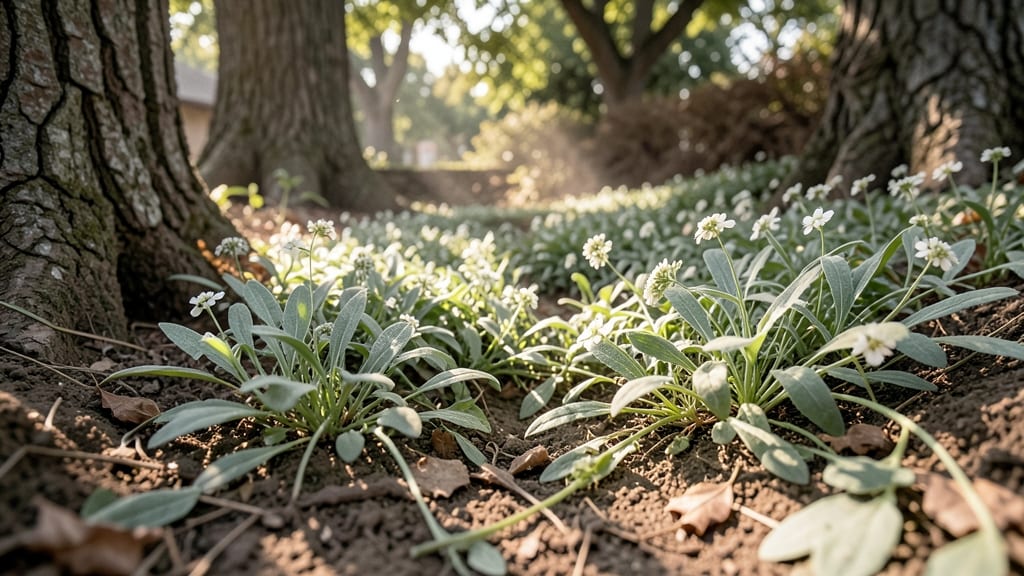
Struggling to make your shady garden spots thrive? These 10 shade-loving perennials bring color, texture, and life to dark corners with minimal care—ideal for busy gardeners and low-light areas.
Hostas for Year-Round Green Foliage
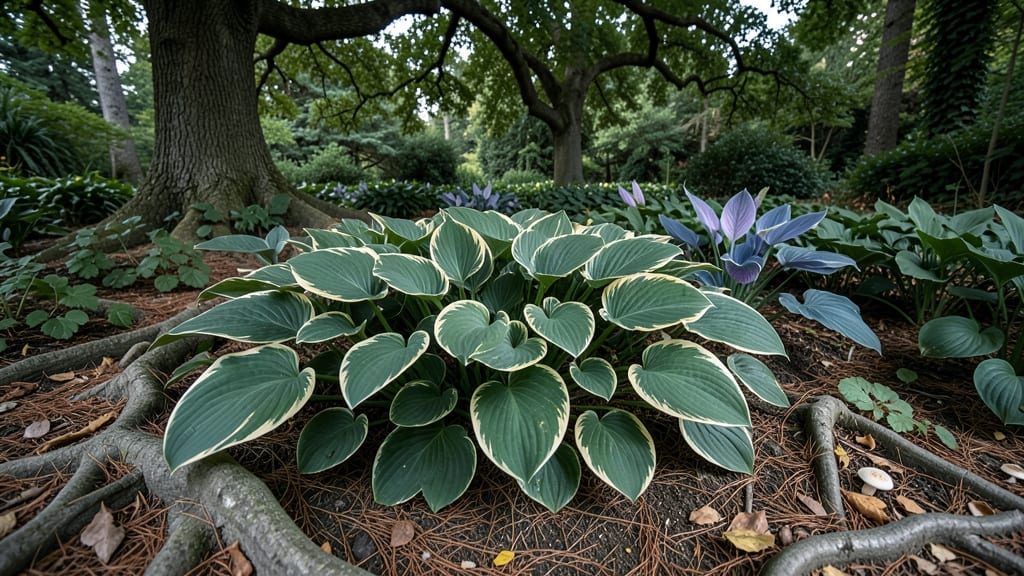
Tired of dull, brown patches under trees? Hostas turn even the darkest corners into lush, green escapes with their bold, variegated foliage that stays vibrant year-round. These shade-loving perennials are the ultimate "set it and forget it" plants, thriving where others fail.
With over 3,000 varieties, you can choose from deep blue-green leaves to golden-edged showstoppers. They spread effortlessly to create stunning ground cover or define borders, while their low-maintenance nature makes them perfect for beginners or busy gardeners. Just keep soil consistently moist and protect them from slugs (a common issue in shady spots).
Hostas are the backbone of any woodland garden, adding structure and texture without demanding attention. Whether you're lining a path or filling a shady bed, these reliable perennials bring life to forgotten spaces with almost no effort. 💚
Hellebores Blooming in Winter
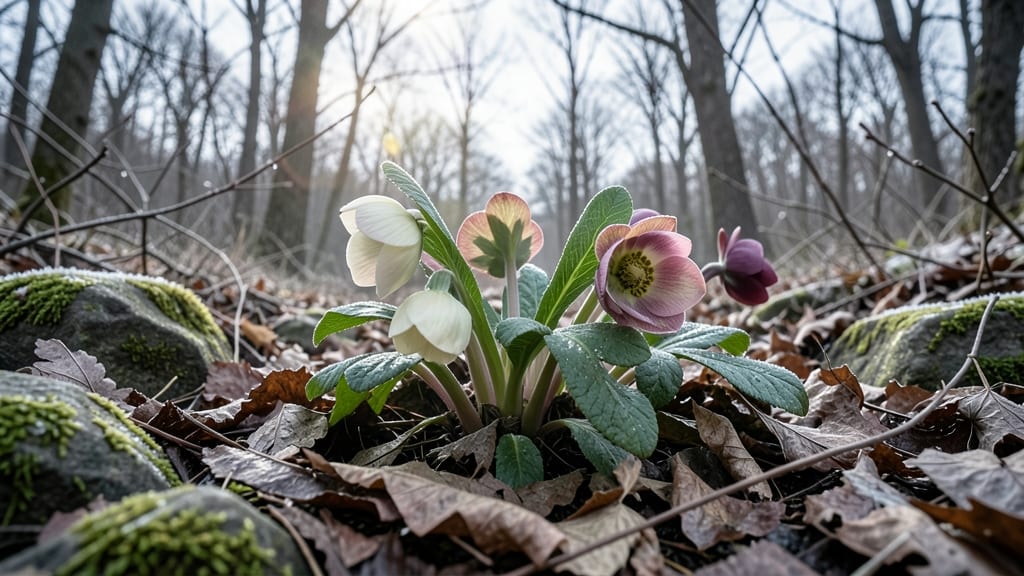
When your garden looks like a monochrome painting in winter, hellebores step in as the unsung heroes—blooming cheerfully even when most perennials are taking a nap. These hardy beauties thrive in partial to full shade, making them perfect for north-facing beds or woodland gardens where sunlight is scarce.
With blooms in shades of white, pink, purple, and green, hellebores offer early-season color (often from late winter to early spring) and even produce foliage that stays attractive year-round. They’re deer-resistant and drought-tolerant once established, requiring only well-draining soil and occasional watering. Plant them in clusters for a dramatic winter display that brightens up dark corners.
Perfect for gardeners who love low-maintenance plants with high impact, hellebores are especially rewarding for those with shady, cold climates where most flowers refuse to cooperate. 🌷
Astilbes with Feather-Light Plumes
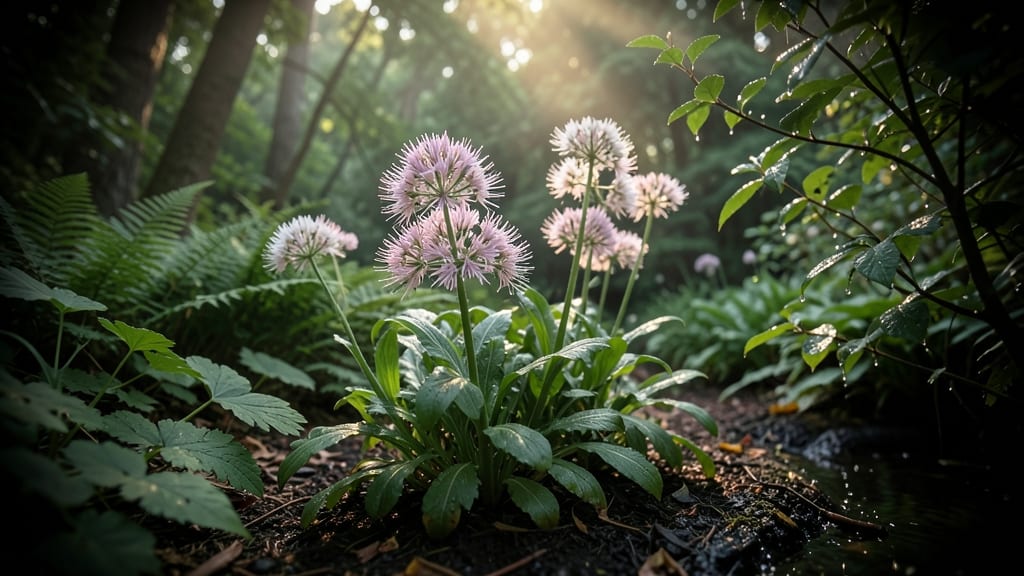
Want to transform a shady, damp corner into a romantic, dreamy retreat? Astilbes bring ethereal plumes of color to moist, low-light spots where other plants struggle—think cottage gardens, pond edges, or woodland understories.
These clump-forming perennials thrive with consistent moisture (they hate drying out!) and prefer partial to full shade, blooming from late spring through summer in shades of pink, white, red, or lavender. Their feathery plumes attract butterflies and add textural contrast to borders, containers, or mass plantings. For best results, amend heavy clay soil with compost and mulch to retain moisture.
Perfect for gardeners who love low-maintenance elegance, astilbes pair beautifully with hostas and ferns. Their airy blooms also make stunning cut flowers—just snip and enjoy their delicate beauty indoors. 🌻
Ferns for Lush Textural Layers
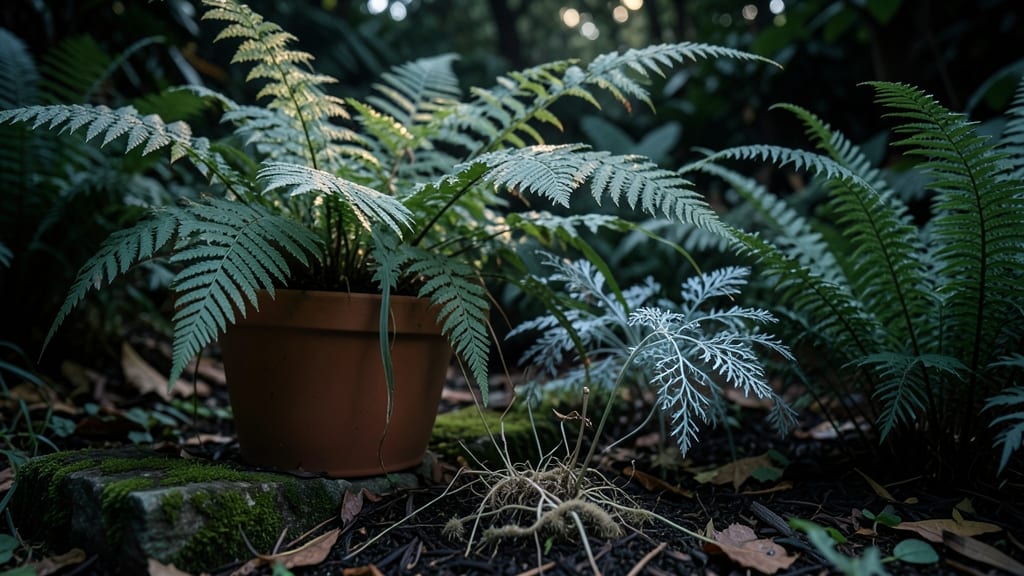
If your shady garden feels flat and lacks movement, ferns are the secret weapon to bring life and texture without the fuss. These ancient plants thrive in low-light conditions, creating a lush, layered look that mimics a serene woodland understory—perfect for containers, borders, or understory plantings.
With varieties like maidenhair ferns (delicate and lace-like) or ostrich ferns (bold and architectural), you can choose based on your garden’s style. Most ferns prefer moist, well-draining soil and benefit from mulch to retain humidity. Their feathery fronds sway gently in the breeze, adding dynamic texture that no static foliage can match.
Ideal for gardeners who want low-maintenance elegance, ferns pair beautifully with hostas and hellebores, creating a cohesive, naturalistic look. They’re also deer-resistant and thrive in year-round shade, making them a foolproof choice for forgotten corners. 🌿
Bleeding Heart with Heart-Shaped Blooms
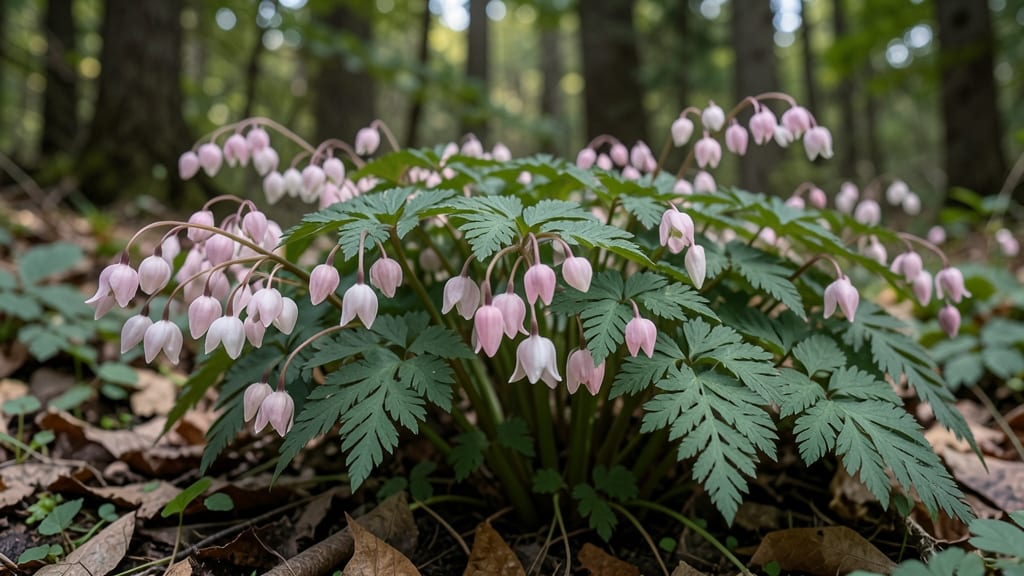
Craving a touch of romance in your shady garden? Bleeding heart (Dicentra spectabilis) delivers cascading clusters of heart-shaped blooms that feel like a whisper of springtime magic. This partial to full shade darling thrives where others struggle, making it perfect for understory plantings, woodland gardens, or as a dramatic backdrop for patios.
Its arching stems (up to 3 feet tall) create natural vertical interest, while blooms in pink, white, or red appear in late spring and early summer. For best results, plant in moist, well-draining soil enriched with organic matter—it rewards patience with three to four weeks of show-stopping flowers. Deadhead spent blooms to encourage a second flush, and divide clumps every 3-4 years to maintain vigor.
Ideal for gardeners who love dramatic yet delicate plants, bleeding heart pairs beautifully with hostas and ferns for a lush, layered look. Just be mindful of deer—this tender beauty may need protection in rural areas. 💚
Lungwort for Healing and Color
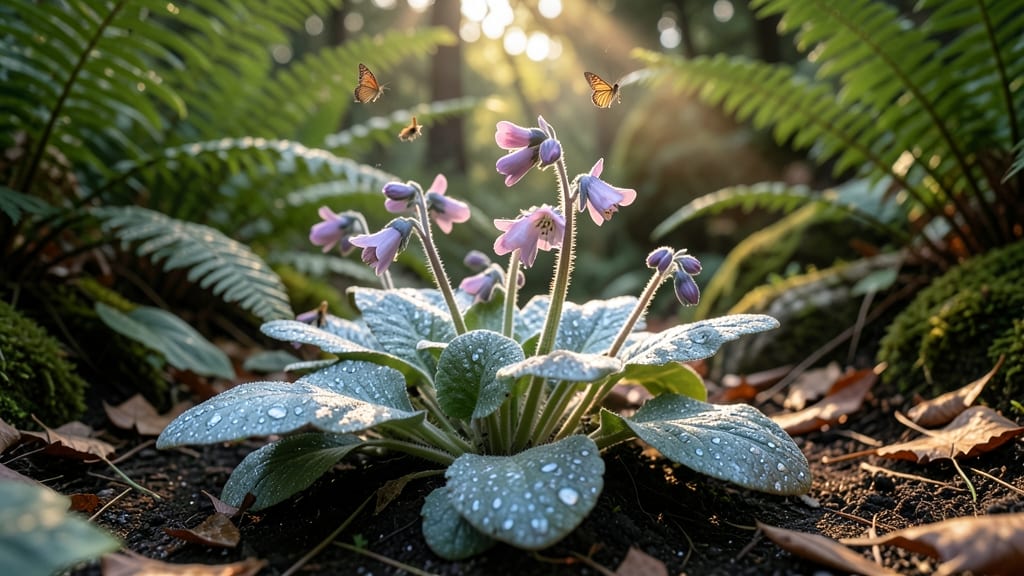
Looking for a shade-loving perennial that’s as beneficial as it is beautiful? Lungwort (Pulmonaria) blends medicinal heritage with stunning foliage and flowers, making it a standout for naturalistic gardens and pollinator-friendly spaces.
This hardy plant thrives in moist, shaded spots where others struggle, producing silver-spotted leaves (hence its nickname "spotted lungwort") and clusters of blue-purple flowers that shift color as they age. Its historical use as a medicinal herb adds a fascinating layer—traditionally used to treat lung ailments (hence its name). Plant it in woodland gardens, understory beds, or near water features for a touch of whimsy and wildlife appeal.
Perfect for gardeners who love low-maintenance plants with dual purpose, lungwort pairs well with ferns and hellebores while attracting bees and butterflies. Its year-round interest ensures your shady garden stays dynamic and alive. 💚
Japanese Painted Fern for Bold Patterns
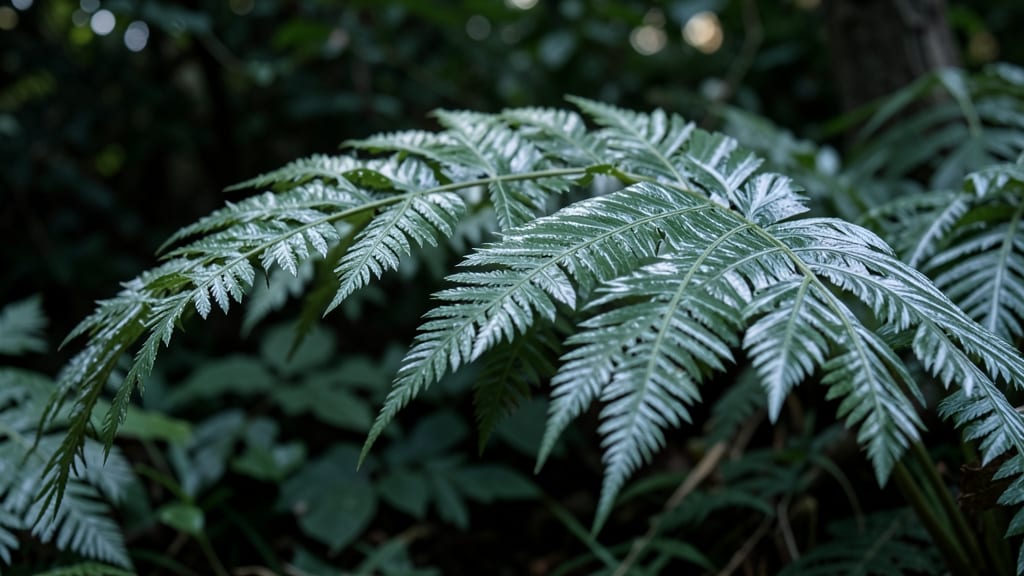
Tired of shady spots that look dull and monotonous? The Japanese painted fern (Athyrium niponicum var. pictum) injects bold, artistic flair with its striking silver-and-green fronds that glow in low light. Unlike other ferns, this variety features dramatic variegated patterns that make it a standout focal point—whether planted in containers, along borders, or as a centerpiece in woodland gardens.
This low-maintenance perennial thrives in partial to full shade and tolerates a wide range of soil types, though it prefers moist, well-draining conditions. Its clumping habit keeps it tidy, and it rarely needs division, making it perfect for gardeners who want beauty without the fuss. For extra drama, pair it with hostas or hellebores to create a layered, high-contrast look that pops in dimly lit areas.
Ideal for urban gardeners with limited space or woodland enthusiasts craving texture, this fern delivers year-round interest with minimal care—just keep the soil consistently moist and watch it thrive. 💚
Solomon’s Seal for Graceful Arches
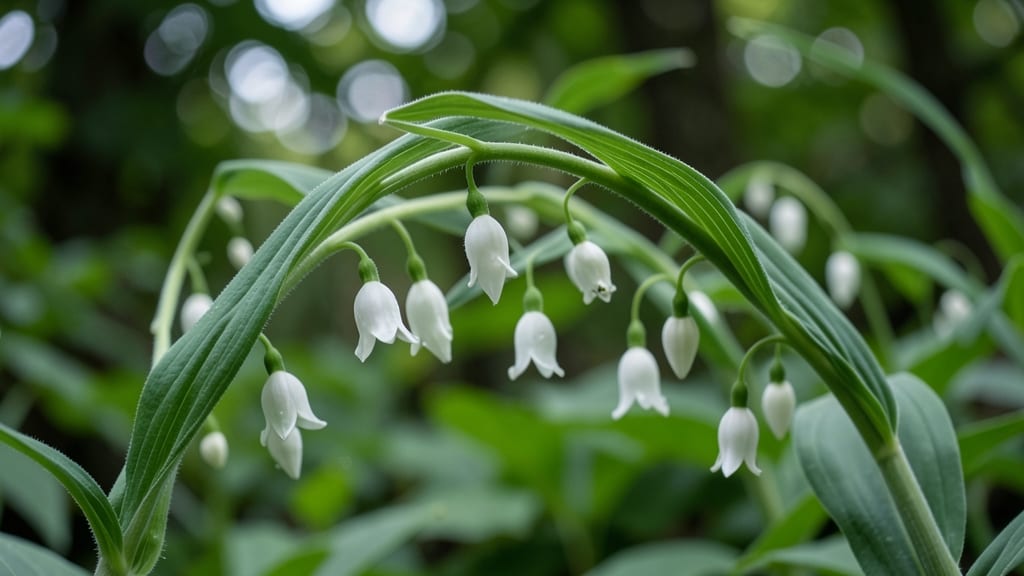
Want to add movement and structure to your shady garden without sacrificing elegance? Solomon’s Seal (Polygonatum) is the answer—its graceful, arching stems create natural curves while dangling clusters of delicate white flowers sway gently in the breeze, transforming dull corners into enchanting woodland scenes.
This partial-shade specialist thrives in moist, well-draining soil and tolerates both dry and damp conditions once established. Its evergreen or semi-evergreen foliage (depending on variety) provides year-round interest, while its spring-to-early summer blooms attract hummingbirds and bees. Plant in clusters along pathways or at the edge of woodland gardens to create a flowing, layered effect that feels both wild and intentional.
Perfect for gardeners who love low-maintenance plants with architectural flair, Solomon’s Seal pairs beautifully with hostas and ferns while requiring minimal care—just divide clumps every few years to keep them vigorous. Its adaptability makes it ideal for urban gardens, shady patios, or any spot where you want to soften hard edges with natural grace. ✨
Coral Bells with Vibrant Foliage
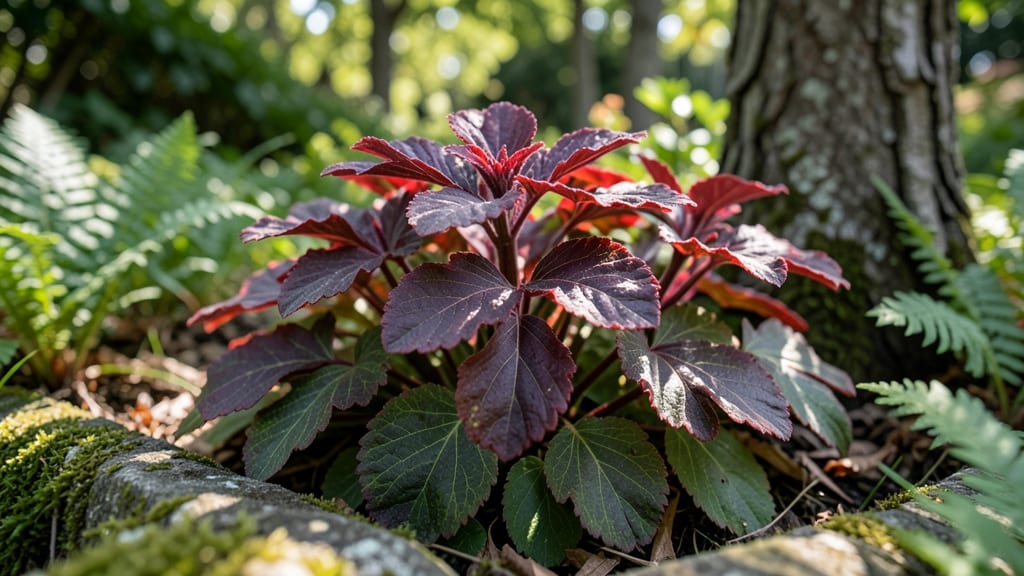
Need a shade-loving perennial that thrives without the fuss of constant watering? Coral bells (Heuchera) deliver bold foliage in deep purples, fiery reds, or lush greens—perfect for brightening up dark corners while demanding almost no attention. Unlike moisture-loving plants, these drought-tolerant beauties handle dry spells like a pro, making them ideal for containers, rock gardens, or ground cover in spots where sunlight barely reaches.
Coral bells shine in partial to full shade and prefer well-draining soil, though they’re forgiving once established. Their clumping habit keeps them tidy, and their delicate flowers (in spring or summer) add a subtle bonus. For extra drama, pair them with Japanese painted ferns or hostas—their contrasting textures create a stunning layered effect. Prune spent flower stalks to encourage fresh foliage growth, but otherwise, these perennials reward patience with year-round color and minimal upkeep.
Urban gardeners with limited space or woodland enthusiasts craving low-maintenance color will love coral bells—they’re the perfect way to add visual punch without the hassle. Just plant, water occasionally, and enjoy the show. 🌟
Sweet Woodruff for Fragrant Ground Cover

Want to turn a shady, dry corner into a fragrant escape? Sweet woodruff (Galium odoratum) spreads effortlessly while filling your garden with a subtle, vanilla-like scent that intensifies when the foliage is crushed. This charming ground cover thrives where others fail—under trees, along pathways, or in woodland gardens—without demanding rich soil or constant watering.
With delicate white flower clusters in spring and lush, trailing foliage, it creates a soft carpet that brightens dim spaces. Unlike moisture-loving perennials, sweet woodruff tolerates dry shade, making it perfect for urban gardens or areas with poor drainage. Simply plant it in clusters and let it spread naturally—it self-seeds happily and suppresses weeds while doing so.
Ideal for gardeners who love low-maintenance fragrance, sweet woodruff pairs beautifully with hostas and ferns. Its gentle scent also repels pests like slugs, adding another layer of benefit to this versatile plant. 🌿