
How To
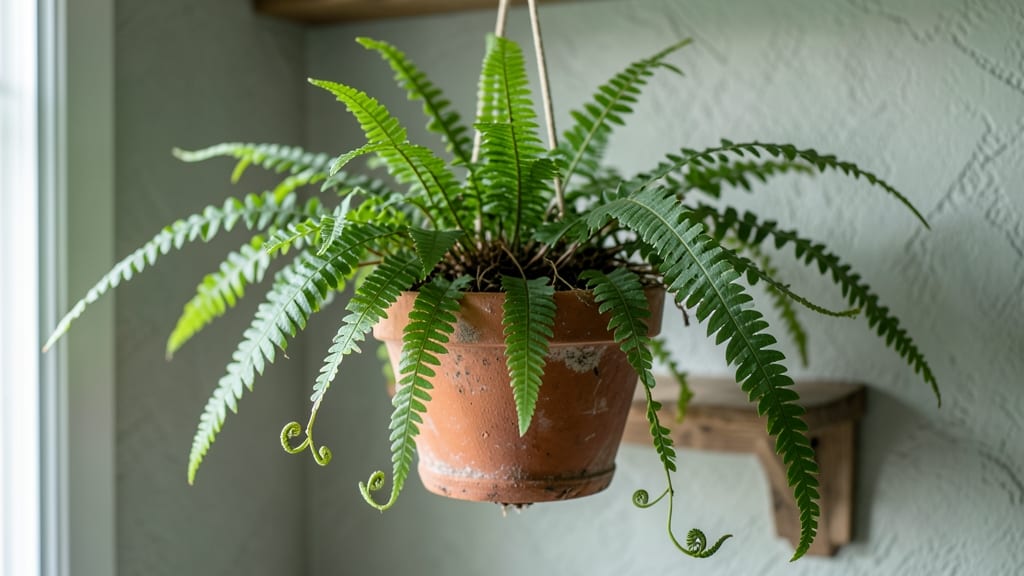
A Boston fern thrives in shade or sun—but only the right kind of shade and filtered sun 🌿. Too much direct light, and those lush fronds crisp up like toast.
Struggling to keep your Boston fern thriving? The battle between sun and shade might be the hidden culprit behind its wilting fronds. What you need is bright, indirect light—think dappled sunlight through sheer curtains or a north-facing window.
Indoor plants often suffer from too little light, while outdoor ferns can scorch under harsh afternoon rays. The key is finding that sweet spot where your Boston fern gets enough light to grow but stays protected from the sun’s harshest glare.
In this guide, I’ll break down the exact light conditions your fern craves, how to spot when it’s getting too much or too little, and where to place it—whether indoors or out—for year-round lushness.
 Best Window Placement
Ideal light conditions for Boston ferns: sun vs shade balance explained
Boston ferns (Nephrolepis exaltata) are delicate divas when it comes to light—give them too much sun, and their fronds crisp up like toast. Too little light, and they stretch out weakly, begging for more.
The secret lies in bright indirect light with partial shade protection, mimicking their native forest floor habitat where dappled sunlight filters through canopies.
Direct sunlight is their worst enemy, causing brown leaf tips and leathery fronds as moisture evaporates faster than your watering can refill. Even a few hours of afternoon sun can scorch their lush green foliage, turning vibrant green into sad, crispy brown.
Think of it like sunburn for plants—painful and irreversible.
On the opposite end, low-light conditions (like deep shade) make Boston ferns grow slowly and leggy, with fronds that look more like spaghetti strands than the feathery plumes we love.
Their growth rate plummets, and they become susceptible to pests like spider mites, which thrive in dusty, dim environments.
Here’s the golden rule: 60% shade, 40% bright indirect light. This balance keeps your Boston fern thriving year-round, whether indoors near a window or outdoors under a tree canopy. Let’s break it down in a way that makes spotting the perfect spot effortless.
Indoors, the best window for Boston ferns is a north-facing one, where sunlight is gentler and less intense. Place your fern 3–6 feet away from the glass to filter the light naturally.
If you only have south-facing windows, hang a sheer curtain to diffuse the harsh rays—this is non-negotiable for preventing leaf scorch.
Outdoors, mimic their forest floor home by positioning them under deciduous trees (like maples or oaks) where sunlight is dappled and shifting. Avoid evergreens, which block too much light year-round.
In containers, rotate your pot quarter-turns weekly to ensure even light exposure—uneven growth is a dead giveaway that one side is getting more sun.
Pro tip: If your Boston fern starts developing brown tips in summer, it’s a cry for help—move it to a shadier spot immediately. In winter, when light is scarce, supplement with a 12-hour grow light (LED bulbs work best) to keep those fronds perky.
Think of it as giving your fern a mini vacation from the harshest elements.
For container gardening, terracotta pots are ideal—they breathe better than plastic, preventing root rot from overwatering (a common issue when light is insufficient). Pair your Boston fern with hostas or impatiens, which share similar shade-loving traits.
This creates a harmonious microclimate where humidity stays high and light conditions are balanced.
Remember: Boston ferns are not sun-seekers—they’re shade-loving divas that reward patience with vibrant, feathery fronds. Once you nail the light balance, you’ll have a lush, year-round green machine that’s the envy of every plant lover. 🌿
Signs your Boston fern needs more or less light (and how to fix it)
Your Boston fern might look stunning in catalogs, but when it starts showing yellow fronds or crispy edges, it’s often a cry for help with light conditions. Too much sun causes brown tips, while too little shade leads to leggy growth and pale leaves.
The key is finding that sweet spot of bright indirect light—like morning sun filtered through sheer curtains.
First, check your fern’s current location. If it’s near a south-facing window with harsh afternoon rays, those crispy edges are a dead giveaway. On the flip side, if it’s tucked in a dim corner with slow growth and stretched fronds, it’s begging for more light.
The good news? Fixing these issues is easier than you think with a few simple adjustments.
🌿 Quick Fixes for Boston Fern Light Stress
Move to indirect light or use sheer curtains.
Rotate plant quarter-turn weekly or use a grow light.
Trim damaged fronds immediately and check watering habits.
💡 Pro Tip: Boston ferns thrive in 60-70% humidity. Use a pebble tray with water to mimic their natural jungle habitat.
If your fern is suffering from sunburn, the first step is to relocate it to a shadier spot. A north-facing window or a few feet away from an east- or west-facing one is ideal.
For indoor growers, DIY light filters like cheesecloth or white sheer curtains can diffuse harsh rays without sacrificing brightness.
On the other hand, if your fern is stretching toward the light like a sleepy cat reaching for a sunbeam, it’s time to supplement its light source. A grow light on a timer (12-14 hours daily) works wonders, or simply rotate the pot quarter-turn weekly to ensure even growth.
Avoid placing it directly under fluorescent lights, which can cause bleached fronds.
Don’t forget to prune damaged fronds—this isn’t just for looks! Trimming brown or yellow tips encourages new growth and helps your fern focus its energy on recovery.
Use clean, sharp scissors and cut just above a healthy leaf node. This small act can make a huge difference in your fern’s revival.
Lastly, monitor your fern’s progress over 2-4 weeks after making changes. If you’ve moved it to a better spot and it’s still struggling, consider adjusting humidity levels or checking for pests like spider mites, which thrive in dry conditions.
A happy Boston fern is a lush, vibrant one—so keep experimenting until you find its perfect light balance! 🌱