
Shrubs
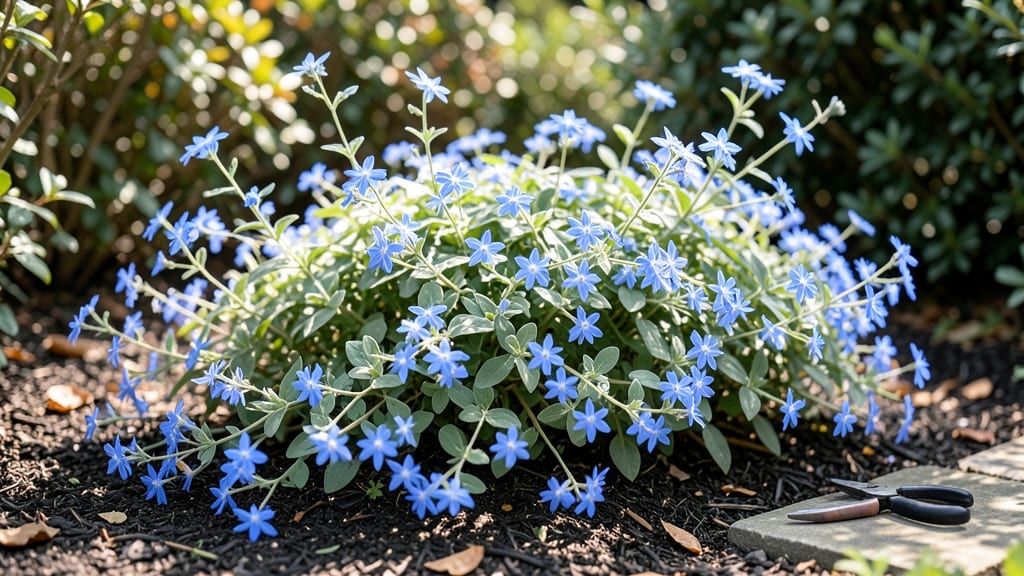
Blue star creeper thrives best in partial shade with 3-6 hours of morning sun 🌸 — the key to keeping its delicate foliage vibrant and its growth vigorous.
Struggling to decide whether your blue star creeper (Isotoma fluviatilis) thrives better in sun or shade? This fast-growing ground cover could make or break your garden's curb appeal—if planted in the right conditions.
Too much direct sun scorches its leaves, while deep shade slows its spread, turning it into a less lush ground cover. The trick is finding that sweet spot of dappled light, especially in USDA Zone 6a and warmer.
Below, I break down how to spot light stress, adjust for seasonal changes, and even use it in containers where shade dominates. Let’s get your blue star creeper looking its best!
 Best Window Placement
Blue star creeper sun vs shade requirements: what the experts recommend
Deciding whether your blue star creeper (Isotoma fluviatilis) prefers sun or shade can feel like a guessing game. The truth? This versatile ground cover adapts beautifully to partial shade, but its light needs shift dramatically from seedling to maturity.
Understanding these stages helps you position your plant for optimal growth and vibrant blooms—without risking sunburn or leggy, weak stems.
Most gardeners assume blue star creeper thrives in shade because it naturally grows under forest canopies in its native Australia. However, experts agree it can tolerate 3-6 hours of morning sunlight in warmer climates (USDA zones 8-10).
The key lies in balancing light exposure with temperature and humidity levels to prevent stress during heatwaves.
For seedlings and young plants, prioritize bright, indirect light (like an east-facing window or 50% shade cloth). Direct sun at this stage can scorch tender leaves, while too little light leads to stunted growth and pale foliage.
Mature plants, however, handle more sunlight—especially if given afternoon shade during peak summer months.
Here’s where many gardeners go wrong: assuming "shade" means deep darkness. Blue star creeper needs dappled light, not the dense shade of a thick tree canopy.
Think of it like a sunbathing scenario—it enjoys morning rays but retreats from the afternoon heat, much like a coffee lover who avoids espresso after lunch.
Seasonal shifts are critical for blue star creeper care.
In summer months (June-August), provide afternoon shade to prevent heat stress, especially in zones 8-10 where temperatures exceed 90°F. I’ve seen firsthand how dappled shade from a lattice or sheer curtain transforms a struggling plant into a lush, flowering ground cover within weeks.
Conversely, winter light requirements change dramatically. While mature plants tolerate cooler temperatures, they need more light during dormancy (December-February) to prevent etiolation—that sad, stretched-out growth pattern. Place containers near south-facing windows or supplement with LED grow lights for 12-14 hours daily in zones 6-7.
Pro tip: Monitor leaf color as your best indicator. Healthy blue star creeper leaves should be a vibrant deep green with slight purple undertones. If you notice yellowing between veins, it’s a classic sign of too much direct sun.
For shade stress, look for pale, sparse foliage and fewer flowers—a clear cue to move your plant closer to a light source.
When in doubt, test your spot for 2-3 weeks before planting. Place a white piece of paper in the proposed location at noon—if it casts a sharp shadow with no dappling, it’s too harsh.
For ideal conditions, aim for a soft-edged shadow, like what you’d get under a light canopy tree.
Remember, blue star creeper is forgiving but not invincible. With the right light balance, you’ll enjoy year-round blooms and a dense ground cover that outcompetes weeds. Start with partial shade, observe your plant’s response, and adjust gradually—your garden will thank you with vibrant blue flowers from spring to frost.
Best hardiness zones for blue star creeper growth: a state-by-state guide
Blue star creeper (Isotoma fluviatilis) thrives in USDA hardiness zones 7-10, making it perfect for gardeners in warm coastal areas and mild inland climates. Its adaptability lets it flourish from California’s coastal fog belts to Florida’s humid subtropical regions, but microclimates can shift its ideal conditions.
In coastal zones, like Southern California or Oregon, blue star creeper handles morning sun and afternoon shade beautifully due to ocean breezes that prevent overheating. Meanwhile, inland areas in Texas or Arizona require partial shade year-round to avoid leaf scorch from intense desert sun.
| Region | USDA Zone | Sun/Shade Needs | Microclimate Tips |
|---|---|---|---|
| Pacific Northwest (WA, OR) | 7-9 | Partial shade (3-6 hrs sun) | Use dappled shade in hot valleys |
| California Coastal | 8-10 | Morning sun, afternoon shade | Avoid midday heat with tall shade trees |
| Southeast (FL, GA) | 8-10 | Partial shade (filter sun) | Mulch heavily to retain moisture |
| Southwest (AZ, TX) | 8-10 | Dappled shade (50% cover) | Water deeply at dawn to prevent evaporation |
| Mid-Atlantic (NC, VA) | 7-8 | Partial shade (east-facing) | Protect from winter winds with evergreen barriers |
For coastal gardens, I recommend planting blue star creeper near north-facing walls or under large deciduous trees to balance sun exposure. In inland desert climates, pair it with succulents or lavender to create a drought-tolerant ground cover that thrives in partial shade.
In USDA zone 7, like North Carolina or Tennessee, blue star creeper handles light frost but needs spring mulching to protect roots. For zone 10 areas like Southern Florida or Hawaii, prioritize afternoon shade to prevent heat stress during summer months.
Always test your local microclimate by observing how nearby plants react—if hostas or ferns thrive nearby, your blue star creeper will too! Adjust placement if you notice yellowing leaves or stunted growth.
With the right zone-specific care, your blue star creeper will spread 3-4 feet wide in just one season, creating a lush, low-maintenance ground cover that blooms year-round in warm climates. 🌿