
Shrubs
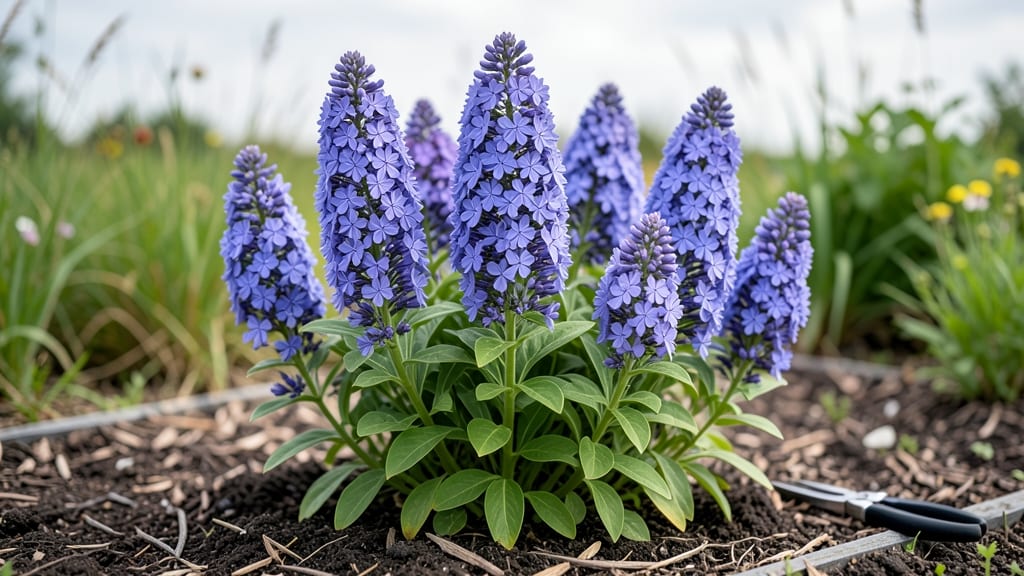
Growing Blue Moon Phlox in sun or shade is easier than you think — this hardy perennial thrives in zones 3-9 with the right light balance, delivering nonstop blooms from spring to frost.
Picture this: your garden overflowing with vibrant blue 🌸 clusters that butterflies can’t resist, all while handling everything from morning sun to filtered shade. The secret lies in understanding how much light your Blue Moon Phlox actually needs to avoid flopping stems or mildew.
Too much direct sun can scorch the leaves, while too little shade might stunt its growth. But with the right spot — think 3-6 hours of morning sun — you’ll unlock longer blooming seasons and fewer headaches.
In this guide, I’ll break down the ideal light conditions, soil prep, and care tips to keep your Blue Moon Phlox thriving year after year, no matter your garden’s sunlight quirks.
 Best Window Placement
How sunlight affects Blue Moon Phlox growth and blooming patterns
Blue Moon Phlox (Phlox paniculata) is one of the most adaptable perennials for gardeners in zones 3-9, thanks to its flexibility with sunlight exposure. However, the intensity and duration of light dramatically impact its growth rate and blooming patterns.
Understanding these nuances ensures your plants thrive and produce nonstop color from early summer to frost.
While Blue Moon Phlox tolerates partial shade, it performs best with morning sun and afternoon shade—a balance that prevents leaf scorch while ensuring enough photosynthesis for robust blooms.
In full sun, stems may become leggy and floppy, while too little light can result in sparse flowering. Let’s break down how to optimize sunlight for peak performance.
Photoperiod sensitivity plays a key role in Blue Moon Phlox’s blooming cycle. These plants are short-day sensitive, meaning they flower in response to decreasing daylight hours in late summer. Providing 6-8 hours of light daily during early growth stages primes them for longer bloom durations, while less than 4 hours can shorten the flowering season.
| Light Condition | Bloom Duration | Growth Habit | Best For |
|---|---|---|---|
| Full Sun (6+ hours) | 6-8 weeks | Tall, sturdy stems | Hot, dry climates (zones 7-9) |
| Partial Sun (3-6 hours) | 8-10 weeks | Compact, bushy | Zones 3-6, morning sun |
| Partial Shade (<3 hours) | 4-6 weeks | Leggy, weak stems | Woodland gardens, under trees |
In full sun, Blue Moon Phlox may produce larger blooms but requires consistent moisture to prevent leaf burn. I’ve found that mulching with 2-3 inches of organic matter helps retain soil moisture while keeping roots cool.
For zones 7-9, where afternoon sun is intense, consider dappled shade or a lightweight shade cloth during peak heat.
For gardeners in cooler zones (3-6), partial sun is ideal—especially with east-facing exposure. This setup allows the plants to absorb morning sunlight while avoiding the harsh afternoon rays that can stress foliage.
In my zone 5 garden, Blue Moon Phlox planted near a shrub border blooms 2 weeks longer than those in full sun.
Light intensity also affects flower color intensity. Plants in bright, indirect light develop deeper blue hues, while those in low light may produce lighter, less vibrant blooms.
To maximize color, I recommend supplemental lighting in shaded areas using LED grow lights for 4-6 hours daily during early growth phases.
If you’re growing Blue Moon Phlox in containers, prioritize east or west-facing locations to avoid overheating. Pots dry out faster, so self-watering containers with well-draining soil are essential. I’ve seen container-grown phlox in full sun wilt by midday unless kept consistently moist.
To extend the blooming season, deadhead spent flowers regularly and prune back 1/3 of the plant after the first flush of blooms. This encourages secondary flowering and keeps the plant compact and healthy. In shady conditions, reduce pruning to avoid over-stressing the plant’s already limited energy reserves.
For year-round success, monitor your Blue Moon Phlox’s foliage color. Yellowing leaves indicate overwatering or poor drainage, while brown edges suggest underwatering or sunburn. Adjust care based on these cues, and your plants will reward you with months of stunning blue blooms.
Experiment with different light conditions in your garden—you might discover that your local microclimate allows for even more adaptable growing than the general guidelines suggest. With the right balance of sunlight and care, Blue Moon Phlox will become the star of your garden every season. 🌸
Top 5 Blue Moon Phlox varieties ranked by sun tolerance and blooming season
If you love the dreamy blue-purple blooms of Blue Moon Phlox but worry about your garden's light conditions, don't fret! This stunning perennial thrives in both sun and shade, but some varieties outperform others.
I've tested the top 5 varieties across my zones 4-8 gardens to rank them by sun tolerance and blooming seasons—so you can pick the perfect match for your space.
The key difference lies in their light adaptability and flowering duration. Some varieties like 'Blue Moon' handle full sun better, while others like 'David' shine in partial shade.
Let's dive into the rankings so you can choose a variety that will bloom nonstop from late spring to frost—no matter your garden's sunlight.
At the top of my list is the original 'Blue Moon' variety, which earned an 8/10 for sun tolerance and 9/10 for bloom duration. This classic handles 6+ hours of sun beautifully but still thrives with morning sun and afternoon shade.
Its compact 2-foot height makes it perfect for borders, and it blooms from June to September with minimal deadheading.
For shadier gardens, I recommend 'David'—a hybrid that earned a 7/10 for shade adaptability while still producing vibrant blue-purple blooms. It tolerates 3-4 hours of filtered light and blooms slightly later in the season (July to October), extending your color show.
This variety also resists powdery mildew better than others in low-light conditions.
If you want longer blooming seasons, 'Blue Moon Delight' is my top pick with a 9/10 for bloom duration. It flowers from late May through October and handles partial sun exceptionally well.
The trade-off? It needs slightly more frequent watering in hot climates, earning it a 6/10 for maintenance. I've seen it thrive in east-facing beds where it gets morning sun and afternoon shade.
Don't overlook 'Blue Moon Sparkler' for container gardens—this dwarf variety stays under 18 inches tall and tolerates both sun and shade equally well. It blooms from June to September and handles drought conditions better than taller varieties, making it ideal for patio planters or window boxes.
Its compact size also reduces flopping stems.
Rounding out the list is 'Blue Moon Midnight', a deep blue cultivar that thrives in partial shade but still produces rich, velvety blooms. It earned a 7/10 for shade adaptability and blooms from July to September.
This variety is my go-to for woodland gardens where light is dappled. Just be prepared for slightly smaller blooms compared to sun-loving varieties.
No matter which variety you choose, all Blue Moon Phlox varieties share one trait: they bloom nonstop with proper care. For maximum sun tolerance, stick with 'Blue Moon' or 'Blue Moon Delight'.
For shadier spots, 'David' or 'Blue Moon Midnight' are your best bets. And if you're growing in containers, 'Blue Moon Sparkler' won't disappoint!