
Vegetables
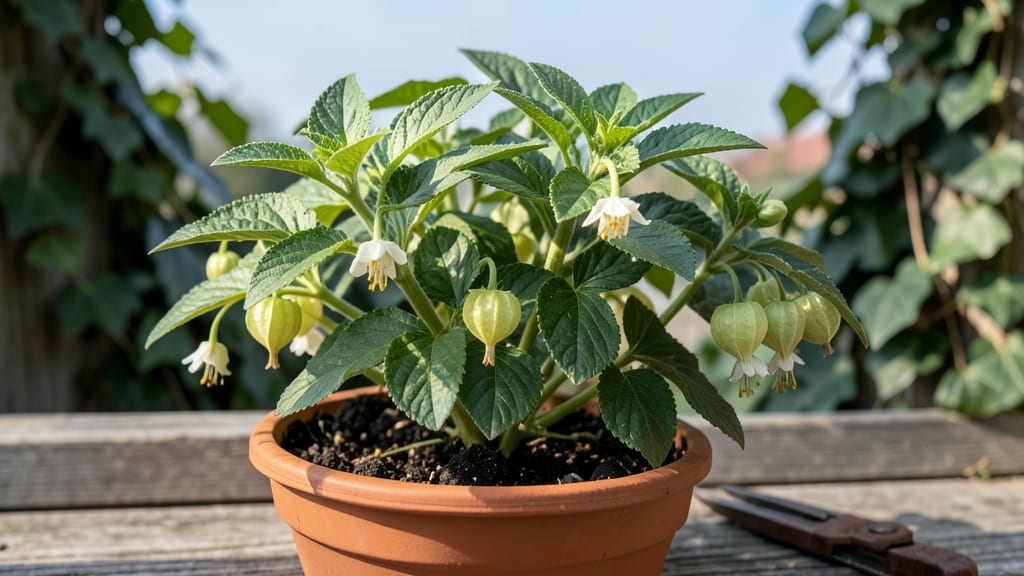
Yes, tomatillos are nightshades—they belong to the Solanaceae family alongside tomatoes, potatoes, and peppers—but their tart flavor, nutritional profile, and culinary uses set them apart from other family members.
Tomatillos share the Solanaceae family with tomatoes and peppers, but their botanical differences start with their papery husks and bright green, tangy flesh. 🌱 Unlike tomatoes, which are sweet and juicy, tomatillos deliver a sharp, citrusy bite that transforms dishes like salsa verde or pozole.
Nutritionally, they pack more vitamin C than tomatoes but less sugar, making them a unique ingredient for both health-conscious and flavor-driven cooks.
What’s fascinating is how their leaves contain solanine—just like potatoes—though the edible fruit itself is completely safe. This chemical distinction explains why tomatillos thrive in similar growing conditions but shine in entirely different recipes.
Their versatility in both Mexican and Central American cuisines proves nightshades aren’t just about tomatoes and peppers.
💡 In This Article
- Botanical Classification: Tomatillos in the Nightshade Family
- Culinary and Nutritional Differences Between Tomatillos and Other Nightshades
Botanical classification: tomatillos in the nightshade family
The Solanaceae family—home to tomatillos—boasts over 2,700 species, including tomatoes, potatoes, and eggplants. What makes tomatillos distinct is their husked fruit, a papery sheath that protects the green, tangy fruit inside. This husk is a key identifier, as most other nightshades (like tomatoes) lack this protective covering.
The fruit itself contains solanine compounds in its leaves and stems, similar to potatoes, but the edible fruit remains safe with 0.002% solanine—far below toxic levels.
Chemically, tomatillos differ from tomatoes in their acid content. While tomatoes contain 0.2-0.5% citric acid, tomatillos pack up to 1.5%, giving them that signature tartness.
Their chemical makeup also includes higher levels of quercetin, a flavonoid linked to anti-inflammatory benefits. 🌱 This explains why tomatillos are often misclassified—their flavor and appearance diverge sharply from their nightshade relatives.
Gardeners often confuse tomatillos with ground cherries (another Solanaceae member) due to their husks, but the key difference lies in the fruit’s texture and flavor. Tomatillos have a crunchy, juicy interior with a pH of 3.5-4.0 (similar to lemons), while ground cherries are sweeter and softer.
This acidity is why tomatillos pair perfectly with chiles and onions in salsas—they balance heat without overpowering.
Another botanical quirk: tomatillos are self-pollinating, unlike tomatoes, which rely on bees. This makes them easier to grow in controlled environments, though they still need 60-80 days to mature.
Their compact size (1-2 inches in diameter) and prolific yields (up to 50 fruits per plant) further set them apart from larger nightshades like eggplants.
What’s often overlooked is how tomatillos’ leaf structure mirrors potatoes more than tomatoes. Their broad, serrated leaves contain glycoalkaloids, which deter pests—nature’s built-in defense. This aligns with potatoes, which also use glycoalkaloids to protect their foliage. Yet, the fruit itself remains a culinary gem, proving nightshades aren’t one-size-fits-all. 💫
For those curious about growing tomatillos, note they thrive in USDA zones 4-10 and prefer full sun with well-draining soil**. Their ability to tolerate cooler temps than tomatoes (down to 30°F) makes them a hardier nightshade.
This resilience, combined with their unique flavor, explains why they’ve become a staple in Mexican cuisine.