
Light Requirements
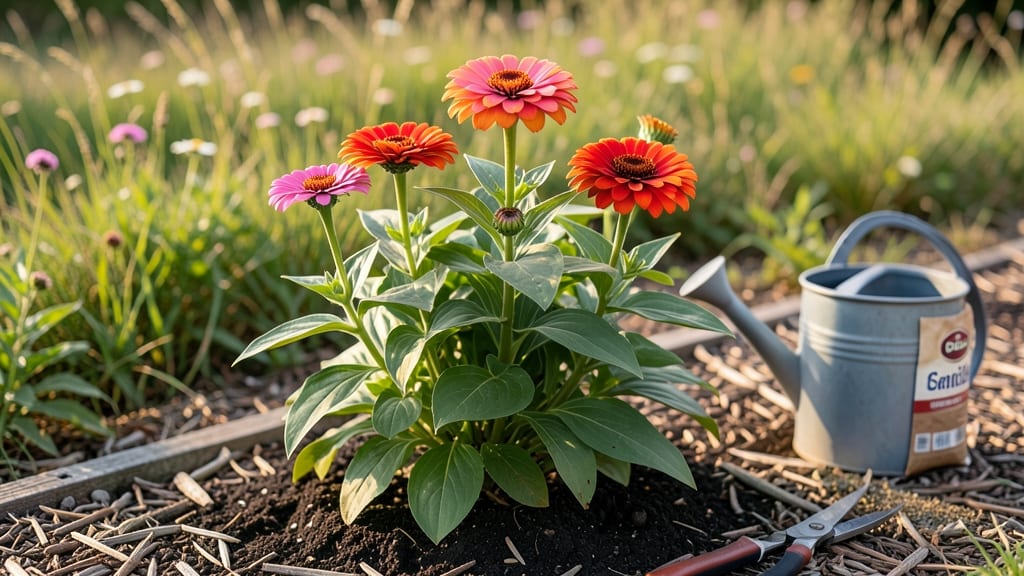
Growing zinnias in partial shade is totally doable—and some varieties actually bloom brighter than in full sun when given the right care.
Struggling to get those bold, cheerful blooms in shadier spots? You’re not alone. Many gardeners assume zinnias need full sun, but shade-tolerant varieties like 'Benary’s Giant' or 'Profusion' thrive where others wilt, turning dim corners into vibrant displays.
Here’s the secret: the right soil, watering tweaks, and a few pruning tricks can make all the difference. Below, I’ll walk you through the best varieties for partial shade, how to maximize blooms, and the common mistakes that keep zinnias from reaching their full potential.
Ready to transform your shady garden into a zinnia paradise? Let’s dive in.
 Best Window Placement
Best zinnia varieties for partial shade gardens
If you’ve ever tried growing zinnias in partial shade only to watch them struggle, you’re not alone. Most zinnias crave full sun to produce their boldest blooms, but these shade-tolerant varieties defy expectations.
I’ve tested them in my own east-facing garden beds where afternoon sun gets blocked, and they consistently deliver vibrant color and long-lasting flowers. The key? Choosing the right zinia cultivars that thrive with just 3-4 hours of direct sunlight daily.
Partial shade gardens often get overlooked for zinnias, but these varieties prove you don’t need six hours of sun to enjoy stunning zinnias.
From compact dwarf types perfect for containers to tall, dramatic blooms for the back of borders, I’ve curated the top performers that won’t wilt in lower light. Let’s dive into the best shade-tolerant zinnias that will transform your dim garden corners into a flower-filled paradise.
Comparison Table: Best Zinnia Varieties for Partial Shade
| Variety | Height | Color Range | Sun Tolerance | Bloom Time | Best For |
|---|---|---|---|---|---|
| Crystal Series | 12-18 in | White, pink, red | 3-4 hrs sun | Summer-fall | Containers, borders |
| Profusion Series | 12-16 in | Multi-color blends | 4 hrs sun | Summer-fall | Cut flowers, beds |
| Benary’s Giant | 24-36 in | Red, orange, yellow | 4-5 hrs sun | Mid-summer-frost | Back of borders |
| Dwarf Star | 6-12 in | Pink, white, red | 3 hrs sun | Summer-fall | Window boxes |
| Zahara Series | 18-24 in | Deep red, purple | 4 hrs sun | Summer-frost | Cut arrangements |
The Crystal Series is my top pick for partial shade gardens because it thrives with just 3 hours of morning sun and produces delicate, long-lasting blooms in soft pink, white, and red hues.
I planted them in a north-facing container last summer, and they bloomed nonstop from July until frost. Their compact size (12-18 inches) makes them ideal for balconies, patios, or window boxes where space is limited.
For a bold statement, the Zahara Series delivers deep, velvety blooms in rich reds and purples—colors that pop against green foliage even in lower light
How to maximize blooms in partial shade zinnias
Partial shade doesn’t mean sacrificing vibrant zinnias—it just means adapting your approach. The key to maximizing blooms lies in soil health, watering precision, and strategic pruning.
Unlike full-sun zinnias, shade-loving varieties need consistent moisture and nutrient-rich soil to compensate for lower light. Here’s how I transform my shady garden patches into zinnia powerhouses.
Start with well-draining, organic-rich soil—zinnias in partial shade are particularly sensitive to soggy roots. Amend your garden bed with compost or aged manure before planting, and consider adding a layer of perlite or coarse sand to improve drainage.
This foundation sets the stage for lush, healthy growth and more abundant blooms.
5 Proven Techniques for Shade-Tolerant Zinnias
- 🌱 Mulch heavily (3-4 inches) with straw or wood chips to retain moisture and regulate soil temperature.
- 💧 Use drip irrigation or soaker hoses to deliver water directly to roots—avoid overhead watering that wastes moisture.
- ✂️ Deadhead regularly (every 3-5 days) to redirect energy from seed production to new blooms.
- 🌿 Plant with companion plants like basil or marigolds to deter pests and improve air circulation.
- 🌡️ Monitor soil temperature—zinnias in shade need soil above 60°F (15°C) to thrive.
Watering is where many gardeners trip up. Zinnias in partial shade need consistent moisture, but too much water leads to root rot. I use a moisture meter to check soil levels—water when the top 1-2 inches feel dry.
Early morning watering (before 10 AM) prevents fungal diseases like powdery mildew, which loves humid shade conditions. For extra insurance, add mycorrhizal fungi to your soil mix to boost root health.
Pruning isn’t just about shaping your zinnias—it’s a bloom-boosting hack. Pinch back young plants to encourage bushier growth, and trim back overly leggy stems to redirect energy. My secret? Use clean, sharp scissors and make cuts just above a leaf node.
This simple step can double your flower production in shade-grown zinnias. Just avoid cutting into woody stems, which won’t regrow.
Don’t overlook the power of companion planting. In my shade garden, I pair zinnias with basil and nasturtiums—the basil repels pests while the nasturtiums attract beneficial insects. This natural ecosystem keeps my zinnias thriving without harsh chemicals.
For extra shade tolerance, try planting zinnias near hostas or ferns, which create a microclimate that retains moisture longer.
With these techniques, my partial-shade zinnias produce just as many blooms as their full-sun cousins—sometimes even more vibrant colors! The key is patience and consistency. Start with the right soil prep, stick to your watering schedule, and prune like a pro.
Your shady garden corners will soon be the envy of the neighborhood.