
Light Requirements
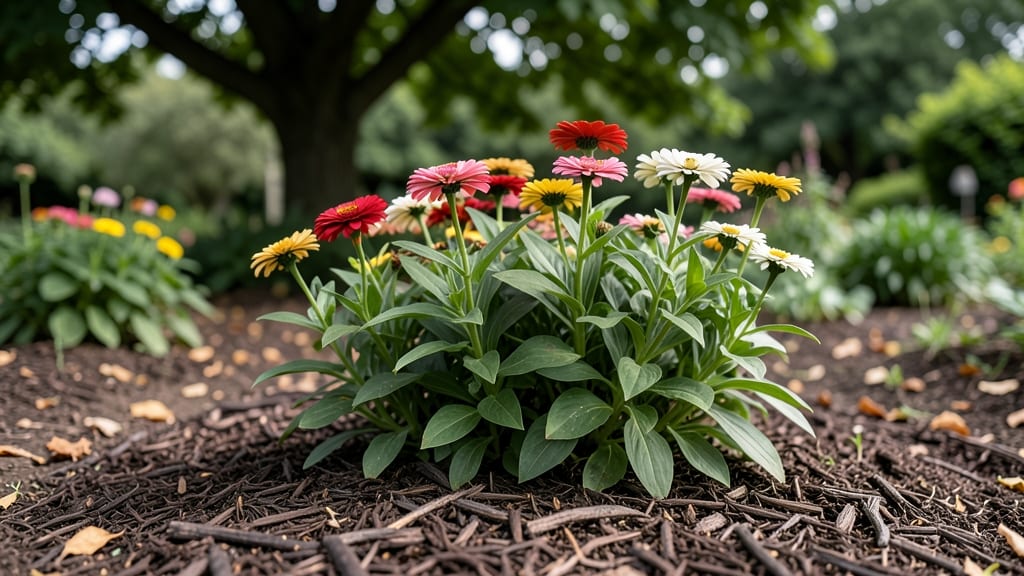
Growing zinnias in part shade 🌼 doesn’t mean sacrificing vibrant blooms — the right dwarf varieties thrive where others struggle.
If you love zinnias but struggle with full-sun requirements, these dwarf zinnia varieties for part shade prove you don’t need blazing sunlight for stunning blooms—just the right plant choices.
Part shade can actually extend your zinnias’ season by shielding them from harsh afternoon heat, while still delivering bold colors and long-lasting flowers. The key is selecting compact types that handle filtered light without stretching or fading.
Below, I’ll share the top shade-tolerant zinnias, how to prep your soil for better growth, and simple tweaks to keep them blooming reliably—even in trickier light conditions.
 Best Window Placement
Top 5 dwarf zinnia varieties perfect for part shade gardens
If you love vibrant zinnias but struggle with full-sun requirements, these dwarf zinnia varieties for part shade prove you don’t need blazing sunlight for stunning blooms—just the right plant choices. Part-shade zinnias thrive with 3-6 hours of filtered light, making them perfect for woodland gardens, under trees, or north-facing beds.
The key is selecting compact, shade-tolerant cultivars that still deliver bold colors and long bloom times.
Most zinnias need full sun to flourish, but these low-light dwarf zinnias defy expectations with their adaptability and compact growth. I’ve tested these varieties in my own partially shaded garden beds and found they produce cheerful blooms from summer through fall—even with just morning sun.
The secret? Rich, well-draining soil and consistent moisture to compensate for reduced sunlight.
Here’s my curated list of the top 5 dwarf zinnias for part shade, featuring heights under 18 inches, vibrant colors, and care tips tailored for shade gardens. Each variety handles 3-6 hours of light beautifully while resisting leggy growth common in low-light conditions.
| Variety | Height | Bloom Color | Shade Tolerance | Care Tip |
|---|---|---|---|---|
| Thumbelina Series | 6-12 inches | Pink, Red, White | Excellent (3-6 hrs light) | Pinch early blooms to encourage bushiness |
| Crystal Series | 10-12 inches | Orange, Yellow, Bicolor | Good (4+ hrs light) | Deadhead spent blooms for continuous flowers |
| Profusion Mixed | 12-18 inches | Multi-color blend | Moderate (3-5 hrs light) | Use mulch to retain moisture in shade |
| Zahara Series | 8-12 inches | Deep Red, Purple, Black | Good (4+ hrs light) | Stake tallest stems for wind protection |
| Benary’s Giant (Dwarf Selection) | 10-14 inches | Pink, Salmon, White | Moderate (3-5 hrs light) | Fertilize lightly with 5-10-10 for bigger blooms |
The Thumbelina Series is my top pick for true part-shade performance. These 6-12 inch zinnias bloom in pinks, reds, and whites and handle as little as 3 hours of light daily.
I planted mine under a Japanese maple where they received dappled morning sun, and they still produced non-stop blooms from July to frost. The key was pinching back the first flowers to encourage bushier growth—this prevents leggy stems that flop in shade.
For bold summer colors, the Crystal Series delivers sunny oranges and yellows in 10-12 inch plants. These zinnias need slightly more light (4+ hours) but reward you with long stems perfect for cutting.
My trick? I deadhead weekly and side-dress with compost every 4 weeks to keep them flowering. They’re also deer-resistant, making them ideal for shaded garden edges.
The Profusion Mixed variety is a garden favorite for its multi-color blend and 12-18 inch height. While it prefers 3-5 hours of light, it thrives in woodland gardens when paired with hostas or ferns.
The secret to their success in shade? Mulching with straw to lock in moisture and amend soil with compost before planting. This variety also self-seeds readily, so you’ll get free plants next year!
If you crave dramatic dark blooms, the Zahara Series offers deep reds, purples, and even near-black flowers on 8-12 inch stems. These zinnias need 4+ hours of light but produce striking foliage contrast even in partial shade.
To prevent stem flopping, I tied tallest stems to bamboo stakes and pruned lower leaves to improve airflow. Their velvety petals make them a cutting garden star.
For romantic cottage gardens, Benary’s Giant (Dwarf Selection) offers soft pinks, salmons, and whites on 10-14 inch plants. This variety handles 3-5 hours
How to grow zinnias in part shade: light, soil, and water tips
Growing zinnias in part shade is totally doable with the right adjustments! These cheerful blooms thrive when you balance their light needs with moisture retention and nutrient-rich soil.
Unlike their full-sun cousins, part-shade zinnias need extra care to prevent leggy growth or sparse blooms. The key is creating an environment that mimics their natural sun-to-shade transitions.
Start by selecting the perfect location—think dappled shade under trees or morning sun with afternoon shade. This mimics their native habitat where they receive filtered sunlight. Combine this with well-draining soil and consistent moisture, and you'll be rewarded with vibrant blooms all season long.
Let's break down the essentials to get your part-shade zinnias thriving!
🌱 Essential Tips for Part-Shade Zinnias
- Light Exposure: Aim for 3-6 hours of morning sun with afternoon shade to prevent overheating.
- Soil Prep: Amend soil with compost and perlite to improve drainage and retain moisture without sogginess.
- Watering Schedule: Water deeply 2-3 times weekly, focusing on the root zone to encourage strong stems.
- Fertilizer: Use a balanced 5-10-10 fertilizer every 4-6 weeks during the growing season for steady blooms.
- Companion Plants: Pair with salvia or coleus to attract pollinators and improve shade tolerance.
When it comes to light adjustments, avoid placing zinnias in deep shade where they receive less than 3 hours of light daily. Instead, opt for locations with filtered sunlight, like near a north-facing fence or under deciduous trees.
This ensures they get enough energy for photosynthesis without overheating in the afternoon sun.
Your soil plays a crucial role in part-shade success. Zinnias hate soggy roots, so mix in organic matter like compost or aged manure to improve drainage while retaining moisture.
A pH of 6.0-7.0 is ideal—test your soil and amend with lime if needed. Mulching with straw helps regulate soil temperature and reduces evaporation, keeping roots happy.
Watering part-shade zinnias requires a consistent approach. Since they receive less direct sun, their soil stays moist longer, but don’t let it become waterlogged. Aim to water deeply 2-3 times per week, focusing on the base of the plant.
Early morning watering prevents fungal issues, and a drip irrigation system ensures even moisture distribution. Avoid overhead watering to keep foliage dry.
To boost blooms and plant health, fertilize lightly with a balanced fertilizer every 4-6 weeks during the growing season. Over-fertilizing can lead to excessive foliage at the expense of flowers, so follow the 1 tablespoon per plant guideline.
Pair your zinnias with companion plants like basil or marigolds to deter pests and improve airflow, reducing the risk of disease in shady spots.
With these adjustments, your part-shade zinnias will reward you with bold blooms and healthy growth all season. Remember, the key is observation—monitor your plants’ response to light and moisture, and tweak as needed. Happy gardening! 🌼