
Shrubs
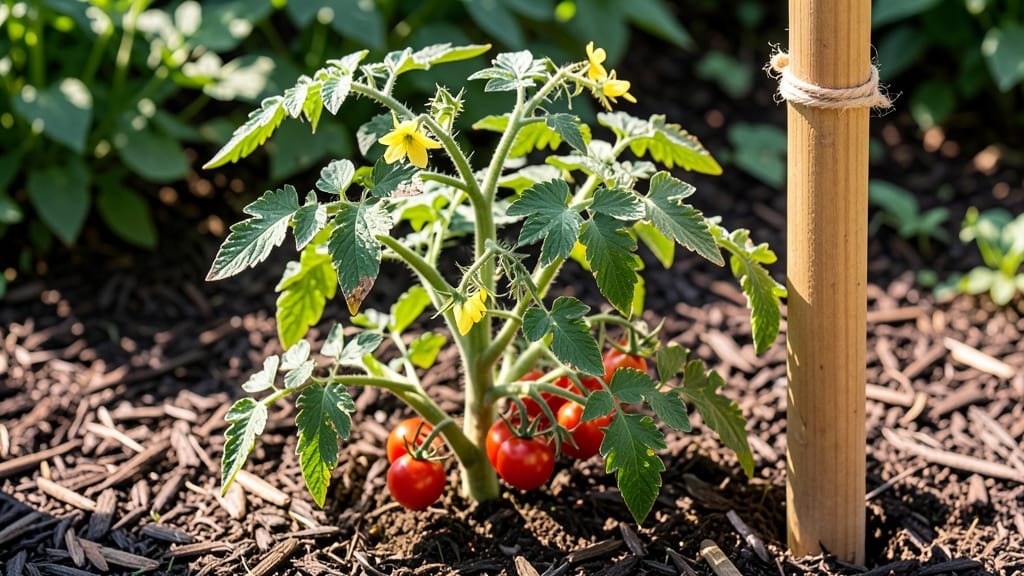
Growing tomatoes in sun or shade makes all the difference between a bursting vine and a sad, leafy plant with no fruit.
Picture this: your 🍅 seedlings look healthy, but by summer, they’re stretching like they’re reaching for something—only to produce tiny, pale tomatoes (or none at all). That’s the classic sign of a light mismatch, and it’s easier to fix than you’d think.
Tomatoes crave full sun—at least 6 to 8 hours daily—but not every garden gets that. The good news? With the right tricks, you can still grow juicy, flavorful tomatoes, even in partial shade.
Whether you’re dealing with a shady patio, a north-facing plot, or just a few hours of direct light, I’ll show you how to maximize your harvest without burning the leaves.
You’ll learn the exact signs your tomatoes are begging for more (or less) light, plus proven fixes like container placement, reflective surfaces, and shade-tolerant varieties that actually work. No more guessing—just a foolproof plan for tomatoes that thrive, no matter where you garden.
 Best Window Placement
How much sun do tomatoes need for optimal growth and fruit production?
Tomatoes are sun-worshippers, and their fruit production depends heavily on light exposure. While most varieties thrive with 6-8+ hours of direct sunlight daily, the intensity and quality of that light matter just as much as the quantity.
Without enough sunlight, your plants may produce fewer fruits, develop weak stems, or struggle to set blossoms at all.
Photosynthesis is the secret weapon behind tomato growth. In bright, direct sunlight, tomato plants convert carbon dioxide and water into energy at peak efficiency, fueling both leafy growth and fruit development. When light levels drop—especially in partial shade—photosynthesis slows, leading to stunted growth and poor yields.
Here’s the catch: not all sunlight is equal. Morning sun (before 10 AM) is gentler and helps prevent sunburn, while afternoon sun (after 2 PM) can be intense, especially in hot climates. Balancing these factors ensures your tomatoes grow strong without stress.
Now, let’s break down the sunlight requirements for tomatoes in a clear, actionable way. The table below summarizes what you need to know for optimal growth and harvest.
For most gardeners, 6-8 hours of direct sunlight is the sweet spot for tomatoes. This range ensures strong stems, abundant flowering, and high-quality fruits. If your tomatoes receive less than 6 hours of sun daily, you’ll likely see leggy stems, fewer blossoms, and poor fruit set.
Leggy growth is a classic sign of light deficiency. When tomatoes stretch toward light sources, they become weak and prone to breaking. Additionally, insufficient sunlight reduces the plant’s ability to produce carbohydrates, which are essential for fruit development.
This often results in blossom drop, where flowers form but fail to turn into tomatoes.
On the flip side, too much intense afternoon sun—especially in hot climates—can cause sunburn on fruits and leaves. This appears as white or yellow patches on the skin and can reduce both yield and flavor.
To mitigate this, provide afternoon shade using lightweight shade cloth or plant taller crops nearby to filter the light.
If you’re growing tomatoes in a container, ensure the pot is placed in the sunniest spot available. Containers heat up faster than garden beds, so rotate them occasionally to expose all sides to sunlight evenly.
For indoor growers, supplement natural light with LED grow lights (12-16 hours daily) to mimic full-sun conditions.
One common misconception is that tomatoes can thrive in partial shade without adjustments. While some varieties tolerate 4-6 hours of sun, they’ll never reach their full potential. For example, indeterminate varieties like 'Sungold' or 'Brandywine' demand 8+ hours of sunlight to produce the large, flavorful fruits they’re known for.
To maximize your tomato harvest, monitor your plants closely. If you notice yellowing leaves, weak stems, or fewer flowers, it’s time to reassess their light exposure. Adjusting their location or using reflective surfaces (like white mulch or mirrors) can help redirect light to shaded areas.
Remember, the goal is to strike a balance: enough sunlight for vigorous growth and fruit production, but not so much that it stresses the plant. With the right light conditions, your tomatoes will reward you with a bountiful, flavorful harvest all season long. 🌱☀️
Can tomatoes grow in shade? Partial sun solutions for low-light gardens
If your garden gets less than 6 hours of sun daily, you might assume tomatoes are a lost cause—but that’s not always true. While tomatoes thrive in full sun, some varieties and clever strategies can help you grow them in partial shade.
The key is choosing the right types and optimizing their environment.
Many gardeners mistakenly believe tomatoes require full sun at all costs. In reality, shade-tolerant varieties like 'Stupice' and 'Black Krim' can produce fruit in 4-6 hours of sunlight, especially with the right care. Even standard varieties can adapt if you use container gardening hacks and reflective surfaces.
Tomatoes in Partial Shade: Pros & Cons
✅ Pros
- Slower ripening in heat-prone areas
- Reduced sunscald on fruit
- Works for containers on patios/balconies
- Good for cloudy climates (Pacific Northwest)
❌ Cons
- Smaller yields (30-50% less fruit)
- Longer maturity times (10-15 days extra)
- Weaker stems (requires staking)
- Higher disease risk (poor airflow)
For container-grown tomatoes, choose dwarf varieties like 'Tiny Tim' or 'Patio Princess'. Place pots near south-facing walls or use self-watering containers to maintain moisture. Move containers to sunnier spots midday if possible, even if just for a few hours.
Strategic pruning can also help. Remove lower leaves to improve airflow and redirect energy to fruit production. Vertical trellises maximize light exposure for leaves while keeping fruit off damp soil. Just remember: prune in the morning to allow wounds to heal before evening moisture sets in.
Mulching with straw or grass clippings keeps soil cool and retains moisture—critical in partial shade. Avoid dark mulches like black plastic, which can overheat soil. Instead, opt for light-colored mulches that reflect heat while suppressing weeds.
If your tomatoes still struggle, consider supplemental grow lights (LED or fluorescent) for 4-6 hours daily. Position lights 12-18 inches above plants and use a timer to simulate natural sunlight cycles. This works especially well for indoor or balcony gardens with limited natural light.