
Shrubs
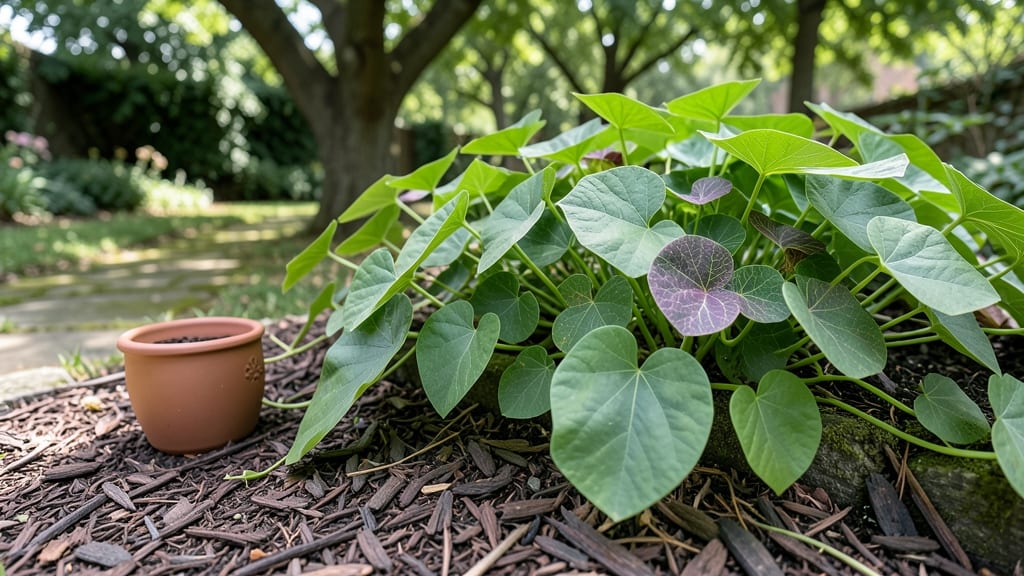
Sweet potato vine thrives in shade where most plants struggle. 🌿 I've used it to transform dark corners into vibrant displays—its trailing vines spill over containers and baskets with bright chartreuse or deep purple foliage that never fades in low light.
The secret is choosing the right variety (like 'Margarita' or 'Blackie') and giving it well-draining soil. It spreads quickly but stays manageable with occasional pruning, making it perfect for hanging baskets, window boxes, or ground cover under trees.
You'll love how it softens shady spots with lush, cascading growth that blooms with tiny white flowers. Pair it with ferns or hostas for a cohesive, low-maintenance woodland garden. Works in partial shade to full shade, and it's deer-resistant too.
Here's how to make the most of it in your garden!
📚 In This Guide
- What you need
- Instructions
- Tips and common mistakes
- Wrapping up and next steps
What you need
- ● Sweet potato vine cuttings: 3–5 healthy, 4–6 inch stems (ensure they have at least 2–3 nodes). Pro tip: 💡 Choose varieties like 'Margarita' (orange) or 'Blackie' (purple) for bold contrast!
- ● Well-draining potting mix: 1–2 gallons (for containers) or amend garden soil with compost (1 part compost to 3 parts soil) for in-ground planting.
- ○ Containers (optional but recommended): Hanging baskets: 10–12 inches in diameter with drainage holes.
- ● Window boxes or planters: 6–8 inches deep, with drainage.
- ○ Rooting hormone (optional but helpful): A small bottle (like Rooting Gel) to speed up growth.
- ● Pruning shears or sharp scissors: For trimming stems to size.
- ● Watering can or spray bottle: For gentle hydration (avoid soggy soil!).
- ● Partial to full shade location: Sweet potato vine thrives in 4–6 hours of indirect light daily (e.g., under trees, north-facing windows, or east/west exposures).
- ● Warmth: Ideal temperatures: 65–85°F (avoid frost—this is a tender perennial!).
- ● Humidity: Mimic its tropical roots with 50–70% humidity (mist leaves occasionally if air is dry).
- ● Patience: Growth is fast, but full coverage may take 4–8 weeks!
- ● Mulch: Shredded bark or straw to retain moisture.
- ● Fertilizer: Balanced 10-10-10 or fish emulsion (diluted) every 4–6 weeks.
- ● Decorative accents: Pebbles, moss, or fairy lights to elevate your shade garden!
- ● Trellis or obelisk: For vertical growth (if training vines upward).
How to grow sweet potato vine in shady spots
Here’s how to turn dim corners into lush, trailing beauty—no sun required.
🌱 Step 1: Select Healthy Starts and Prepare Containers
Sweet potato vine thrives in shade but needs strong starts. Look for thick, firm stems with 3-4 leaves at garden centers or grocery stores (the ones sold for cooking work too!). Snip a 6-inch section from a healthy vine just below a leaf node—the spot where leaves grow out.
Use containers at least 12 inches wide (or larger for more dramatic spread). I like terracotta pots because they breathe and prevent root rot, but any container with drainage works. Fill the bottom 2 inches with gravel or broken pottery to ensure excess water drains away—this plant hates soggy roots.
💧 Step 2: Plant and Water for Immediate Growth
Fill the container with well-draining potting mix (avoid garden soil—it compacts and smothers roots). Make a 1-inch deep hole, place your vine cutting in so the node faces downward, and press the soil gently around it. Water deeply until it drains from the bottom—this encourages roots to grow downward fast.
Sweet potato vine grows fastest when kept consistently moist but not soggy. Stick your finger 1 inch into the soil—if it feels dry, water again. Within 7-10 days, you’ll see new leaves unfurling along the stem. That’s your cue it’s thriving!
☀️ Step 3: Choose the Right Light and Watch It Spread
Place your container in bright, indirect light—think dappled shade under a tree or a north-facing window. Direct sunlight will scorch the leaves, but low light slows growth. If leaves look pale or leggy (stems stretching too tall), move it closer to a light source—even a grow light on a timer works.
This vine spreads aggressively, so give it space. If growing in a hanging basket, it’ll trail 2-3 feet in a season. For ground cover, space plants 12-18 inches apart. Pinch back the tips after 4-6 weeks to encourage bushier growth—this prevents long, sparse stems and triggers more foliage.
✂️ Step 4: Prune and Maintain for Year-Round Color
Sweet potato vine is low-maintenance but loves occasional trims. Cut back overgrown stems in early spring to refresh growth, and snip leggy vines in late summer to keep them compact. Deadhead any brown or yellow leaves immediately—they sap energy from healthy growth.
Fertilize once a month in spring and summer with a balanced liquid fertilizer (like 10-10-10). I dilute it to half-strength because this plant grows fast and can get burned easily by too much food. In winter, reduce watering—let the top 1 inch of soil dry out between waterings to mimic dormancy.
🪴 Step 5: Overwinter and Propagate for Next Year
Bring containers indoors before first frost (or move them to a sheltered porch). Place them in bright, cool light (like a sunny window) and reduce watering. If leaves yellow or drop, don’t panic—it’s normal. Prune back half the plant in late winter to encourage fresh growth.
Here’s the fun part: propagate for free! When you trim back stems, dip the cuttings in rooting hormone (optional but speeds things up) and place them in water or moist potting mix. Roots form in 2-3 weeks—perfect for gifting or expanding your shade garden next spring.
Tips & tricks for perfect sweet potato vine growth in shade
Sweet potato vine might seem finicky, but these little tricks will help you grow lush, vibrant vines even in the shadiest spots. Here's what I've learned from years of trial and error.
Start with the Right Cutting: When selecting your 6-inch vine cutting, look for stems that are thick and firm with at least 3-4 leaves. The key is choosing a healthy section just below a leaf node—this is where roots will emerge most vigorously. Confession: I skipped this step for years and wondered why my vines struggled to take hold. That little node makes all the difference!
Container Matters More Than You Think: While any container with drainage works, terracotta pots actually help prevent root rot by allowing excess moisture to evaporate. If you're using plastic, make sure there are drainage holes. Pro tip: The 2-inch layer of gravel at the bottom isn't just for looks—it creates crucial air pockets that prevent soggy roots, which is the number one killer of sweet potato vine.
Light Is Everything: Remember that bright, indirect light is your goal. If your vine starts looking pale or leggy after 4-6 weeks, it's begging for more light. I've had success with simple LED grow lights on a timer—just 12 hours a day makes a world of difference. And don't forget: direct sunlight will scorch those gorgeous leaves, so be gentle with placement.
Watering Wisdom: The finger test in Step 2 is your best friend. When you stick your finger 1 inch into the soil and it feels dry, that's your cue to water. But here's the thing nobody tells you—overwatering is just as bad as underwatering. Let the top inch dry out between waterings, especially in winter when growth slows. I learned this the hard way after losing two containers to root rot.
Pro Tips for Sweet Potato Vine For Shade
- Sweet potato vine might seem finicky, but these little tricks will help you grow lush, vibrant vines even in the shadiest spots.
- Start with the Right Cutting: When selecting your 6-inch vine cutting, look for stems that are thick and firm with at least 3-4 leaves.
- Container Matters More Than You Think: While any container with drainage works, terracotta pots actually help prevent root rot by allowing excess moisture to evaporate.
Frequently asked questions
Got questions about using sweet potato vine for shade? You’re not alone! Here are some of the most common concerns—and their easy answers—to help you get started with confidence.
Can sweet potato vine grow in full shade?
While it thrives in partial shade (4–6 hours of sunlight), it may grow slower in full shade. If your spot is dark, choose a variegated variety (like ‘Margarita’) for better visibility. Place it near a window or under a sheer curtain to stretch out its vibrant foliage!
How long does it take to see full coverage?
Sweet potato vine is a fast grower—expect lush, trailing vines in 4–6 weeks with proper care! For quicker results, prune regularly to encourage bushier growth. In hanging baskets or trellises, it can fill space within 2–3 months.
Is sweet potato vine toxic to pets?
Yes! All parts of the plant—leaves, stems, and roots—contain solanine, a toxin harmful to dogs and cats. Keep it out of reach or opt for pet-safe alternatives like string of pearls or pothos if you have furry friends.
How often should I water sweet potato vine in shade?
Check soil moisture weekly—water when the top inch feels dry. Shady spots retain moisture longer, so avoid overwatering (root rot is a risk!). Use well-draining pots or containers with drainage holes to prevent soggy soil.
Can sweet potato vine survive winter indoors?
If temperatures drop below 40°F (4°C), bring it inside! Place it near a bright window and reduce watering. Prune leggy stems in early spring to encourage fresh growth. With proper care, it’ll bounce back—and look even healthier!
What’s a good alternative if sweet potato vine is too aggressive?
Try these low-maintenance, shade-tolerant options:
- Philodendron – Slow-growing, pet-safe (some varieties), and lush.
- Pothos – Hardy, trails beautifully, and thrives in low light.
- Creeping fig – Compact, glossy leaves, and drought-resistant.
Wrapping up and next steps
Sweet potato vine is a game-changer for brightening up shady spots in your garden with its vibrant foliage and minimal upkeep. Whether you’re a seasoned gardener or just starting out, its fast-growing nature and adaptability make it a perfect choice for adding instant color to those tricky, low-light areas. 🌿
Ready to transform your garden? Start by selecting your favorite variety and following the simple steps to plant and care for it. Watch your dark corners bloom with life and beauty!