
Shrubs
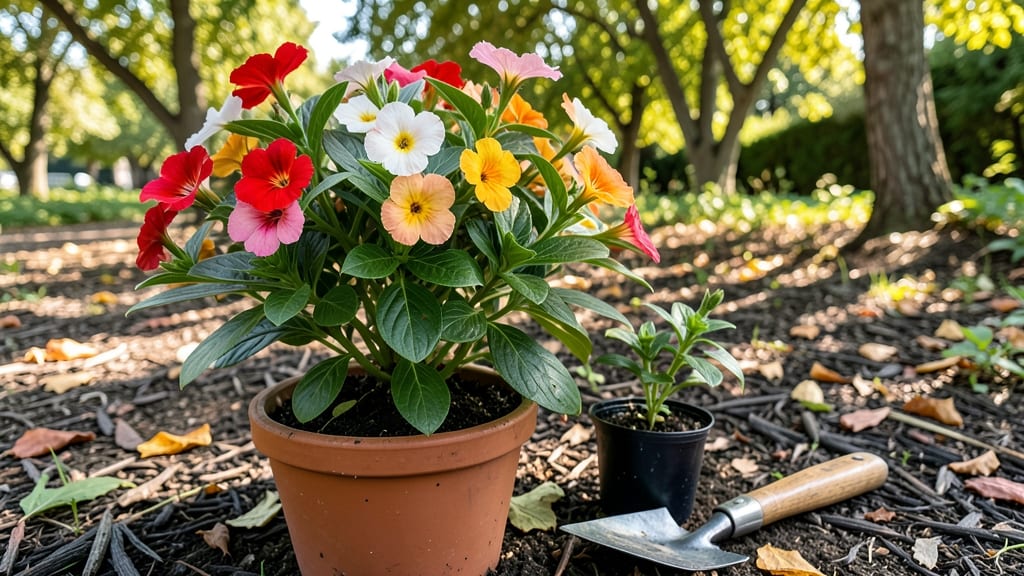
Sunpatiens thrive in sun or shade—year-round color without the fuss. 🌿 I’ve grown them in everything from morning sun to deep shade, and they keep blooming like clockwork. The secret lies in matching their care to the light they actually get, not what you assume they need.
Most gardeners overwater or underfeed Sunpatiens because they assume they’re finicky. In reality, they’re tougher than their delicate flowers suggest—damp but not soggy soil and a balanced fertilizer every 4-6 weeks keep them happy.
The key is adjusting spacing: pack them closer in shade (10-12 inches apart) to prevent legginess, but give them room in sun (14-18 inches) for airflow. By summer’s end, you’ll have a nonstop floral display that outlasts most annuals.
They even handle light frost in zones 10-11, making them the ultimate low-maintenance star. The trick? Watch the leaves—not the flowers—for stress signals. Works in containers, hanging baskets, or garden beds. Let’s get those blooms going!
📚 In This Guide
- What you need
- Instructions
- Tips and common mistakes
- Wrapping up and next steps
What you need
- ● Sunpatiens plants: 3–10 plants (depending on desired coverage; spacing varies by variety—check tags for specifics). Opt for Impatiens walleriana (sun-tolerant types like 'Super Elfin' or 'Accent') for sun, or classic Impatiens (e.g., 'Beacon' series) for shade.
- ● Well-draining potting mix: 1–2 bags (5–10 gallons each) of high-quality peat-free mix (e.g., Black Gold Natural & Organic or Miracle-Gro Performance Organics). For containers, use a mix with 20–30% perlite or vermiculite.
- ● Containers or garden beds: Containers: 1–3 hanging baskets (10–12" diameter) or pots (8–12" wide) with drainage holes.
- ● Garden beds: A spot with 4–6 hours of sun (for sunpatiens) or partial to full shade (for traditional impatiens). Amend soil with 2–3 inches of compost if planting directly in the ground.
- ○ Slow-release fertilizer: 1–2 tablets or granules of 14-14-14 or 20-20-20 (e.g., Osmocote Smart-Release). Optional: A balanced liquid fertilizer (e.g., Miracle-Gro All Purpose) for mid-season feeding.
- ● Gloves & hand trowel (for planting and soil adjustments).
- ● Pruners or scissors (sharp, clean pair for trimming dead leaves or leggy stems).
- ○ Mulch (optional): 1–2 bags of pine bark fines or shredded leaves to retain moisture and suppress weeds.
- ● Watering can or hose with a gentle spray nozzle (sunpatiens love consistent moisture—aim for 1 inch per week).
- ● Shade cloth (for sunpatiens in hot climates): 30–50% shade cloth to protect from intense afternoon sun if temps exceed 85°F (29°C).
- ○ Plant labels (optional): Wooden or metal tags to track varieties and care notes.
How to plant and care for sunpatiens in any light condition
Sunpatiens thrive in both sun and shade—here’s how to make them flourish all year.
🪴 Step 1: Choose the Right Location for Your Sunpatiens
Sunpatiens are adaptable, but their performance depends on light exposure. In full sun (6+ hours of direct light), they’ll bloom abundantly but need consistent moisture to prevent wilting. For partial shade (3-6 hours of sun), they’ll grow lush foliage and vibrant flowers with less stress. Avoid deep shade—they’ll stretch and produce fewer blooms.
Test your spot by observing how much sun it gets daily. If leaves scorch by midday, they need afternoon shade. If growth looks weak and leggy, they crave more light. Sunpatiens in containers can be moved seasonally—place them in morning sun in summer and south-facing windows in winter for consistent growth.
🌱 Step 2: Plant in Well-Draining, Fertile Soil
Use a lightweight potting mix (like the 4 bags of garden soil blend you’ve got) mixed with 1 part perlite to prevent root rot. Sunpatiens hate soggy roots, so ensure pots have drainage holes. If planting in ground beds, amend the soil with 2 inches of compost to retain moisture without suffocating roots.
Dig holes twice as wide as the root ball but only as deep as the container’s base. Gently tease out tangled roots before placing the plant in. Fill gaps with soil, pressing lightly to eliminate air pockets. Water deeply until moisture seeps from the bottom—this helps roots settle into their new home.
☀️ Step 3: Water Consistently Without Overdoing It
Sunpatiens in sun need water every 2-3 days, while those in shade can go 4-5 days between waterings. Check soil moisture by sticking your finger 1 inch deep—if it’s dry, water thoroughly until it drains from the bottom. Overwatering causes yellow leaves, while underwatering leads to crispy edges.
Mulch with 1-2 inches of shredded bark to lock in moisture and regulate soil temperature. This is especially critical in summer heat. Avoid wetting leaves when watering—damp foliage invites fungal diseases like powdery mildew. Water at the base in the early morning to reduce evaporation.
✂️ Step 4: Fertilize and Prune for Continuous Blooms
Feed sunpatiens every 4-6 weeks with a balanced liquid fertilizer (10-10-10 or 20-20-20). Dilute to half-strength to avoid burning roots. Stop fertilizing in late summer to encourage dormancy. Deadhead spent blooms by pinching off the flower stem just above the next set of leaves—this redirects energy to new growth.
If your sunpatiens grow leggy, trim back one-third of the longest stems to encourage bushier growth. Prune in early spring to shape the plant and remove any yellow or damaged leaves. Regular pruning keeps them compact and encourages year-round blooming with minimal gaps.
🌿 Step 5: Protect and Overwinter for Next Season
In frost-prone areas, move potted sunpatiens indoors before temperatures drop below 40°F. Place them near a bright window or under grow lights to maintain growth. Reduce watering in winter—let the top 1-2 inches of soil dry out between waterings to prevent root rot.
For ground-planted sunpatiens, cut back stems to 2-3 inches in late fall. Apply a 2-inch layer of mulch to insulate roots. In spring, remove old mulch and refresh the soil with compost before new growth appears. With proper care, sunpatiens will rebound quickly and bloom even earlier the next season.
Tips & tricks for perfect sunpatiens sun or shade
Real talk: Sunpatiens are forgiving, but these tricks will turn your plants into showstoppers year-round.
Light Exposure Insight: In Step 1, when choosing your spot, remember that "full sun" means 6+ hours of direct light, but if your area gets intense afternoon sun, provide afternoon shade to prevent leaf scorch. I’ve seen sunpatiens in morning sun thrive beautifully—it’s the harsh midday rays that cause problems. If you’re unsure, test your spot by observing how much sun it gets over a week.
Soil Mix Mastery: For Step 2, that 1 part perlite to your potting mix is non-negotiable. I’ve seen sunpatiens in heavy garden soil develop root rot within weeks. If you don’t have perlite, substitute vermiculite or even coarse sand in a pinch. When planting, press soil lightly around the roots—this eliminates air pockets that can suffocate new growth.
Watering Wisdom: The 2-3 day watering schedule in Step 3 is your baseline, but adjust based on your climate. In summer heat, check soil moisture daily—sunpatiens in full sun can dry out faster than expected. Pro tip: Water at the base in the morning to prevent fungal diseases. If you notice crispy edges, you’re underwatering; yellow leaves mean overwatering. Both are fixable, but prevention is easier!
Pruning Pro Tip: In Step 4, when deadheading, pinch off the stem just above a set of leaves—not at the base. This encourages bushier growth and more blooms. I’ve seen gardeners trim too aggressively, which can shock the plant. If your sunpatiens get leggy, trim back one-third of the longest stems in spring to promote compact growth. Think of it like giving your plant a haircut—less is more!
Pro Tips for Sunpatiens Sun Or Shade
- Real talk: Sunpatiens are forgiving, but these tricks will turn your plants into showstoppers year-round.
- Light Exposure Insight: In Step 1, when choosing your spot, remember that "full sun" means 6+ hours of direct light, but if your area gets intense afternoon sun, provide afternoon shade to prevent leaf scorch.
- Soil Mix Mastery: For Step 2, that 1 part perlite to your potting mix is non-negotiable.
Frequently asked questions
Can Sunpatiens handle full sun exposure?
Sunpatiens thrive in partial shade (4–6 hours of sun daily), but some varieties (like ‘HeatWave’ or ‘Superbells’) tolerate morning sun + afternoon shade. Avoid harsh afternoon rays in hot climates—this can scorch leaves. If planting in full sun, water deeply and mulch to retain moisture.
How do I know if my Sunpatiens are getting too much shade?
Watch for leggy stems, sparse blooms, or pale foliage—signs of light deprivation. If your plants look weak, relocate to a brighter spot gradually (over 1–2 weeks) to avoid shock. A south- or east-facing window (for containers) or dappled sunlight under trees works well.
Are Sunpatiens cold-hardy, or do they need winter care?
Most Sunpatiens are tender perennials (USDA Zones 10–11), but some varieties (like ‘Wave’) may survive mild winters with mulch protection. In colder zones, treat them as annuals or overwinter indoors. Cut back dead foliage in fall to prep for regrowth in spring.
Can I grow Sunpatiens in containers instead of garden beds?
Containers are ideal for Sunpatiens—just use well-draining potting mix and a pot with drainage holes. Choose 10–12” diameter containers for single plants or hanging baskets for cascading varieties. Move pots to shade during extreme heat (100°F+).
Why are my Sunpatiens leaves turning yellow?
Yellow leaves often signal overwatering, underwatering, or nutrient deficiency. Check soil moisture—it should stay evenly damp but not soggy. Fertilize every 2–4 weeks with a balanced liquid feed (10-10-10) during bloom season. Yellowing edges? Boost humidity with mulch or a light misting.
What’s a good shade-loving alternative if Sunpatiens aren’t working?
If shade is too deep, try these low-light companions:
- Impatiens (Impatiens walleriana) – Thrives in full shade, blooms nonstop.
- Fuchsia – Loves shade, produces dramatic dangling flowers.
- Caladium – Stunning foliage for woodland gardens.
- Heuchera – Hardy, colorful leaves in partial shade.
Wrapping up and next steps
Sunpatiens are the ultimate low-maintenance superstars for gardeners craving vibrant blooms with minimal fuss! Whether you’re basking in full sun or lounging in dappled shade, these beauties deliver year-round color—no drama required. 🌸✨
Ready to transform your space? Grab your Sunpatiens, pick the perfect spot, and let their cheerful faces brighten up your year. Next step: Snap a photo of your thriving plants and tag us—we’d love to see your Sunpatien success story! 📸💚