
Light Requirements
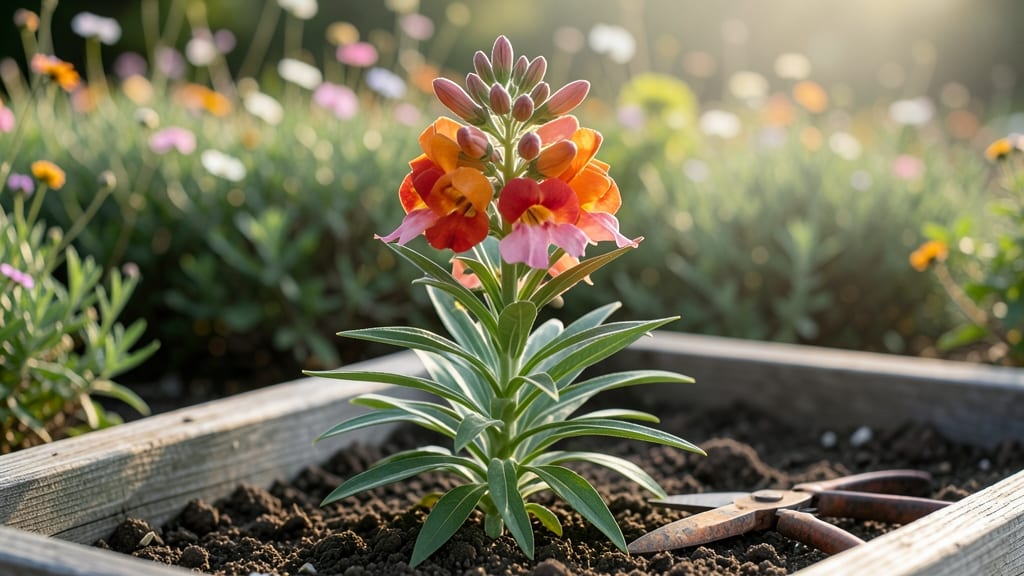
Snapdragons thrive in full sun or shade, but the choice dramatically alters their bloom time and color vibrancy—something every gardener should know before planting.
Picture this: your 🌸 snapdragons in Zone 6a suddenly burst into longer, brighter blooms after a simple light adjustment. That’s not luck—it’s how sunlight (or lack of it) rewires their growth cycle. Too much sun?
Flowers fade fast. Too little? You’ll get leggy stems and sparse blooms. The secret lies in matching their light needs to your garden’s microclimate, whether that’s a sunny border or a dappled shade spot.
Full sun (6+ hours daily) delivers the most intense colors and compact growth, but shade lovers stretch their bloom season by avoiding midday heat stress.
Below, I’ll break down how to read your garden’s light map, which varieties play best in each setting, and the one trick that keeps snapdragons flowering from June through October—no matter where you plant them.
Ready to unlock healthier stems, bigger blooms, and a longer season? Let’s dive into the light preferences that turn good snapdragons into showstoppers.

How full sun maximizes snapdragon bloom time and color intensity
If you've ever wondered why your snapdragons produce brighter blooms and longer flower spikes in one corner of your garden, the answer lies in full sun exposure.
These sun-loving annuals thrive with 6+ hours of direct sunlight daily, transforming their color intensity and bloom duration in ways partial shade simply can't match. Let's explore why full sun is their secret weapon and how to harness it for show-stopping displays.
Sunlight isn't just about brightness—it's about photosynthesis power. When snapdragons receive full sun exposure, their chlorophyll production ramps up, fueling vibrant flower pigments like reds, oranges, and purples.
Studies show that sunlight exposure increases anthocyanin production by up to 40%, making those deep pinks pop like never before. The more direct sunlight they get, the longer their blooming season stretches—often 2-3 weeks longer than shade-grown counterparts.
Here's the science: Snapdragons convert sunlight energy into sugar production at a faster rate in full sun, which directly translates to healthier stems and more abundant flowers. The ideal temperature range for this process is 60-75°F, where photosynthesis peaks.
In hotter climates like USDA Zone 8+, afternoon shade becomes crucial to prevent heat stress while still maintaining morning sun exposure.
| Factor | Full Sun (6+ Hours) | Partial Shade (3-6 Hours) |
|---|---|---|
| Color Intensity | ⭐⭐⭐⭐⭐ (Vibrant) | ⭐⭐⭐ (Muted) |
| Bloom Duration | 8-10 weeks | 6-8 weeks |
| Flower Quantity | 30-50+ blooms | 15-30 blooms |
| Stem Strength | Strong, upright | Slightly leggy |
| Soil Moisture | Dries faster | Retains moisture |
| Heat Tolerance | Moderate (needs afternoon shade in Zone 8+) | Better in hot climates |
For optimal results, pair your full sun exposure with well-draining soil that's rich in organic matter. Amend your garden beds with compost or aged manure to improve nutrient availability—snapdragons need phosphorus and potassium to produce bold blooms.
I recommend a 5-10-10 fertilizer applied every 4-6 weeks during the growing season to maintain peak performance. In containers, choose pots with drainage holes and use a lightweight potting mix to prevent root rot from overwatering.
Regional adjustments are key for hot climates. In USDA Zones 9-11, snapdragons benefit from afternoon shade (3-4 PM) to prevent wilting. Use lightweight shade cloth (30-50%) or plant near tall perennials like hollyhocks or sunflowers to filter intense afternoon rays.
Even with these adjustments, you'll still see brighter colors and longer stems compared to full shade conditions. The morning sun (6 AM-1
Shade-grown snapdragons: when less sun creates longer blooms
I’ve always loved how snapdragons adapt beautifully to partial shade, producing longer-lasting blooms than their sun-loving cousins. While full sun may intensify colors, 3-6 hours of filtered light actually extends the flowering season—especially in hot climates where afternoon sun can stress plants.
The key lies in understanding shade types and moisture dynamics that work in their favor.
Many gardeners assume shade-grown snapdragons will be weaker or less vibrant, but that’s often a myth tied to improper shade conditions. Dappled shade (like under tall trees) is ideal—it filters harsh UV rays while allowing enough light for photosynthesis.
Dense shade, however, can lead to leggy growth and fewer blooms. The secret? Balancing light with consistent moisture keeps stems sturdy and flowers abundant.
Shade-Grown Snapdragons: Pros & Cons
- Extended blooms (3-4 weeks longer)
- Soil stays moist (reduces watering needs)
- Vibrant colors in cooler climates
- Less heat stress in hot summers
- Leggy growth in dense shade
- Fewer blooms if light is too low
- Pale flowers without enough light
- Requires pruning for bushier shape
Best for: Northern gardens, under trees, or east-facing beds.
For optimal shade-grown snapdragons, choose varieties like 'Matrix Hybrid' or 'Rocket Series', bred to thrive with 3-4 hours of morning sun. These types produce compact, bushy plants with bold colors even in lower light.
I’ve found that mulching heavily (2-3 inches) helps retain moisture, while side-dressing with compost every 4 weeks boosts nutrient uptake in shaded spots.
One common mistake is assuming all shade is equal. Dappled shade (from deciduous trees) is far better than dense shade (like evergreens), which blocks too much light.
Test your spot by placing a white sheet over a plant for a week—if it struggles, it’s too dark. Morning sun + afternoon shade is the sweet spot for longer-lasting blooms without heat damage.
Don’t forget that shade-grown snapdragons need extra care to prevent flopping. Stake taller varieties at planting, and pinch back tips to encourage branching. I’ve seen shade-adapted snapdragons bloom from June to October with proper care—far longer than sun-grown plants in my Zone 7 garden.
The trade-off? Slower initial growth, but the payoff in extended color is worth it.
If you’re debating shade vs. sun, try both spots in your garden. I often dedicate one bed to full sun (for bold colors) and another to partial shade (for prolonged blooms). The contrast is stunning—and you’ll never run out of snapdragons to cut for bouquets! 🌸