
Orchid Care
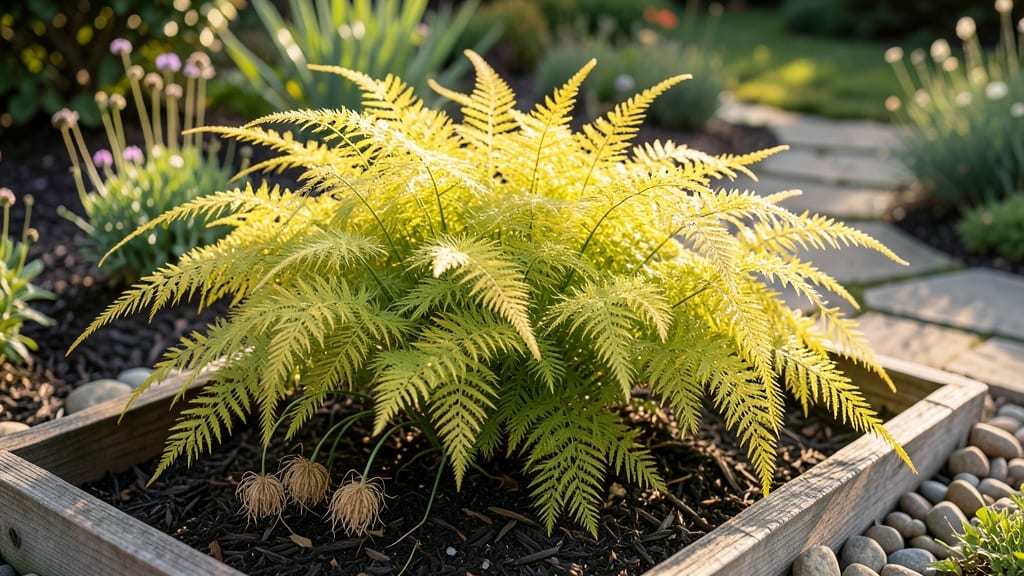
Foxtail fern thrives in bright, indirect light—too much sun or too little shade can turn its lush 🌿 fronds into a sad, crispy mess.
Struggling to keep your foxtail fern thriving? The battle between sun and shade might be the hidden culprit behind its lackluster growth—or its sudden demise. This tropical beauty doesn’t just like the right light; it needs it to stay vibrant year-round.
Too much direct sun scorches its delicate fronds, while deep shade slows growth and dulls its signature feathery texture. The key? Mimicking its natural habitat with filtered light—think east-facing windows or a spot just a few feet back from a west-facing one.
Below, I’ll break down exactly how to spot light stress, adjust your setup for optimal growth, and keep your foxtail fern looking like the lush, year-round showstopper it’s meant to be.
 Best Window Placement
Ideal light conditions for foxtail fern growth: sun vs shade breakdown
Your foxtail fern thrives in a delicate balance between sunlight and shade, making light management the secret to its lush, feathery appearance. Unlike sun-worshipping plants, this tropical beauty prefers bright indirect light, mimicking its native understory habitat.
Too much direct sun can scorch those delicate fronds, while too little shade leads to weak, sparse growth—neither scenario is ideal for a vibrant display.
Understanding the sun vs. shade spectrum for your foxtail fern isn’t just about placing it in a sunny window or dark corner. It’s about creating a consistent light environment that matches its natural preferences.
In my experience, the difference between a thriving plant and a struggling one often comes down to light exposure adjustments, especially during seasonal shifts like summer’s harsh rays or winter’s dimmer days.
| Light Condition | Daily Exposure | Best Locations | Growth Impact | Seasonal Adjustments |
|---|---|---|---|---|
| Bright Indirect Light | 4-6 hours | East/west-facing windows, under sheer curtains | Vibrant fronds, compact growth | Year-round ideal |
| Direct Morning Sun | 2-3 hours max | South-facing window with distance | Possible leaf burn | Summer: reduce exposure |
| Low Light | Less than 2 hours | North-facing windows, dim corners | Leggy growth, sparse fronds | Winter: supplement with grow lights |
| Full Shade | 0 direct light | Basements, dark closets | Stunted growth, death | Avoid entirely |
| Filtered Sunlight | 3-4 hours | Outdoor shaded patio, under trees | Healthy balance, moderate growth | Best for outdoor foxtail ferns |
The bright indirect light category is your foxtail fern’s sweet spot, offering just enough light intensity without the harshness of direct rays. Think of it as the goldilocks zone for this plant—neither too hot nor too cold.
In my garden, I’ve found that placing foxtail ferns near east-facing windows provides perfect morning sunlight that fades before the intense afternoon sun kicks in. This mimics their natural habitat where they grow under taller trees that filter the sun’s rays.
If you’re growing your foxtail fern outdoors, filtered sunlight is your best friend. A spot under a dappled shade tree or on a covered patio where sunlight is diffused through leaves creates an ideal environment.
I’ve seen foxtail ferns in these conditions grow 2-3 times faster than those in full sun or deep shade. The key is avoiding midday sun, which can cause fronds to brown at the tips—a sure sign of light stress.
Seasonal changes require light exposure adjustments to keep your foxtail fern thriving year-round. During summer, when the sun is most intense, I recommend moving your plant 3-4 feet away from south-facing windows or providing a light sheer curtain to diffuse the rays.
In winter, when natural light is scarce, supplement with a 12-hour grow light placed 12-18 inches above the plant. This mimics the longer daylight hours of summer and prevents that leggy, weak growth that signals light deprivation.
One common misconception is that foxtail ferns can tolerate full shade like ferns in a forest understory. While they do prefer shade, full shade (no direct light at all) will stunt their growth and lead to a sad, sparse appearance.
The plant needs some light to perform photosynthesis, even if it’s indirect. I’ve learned this the hard way—my first foxt
Signs your foxtail fern needs more (or less) light: troubleshooting guide
Your foxtail fern might be silently screaming for help—literally. If its fronds are turning yellow or crispy, it’s time to check its light conditions. Too much sun scorches those delicate leaves, while too little shade causes them to stretch painfully.
I’ve seen this happen more than I’d like, and the good news? Fixing it is easier than you think.
Start by observing the frond tips. If they’re brown and crispy, your fern is begging for shade relief. On the flip side, pale or leggy growth means it’s craving more bright indirect light.
These visual cues are your plant’s way of communicating—don’t ignore them! Adjusting light exposure can turn a struggling fern into a lush, vibrant showstopper in just a few weeks.
Too much sun: Brown, crispy frond tips (like paper burning in the sun). Move to filtered light immediately.
Too little light: Pale, leggy stems and sparse growth. Rotate your plant or add a grow light 6 inches away.
Leggy growth is a classic sign your foxtail fern is stretching toward any available light. This happens when it’s placed too far from a window or in a dim corner.
To fix this, move it to a sunnier spot—like an east-facing window—where it gets 4-6 hours of bright indirect light daily. If your home lacks natural light, a LED grow bulb (10,000K color temperature) can mimic sunlight perfectly.
Slow growth is another red flag. If your fern’s fronds aren’t filling out as they should, it’s likely light-deprived. Try this quick test: Hold a piece of paper near the plant. If you can’t read the text in the shade it casts, it’s not getting enough light.
In this case, consider placing it under a sheer curtain to diffuse harsh rays while boosting overall brightness.
For outdoor foxtail ferns, watch for midday wilting—a sure sign of over-exposure. These tropical plants thrive in partial shade, especially in hot climates. If your garden spot gets direct afternoon sun, provide afternoon shade with a lightweight shade cloth (30-50% coverage).
This simple fix can prevent irreversible damage to your fern’s delicate fronds.
Remember, consistency is key. Foxtail ferns hate sudden changes in light. If you’re moving it from a dark corner to a bright window, do it gradually over 7-10 days to avoid shock.
Pair this with moderate watering (let the top inch of soil dry between waterings) and you’ll see new, healthy growth in no time.