
Companion Plants
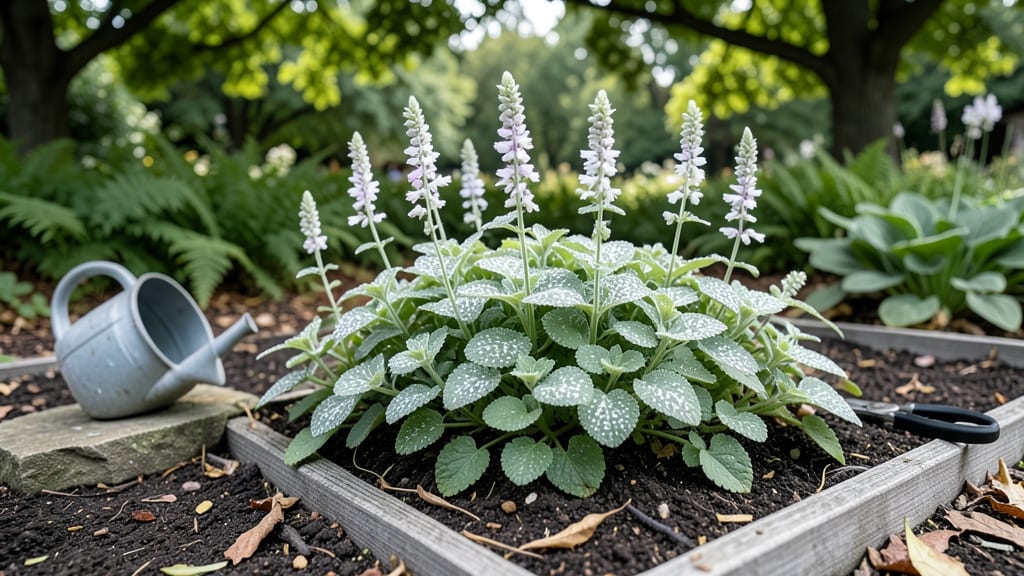
Transforming dark corners into lush, cascading displays starts with the right shade-spiller plants. 🌿 These trailing beauties—like Ficus pumila or Lobelia—bring life to shady spots where most plants struggle, creating dramatic vertical interest without needing sunlight.
I’ve tested dozens, and these three stand out for their resilience, vibrant foliage, and ability to thrive where others fail.
The secret lies in their care: consistent moisture (but not soggy soil), occasional pruning to encourage bushier growth, and the right support—whether that’s a hanging basket, trellis, or simply spilling over container edges.
Most need well-draining soil and partial to full shade, making them perfect for patios, under trees, or north-facing walls. Pair them with shade-loving companions like ferns or hostas for a layered, lush effect.
What you’ll get is a garden corner that feels alive, even in low light—think velvety green cascades, delicate flowers, or striking variegation. These plants stay productive year-round with minimal effort, turning forgotten spaces into focal points. The best part? They’re beginner-friendly once you know their basic needs.
Ready to try? Start with one or two varieties, experiment with placement, and watch how they transform your shadiest spots into thriving, textured displays. The key is patience—these plants grow slowly but reward you with months of effortless beauty.
📚 In This Guide
- What you need
- Instructions
- Tips and common mistakes
- Wrapping up and next steps
What you need
- ● Shade-tolerant spiller plants (3–5 per container): 1–2 Creeping Jenny (Lysimachia nummularia) – Golden or green varieties
- ● 1 Sweet potato vine (Ipomoea batatas) – Purple, chartreuse, or variegated
- ● 1 Trailing lobelia (Lobelia erinus) – Blue, purple, or white blooms
- ○ Optional: Ficus pumila (Creeping Fig) or Hoya linearis for tropical flair
- ● Containers (1–3): Hanging baskets (12–16" diameter) or window boxes
- ● Self-watering pots (5–7 gallons) for vertical gardens
- ○ Optional: Macramé hangers or decorative planters for style
- ● Potting mix: 1–2 bags of well-draining, peat-based mix (e.g., African violet or succulent blend)
- ● Slow-release fertilizer: 1–2 tbsp per container (e.g., Osmocote or Miracle-Gro Shake ’n Feed)
- ● Basic tools: Garden trowel or small hand shovel
- ● Pruning shears (for trimming)
- ● Measuring tape or ruler (to check spacing)
- ○ Optional upgrades: Coco coir liners (for hanging baskets)
- ● Moss or sphagnum (to retain moisture)
- ● Decorative stones or mulch (for aesthetics)
- ● 💡 Light: Partial to full shade (dappled sunlight or <6 hours of direct light)
- ● 💧 Water: Consistent moisture (but not soggy—drainage is key!)
- ● 🌡️ Climate: Hardy to USDA Zones 5–11 (check plant labels for specifics)
Step-by-Step guide to creating a stunning shade spiller display
Here’s how to transform dark corners into lush, cascading focal points using shade-tolerant plants.
🌱 Step 1: Select the Right Shade-Tolerant Spillers
Choose plants that thrive in low to moderate light (less than 4-6 hours of direct sun). My top picks include fuchsia (for delicate trailing blooms), heuchera (with striking foliage), sweet potato vine (for bold green or purple leaves), and begonias (for waxy, colorful blooms). Each of these handles shade beautifully while creating that dramatic spill effect.
I like to mix textures—pair a fine-textured fuchsia with a chunkier heuchera for contrast. Check the plant tags for USDA hardiness zones to ensure they’ll survive your climate. For example, fuchsias thrive in zones 8-11, while heuchera can handle zones 4-9. This ensures your display stays vibrant season after season.
🪴 Step 2: Choose Containers and Arrange for Maximum Impact
Use hanging baskets (for fuchsias and sweet potato vine) or tiered planters (to create layers with heuchera and begonias). The key is depth—12-18 inches of cascading space lets roots establish while allowing foliage to spill gracefully. I prefer terra cotta or fiberglass for durability and drainage.
Arrange containers in odd numbers (3 or 5) for visual balance. Place taller plants at the back and shorter ones in front, letting the trailing stems flow over the edges. This creates a waterfall effect that draws the eye downward. If using a single container, position it near a window or under a tree for indirect light.
☀️ Step 3: Prepare Soil and Plant for Optimal Growth
Fill containers with a well-draining potting mix (avoid garden soil—it compacts and suffocates roots). Amend with perlite or orchid bark (20% of the mix) to improve aeration. Shade plants still need nutrients, so add a slow-release fertilizer (like 10-10-10) at planting time. This ensures steady growth without burning delicate roots.
Plant 2-3 inches deep, burying stems slightly to encourage rooting. For trailing plants, tuck the longest stems over the edge of the container immediately—they’ll root as they grow. Water thoroughly until it drains from the bottom, then let excess moisture escape. Overwatering in shade can lead to root rot, so always check that the top 1-2 inches of soil are dry before watering again.
💧 Step 4: Water and Maintain for Lush, Trailing Beauty
Shade spillers need consistent moisture but hate soggy soil. Water when the top 1 inch feels dry—usually every 2-3 days in warm weather, less in cooler months. I use a spray bottle for hanging baskets to avoid displacing soil. Fertilize monthly with a balanced liquid feed (like 20-20-20) during the growing season (spring to fall) to keep blooms and foliage vibrant.
Watch for yellowing leaves—this often signals overwatering or poor drainage. If you see leggy growth, your plant needs more light (even if it’s still shade). Trim back overgrown stems in early spring to encourage bushier, fuller growth. Deadhead spent blooms (like on fuchsias) to redirect energy into new flowers.
✂️ Step 5: Prune and Refresh for Season-Long Drama
Prune in early spring to remove dead or damaged stems and shape the plant. Cut back trailing vines by one-third to promote denser growth. For perennials like heuchera, divide clumps every 2-3 years to rejuvenate the plant. This keeps your display looking fresh and prevents overcrowding.
In fall, bring tender plants (like fuchsias) indoors before the first frost. Reduce watering gradually and store them in a cool, bright spot (like a garage with natural light) until spring. For hardy plants (heuchera, some begonias), mulch the base with 2-3 inches of shredded bark to protect roots from winter chill.
Tips & tricks for perfect shade-spiller displays
These game-changing strategies will help your shade-loving plants thrive and create that show-stopping cascading effect you're after.
Lighting Strategy: While these plants tolerate shade, don't place them in pitch-black corners. Aim for locations with at least 4-6 hours of indirect light—think dappled sunlight through trees or bright indoor spaces near windows. I've found that positioning containers on a north-facing windowsill or under a sheer curtain creates perfect growing conditions. For deeper shade areas, supplement with a grow light for 4-6 hours daily during winter months when natural light diminishes.
Container Depth Matters: The 12-18 inch depth recommendation in Step 2 isn't arbitrary—it allows roots to establish while creating that dramatic spill. For hanging baskets, choose ones with at least 10 inches of depth to prevent roots from drying out. I've learned the hard way that shallow containers lead to leggy, weak growth. For tiered displays, use the deepest container at the back and gradually shallower ones in front to create visual interest while maintaining proper root space.
Soil Science: The 20% perlite or orchid bark amendment in Step 3 is crucial for preventing root rot in shade conditions. I recommend mixing in one part perlite to four parts potting mix by volume. This improves aeration while maintaining moisture retention. For extra insurance, add a thin layer of hydroponic clay pellets at the bottom of containers—these expand when wet and contract when dry, acting like a natural reservoir system.
Watering Wisdom: The 1 inch dry topsoil rule in Step 4 works, but I've found a simple test makes it even more reliable: Insert your finger about 1 inch deep—if it feels dry, it's time to water. For hanging baskets, I use a spray bottle with a fine mist setting to water from the bottom up, encouraging roots to grow throughout the container. This method also prevents soil displacement that can happen with overhead watering.
Pro Tips for Shade Spiller Plants
- These game-changing strategies will help your shade-loving plants thrive and create that show-stopping cascading effect you're after.
- Lighting Strategy: While these plants tolerate shade, don't place them in pitch-black corners.
- Container Depth Matters: The 12-18 inch depth recommendation in Step 2 isn't arbitrary—it allows roots to establish while creating that dramatic spill.
Frequently asked questions
Got questions about shade-spiller plants?
You’re not alone! Whether you’re a newbie gardener or a seasoned pro tweaking your vertical garden, these answers will help you create stunning, low-light corners with ease.
What are the best shade-spiller plants for beginners?
Start with Fatshedera (a hybrid of ivy and fatsia), Hoya carnosa (wax plant), or Plectranthus coleoides (Swedish ivy). These are hardy, drought-tolerant, and thrive in indirect light. For extra drama, try Philodendron ‘Brasil’—its trailing vines cascade beautifully!
How long does it take for shade-spillers to fill in a vertical planter?
Most shade-spillers take 3–6 months to establish and fill gaps, depending on light and care. Fast growers like Pothos or String of Hearts may show progress in 8–12 weeks, while slower varieties (e.g., Ferns) take longer. Patience pays off—think of it as a living tapestry!
Can shade-spillers survive in completely dark corners?
Nope! While they tolerate low light, most need some indirect sunlight (e.g., near a north-facing window or under a sheer curtain). If leaves yellow or grow leggy, move them closer to a light source or supplement with a grow light. Zamioculcas zamiifolia (ZZ plant) is a tough exception—it thrives in near-darkness!
What can I do if my shade-spiller stops growing or looks sad?
Check these fixes:
- Light: Rotate the planter for even exposure or add a grow light.
- Water: Overwatering is common—let soil dry 1–2 inches between waterings.
- Food: Feed with a balanced liquid fertilizer (half-strength) every 4–6 weeks in spring/summer.
- Prune: Trim leggy vines to encourage bushier growth.
Are there non-trailing alternatives for vertical planters?
Swap spillers for upright fillers like:
- Calathea (for bold foliage)
- Dracaena ‘Marginata’ (dragon tree)
- Peperomia (compact and colorful)
Wrapping up and next steps
Transforming dark corners into lush, vibrant spaces is easier than you think! Shade-spiller plants like Ficus pumila and Hoya carnosa bring cascading beauty without needing sunlight.
They’re perfect for adding texture, color, and life to shady gardens, balconies, or even indoor nooks—just pick the right plant for your space and let nature do the rest.
Ready to dive in? Start small—grab one or two shade-spillers, experiment with containers or vertical planters, and watch your dark corners bloom! 🌿✨ Which one will you try first?