
Companion Plants
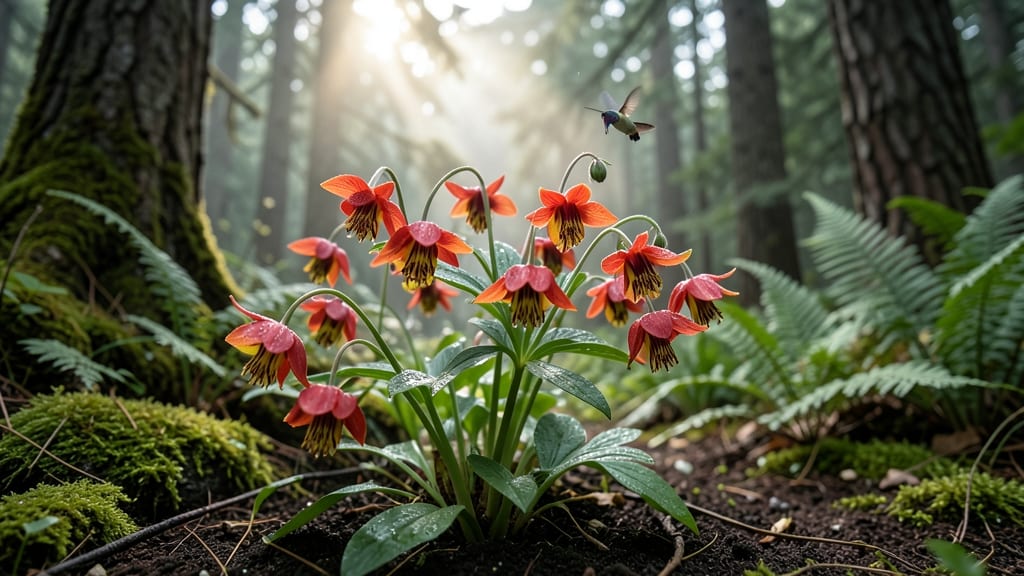
Oregon’s cool, damp climate and frequent shade make gardening a unique challenge—but these cold-hardy shade plants will transform your yard into a lush, low-maintenance paradise. From evergreen shrubs to vibrant perennials, these plants thrive where others struggle.
Oregon Grape Holly Shrub

Looking for a native evergreen that thrives in Oregon’s deep shade while adding wildlife value? The Oregon grape holly (Mahonia aquifolium) is your answer—a tough, low-maintenance shrub with glossy, holly-like leaves and clusters of bright red berries that birds adore.
This drought-tolerant plant handles full shade to partial sun and even tolerates poor, rocky soil, making it perfect for privacy hedges or woodland gardens. Plant it 3–5 feet apart for a dense screen, and enjoy its year-round interest—leaves turn bronze in winter, while berries persist until spring. Deer usually avoid it, too!
Ideal for gardeners who want low-maintenance beauty with wildlife benefits, this shrub is a Pacific Northwest staple that’s as resilient as it is striking. 🌟
Hosta Varieties for Oregon

If you love lush foliage but struggle with sunny spots, hostas are Oregon’s secret weapon for shade gardens. These hardy perennials come in stunning blue, gold, and variegated varieties that thrive even in damp winters, making them ideal for under trees or north-facing beds.
For Oregon’s climate, prioritize cold-hardy varieties like 'Blue Angel' (deep blue-green) or 'Francee' (golden edges) that won’t rot in winter moisture. Plant in well-draining soil with morning sun and afternoon shade to prevent leaf scorch. Hostas also excel in containers—perfect for patios or balconies where ground space is limited.
Urban gardeners and beginners will appreciate how hostas suppress weeds while adding texture. Just watch for slugs—their tender leaves are a favorite snack! 🌱
Sword Fern for Moist Shade

Want to turn your damp, shady corner into a tropical oasis without the fuss? The sword fern (Polystichum munitum) is Oregon’s go-to fern for moist, low-light spots—it thrives where other plants give up. This native evergreen handles heavy rain, poor soil, and even drought once established, making it the ultimate low-maintenance shade plant.
Plant sword ferns in partial to full shade (they tolerate deep shade better than most ferns) and water them regularly until their roots establish—after that, they’re nearly indestructible. Their arching, sword-shaped fronds grow 2–4 feet tall, creating a lush, textured backdrop for borders or woodland gardens. For best results, group them in clusters of 3–5 plants to mimic their natural forest habitat.
Perfect for beginner gardeners, urban yards, or woodland edges, sword ferns add year-round greenery with zero drama. Plus, they’re deer-resistant and support local ecosystems by providing shelter for beneficial insects. 🌿
Dwarf Oregon White Oak

Want a long-lived tree that grows slowly (so you won’t outlive it) while providing year-round shade and supporting local wildlife? The dwarf Oregon white oak (Quercus garryana) is your perfect match—this native beauty thrives in Oregon’s climate with minimal fuss.
This drought-tolerant tree matures at 15–25 feet tall, making it ideal for large yards or park settings where its lobed leaves and sturdy branches create dappled shade. Plant it in well-draining soil with full sun to partial shade, and watch as it attracts birds, squirrels, and pollinators with its acorns and dense canopy. Unlike fast-growing trees, it develops deep roots gradually, reducing water needs once established.
Perfect for gardeners who want low-maintenance structure without sacrificing wildlife benefits, this oak is a Pacific Northwest staple that ages gracefully. 💚
Bleeding Heart Perennial

Craving a romantic, old-world charm for your Oregon garden? The bleeding heart perennial (Dicentra spectabilis) delivers dreamy heart-shaped blooms in soft pink or white that cascade like lace from spring through summer—ideal for cottage gardens or woodland edges where other plants struggle.
This shade-lover thrives in partial shade to full shade and demands consistently moist, well-draining soil (mulch helps retain moisture). Plant the tuberous roots 1–2 inches deep in early spring, spacing them 12–18 inches apart. While the flowers are fleeting, the lush, fern-like foliage provides year-round interest, and it’s deer-resistant—a rare win for Oregon gardeners.
Perfect for beginner gardeners or cottage-style enthusiasts, bleeding heart pairs beautifully with hostas and ferns while adding vertical drama to shady spots. Just be prepared for its temporary bloom cycle—it’s worth the seasonal sacrifice! 🌷
Rhodo Dendron (Azalea)

Craving vibrant spring color without the fuss of high-maintenance blooms? The rhodo dendron (azalea) is Oregon’s secret weapon for cool-season gardens—it thrives where others wilt, delivering months of showy blooms in shades of pink, purple, and white while handling the region’s cool summers and acidic soil with ease.
Unlike tropical azaleas, these cold-hardy varieties (like 'Girard’s Pink' or 'Catawbiense') tolerate partial shade to full sun and even perform well in Oregon’s damp climate. Plant them in well-draining, acidic soil (amend with peat moss if needed) and water deeply once established—they’ll reward you with 3–4 weeks of spring blooms followed by glossy foliage. Prune lightly after flowering to maintain shape, and watch them thrive as hedges, foundation plantings, or woodland accents.
Perfect for urban gardeners, foundation plantings, or naturalized areas, rhodo dendrons add structure and color without the upkeep of annuals. Their deer-resistant nature makes them a smart choice for rural properties too. 🌻
Japanese Painted Fern

Tired of shade gardens that look flat and monotonous? The Japanese painted fern (Athyrium niponicum var. pictum) injects drama with its silvery-white and deep green fronds, creating a striking contrast that elevates any shady corner. Unlike other ferns, its bold variegation makes it a standout focal point—perfect for containers, rock gardens, or woodland edges where humidity lingers.
This humidity-loving perennial thrives in partial to full shade and tolerates Oregon’s damp winters better than most ferns. Keep soil consistently moist (but not soggy) and amend with organic matter for best results. With a mature height of 18–24 inches, it pairs beautifully with hostas, hellebores, or other shade-loving plants. Divide clumps every 3–4 years to maintain vigor and share with fellow gardeners.
Ideal for urban gardeners, container enthusiasts, or woodland gardeners, this fern adds year-round texture without the fuss of high-maintenance blooms. Its deer-resistant foliage also makes it a practical choice for rural properties. 💚
Salal Shrub for Ground Cover

Struggling with weedy slopes or erosion-prone areas in your Oregon garden? The salal shrub (Gaultheria shallon) is your secret weapon—a native evergreen that spreads effortlessly to create a dense, weed-suppressing mat while adding year-round greenery to shady spots.
This hardy shrub thrives in partial to full shade and handles Oregon’s cool, damp climate with ease, making it perfect for erosion control on hillsides or as a low-maintenance ground cover. Its leathery, dark green leaves stay vibrant all winter, while its small, edible berries (treat with caution—they’re toxic in large quantities) attract wildlife. Plant bare-root cuttings in early spring or fall, spacing them 12–18 inches apart for a lush, self-sustaining carpet.
Ideal for landscapers, eco-conscious gardeners, or anyone tired of mowing slopes, salal transforms problem areas into low-effort, high-impact green spaces that require little more than occasional pruning. 🌿
Lungwort Perennial Flower

Looking to add both beauty and purpose to your Oregon shade garden? Lungwort (Pulmonaria spp.) is a healing herb with striking silver-spotted leaves and delicate blue-purple flowers that bloom early spring—perfect for pollinators when few other plants are in season. This self-seeding perennial thrives in partial to full shade, making it ideal for woodland gardens or understory plantings where moisture lingers.
Lungwort’s medicinal history (traditionally used for respiratory health) adds depth to your garden, while its clumping habit (12–18 inches tall) creates lush ground cover that suppresses weeds. Plant in well-draining, moist soil enriched with compost, and watch it spread gently over time. The spotted foliage provides year-round interest, even after the spring blooms fade—making it a standout for textured shade borders.
Perfect for medicinal gardeners, pollinator enthusiasts, or shade lovers, lungwort’s low-maintenance nature and self-sustaining habits make it a dream plant for Oregon’s damp climate. 💚
Western Columbine Wildflower

Want to bring hummingbirds to your Oregon garden without sacrificing shade? The Western columbine (Aquilegia formosa) is your answer—a native wildflower with vibrant red-and-yellow tubular blooms that thrive in partial shade while doubling as a pollinator magnet. Unlike sun-loving flowers, this beauty handles Oregon’s cool, damp conditions and even grows naturally in rocky soil, making it perfect for tricky spots where other plants struggle.
Plant Western columbine in partial shade to full sun (though it tolerates deeper shade than most wildflowers) and watch it attract hummingbirds, bees, and butterflies from late spring through summer. Its self-seeding habit means it spreads gently over time, creating natural drifts in meadows, woodland edges, or even containers. For best results, deadhead spent blooms to encourage more flowers, and avoid overwatering—this drought-tolerant beauty prefers well-draining soil and occasional moisture.
Perfect for pollinator gardens, cottage-style borders, or rocky slopes, Western columbine adds a splash of color while supporting local ecosystems. Gardeners who love low-maintenance natives with high impact will adore how this wildflower thrives with minimal care. ✨