
Shrubs
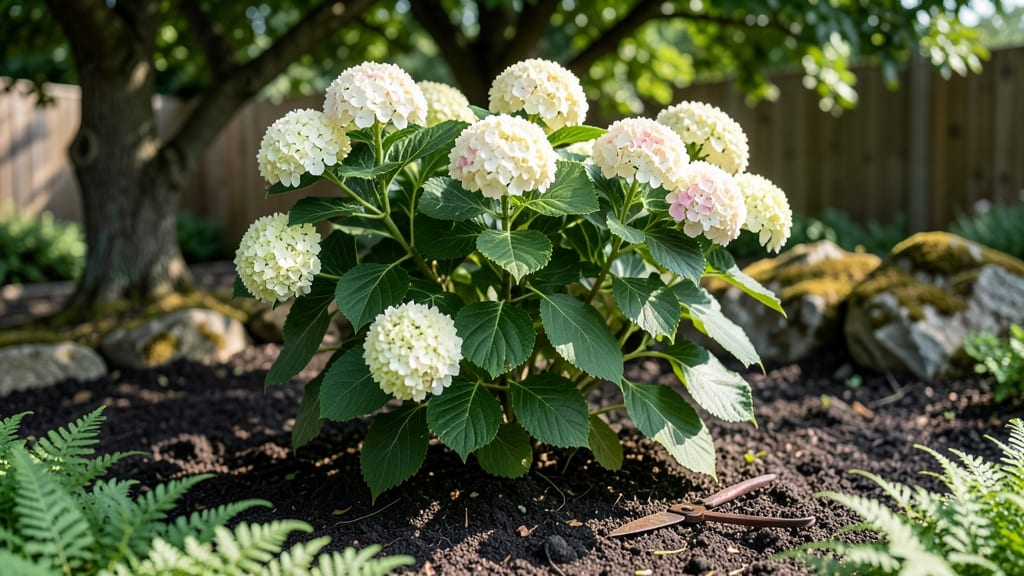
Shade-loving shrubs for Zone 8 thrive in low-light conditions while offering drought tolerance and vibrant foliage, with top picks like hydrangeas, azaleas, and pieris for year-round interest and minimal care.
Zone 8's warm climate and partial shade conditions create the perfect environment for hardy shrubs that don't need constant watering. 🌿 These plants develop deep root systems to access moisture efficiently, while their broad leaves maximize sunlight absorption even in dappled shade.
I've found that the best performers—like inkberry holly and Japanese pieris—maintain lush growth with just occasional deep watering once established. Their foliage often features striking colors that brighten shady corners year-round, from deep greens to fiery reds in fall.
What sets these shrubs apart is their ability to balance moisture needs with shade tolerance. Many varieties, such as hydrangeas, actually prefer morning sun and afternoon shade, which prevents leaf scorch while still encouraging blooms.
For dry spells, their waxy leaf coatings help retain moisture, making them ideal for water-conscious gardeners. The key is choosing species native to your region or adapted to Zone 8's 70-80°F summers, as these will naturally require less supplemental watering once planted.
💡 In This Article
- How to Select Drought-Tolerant Shrubs for Shady Zone 8 Gardens
- Top 5 Low-Maintenance Shade Shrubs for Zone 8 Landscapes
How to select drought-tolerant shrubs for shady Zone 8 gardens
The secret to thriving shade-loving shrubs in Zone 8 lies in their unique adaptations. These plants develop broad, leathery leaves that minimize water loss through transpiration while still capturing enough light for photosynthesis.
Their root systems often spread wide and deep—some reaching 3-5 feet down—to access moisture during dry spells. This is why species like inkberry holly and dwarf fountain grass (though technically ornamental grass) thrive with minimal irrigation once established.
Drought tolerance in shade plants works differently than in sun-lovers. While sun plants rely on thick cuticles or succulent tissues to store water, shade-adapted shrubs prioritize efficient moisture absorption through their extensive root networks.
For example, hydrangeas can reduce watering needs by 30-40% once their roots establish beyond the topsoil layer. Zone 8's 70-80°F summers actually help—warmer soil speeds up root growth, allowing plants to access deeper moisture reserves faster than in cooler climates.
What most gardeners overlook is how leaf structure affects shade performance. Shrubs with glossy or waxy leaf surfaces (like pieris) reflect excess light while retaining moisture, making them ideal for dappled shade conditions.
Their leaves also contain higher concentrations of antioxidants, which protect against oxidative stress during heatwaves. This is why these plants often outperform non-native varieties that expect full sun exposure.
Soil preparation makes all the difference in Zone 8. Amending native clay soils with 2-3 inches of compost improves drainage while retaining moisture—critical for shade plants that can't rely on sun for evaporation control.
Mulching with 3-4 inches of wood chips further reduces water loss by up to 70%, creating a microclimate that mimics their natural understory habitats. The key is balancing organic matter with proper drainage to prevent root rot.
Consider these plant characteristics when selecting:
- Root depth: Prioritize species with roots reaching 3+ feet (e.g., inkberry holly)
- Leaf texture: Choose leathery or waxy leaves for moisture retention
- Native range: Zone 8-adapted species need less than 1 inch of water weekly after establishment
- Seasonal color: Look for plants with year-round interest like pieris (spring blooms + winter foliage)
For best results, plant during Zone 8's cooler months (fall or early spring) when evaporation rates are lowest. This gives roots 6-8 weeks to establish before summer heat arrives, reducing early-season watering needs by 50%. 🌱