
Light Requirements
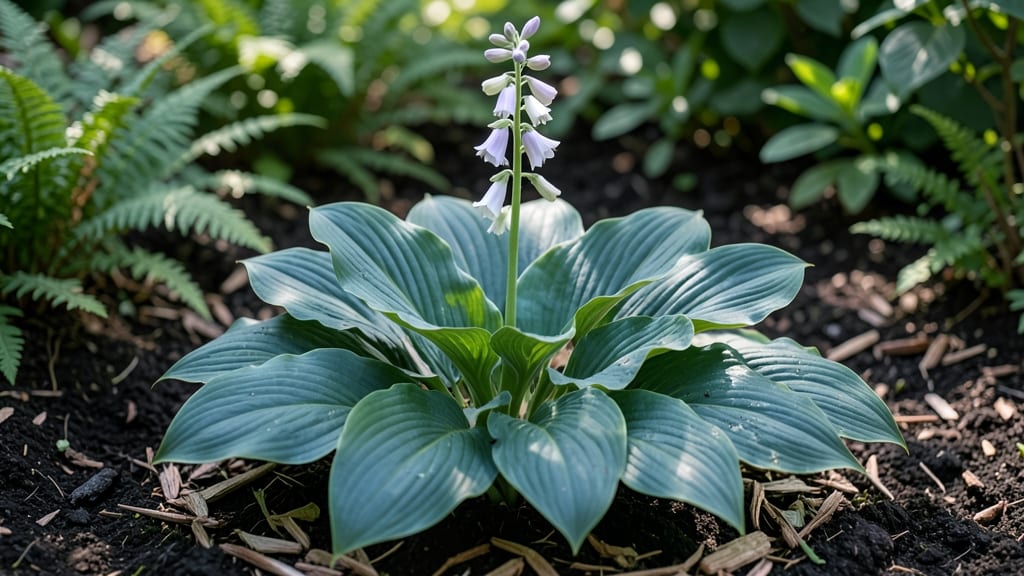
Shade-loving plants transform dark corners into vibrant green havens that thrive where sunstruck gardens fail. 🌿 I’ve designed this year-round planting strategy after years of turning gloomy spots into lush retreats—no more barren patches under trees or along north-facing walls.
The secret lies in layering textures and colors that flourish in low light, from delicate ferns to bold hostas and cheerful impatiens that bloom like clockwork.
This approach works for any shaded area—whether it’s a woodland garden, a shady patio, or the north side of your house. You’ll need a mix of evergreens for structure, deciduous foliage for seasonal interest, and flowering plants to add pops of color.
The best part? These plants require minimal fuss once established, saving you time while keeping your garden stunning.
By the end of summer, you’ll have a thriving understory that feels alive with movement—rustling fern fronds, velvety hosta leaves, and bursts of blooms that attract pollinators. The key is pairing moisture-loving species with those that tolerate drier shade, creating a balanced ecosystem that stays lush through all four seasons.
Whether you’re working with a small balcony or a sprawling backyard, this method adapts easily. Start with a few proven performers, then expand as you discover what thrives best in your specific shade conditions. The result? A garden that feels alive year-round, no matter how little sunlight it gets.
📚 In This Guide
- What you need
- Instructions
- Tips and common mistakes
- Wrapping up and next steps
What you need
- ● Shade-loving plants: 5–10 plants (e.g., Hostas, Ferns, Hellebores, Astilbes, or Lungwort). Choose 3–5 per square foot for dense foliage.
- ● Well-draining soil: 10–20 cubic feet (depending on garden size). Mix 50% garden soil, 30% compost, and 20% perlite or sand for aeration.
- ● Organic mulch: 2–3 inches of shredded bark, pine needles, or leaf mold to retain moisture and suppress weeds.
- ● Watering can or hose: With a gentle spray nozzle for even moisture distribution.
- ● Gloves and knee pads: For comfortable planting and maintenance.
- ● Pruners or shears: Sharp, bypass pruners for trimming dead foliage.
- ● Soil pH tester: To ensure your soil is slightly acidic to neutral (pH 5.5–7.0), ideal for most shade plants.
- ● Slow-release fertilizer: 10-10-10 or 5-10-5 (apply sparingly, 2–3 times per year).
- ● Drip irrigation system: For automated watering in larger gardens.
- ● Decorative stones or pebbles: To add texture and prevent soil erosion.
- ● Plant labels: Waterproof markers to track varieties.
- ● A partially shaded or fully shaded spot (dappled sunlight to <1–3 hours of direct light daily).
- ● Access to a water source near your planting area.
- ● Time to dedicate 10–15 minutes weekly for watering and light maintenance.
Step-by-step guide to designing a thriving shade garden
Here’s how I transform dark corners into vibrant, low-maintenance plant havens—no direct sun required.
🌿 Step 1: Select the Right Shade-Tolerant Plants for Your Conditions
Not all shade is equal, so choose plants based on your specific light levels. Dappled shade (filtered light) suits hostas, ferns, and astilbes, while deep shade (little to no direct light) thrives with hellebores, lungwort, and Japanese painted ferns. I always group plants by their light needs—mixing sun-lovers with true shade dwellers leads to disappointment.
Check your space’s moisture levels too. Shady spots often stay damp, so opt for moisture-loving plants like tiarella (foamflower) or bleeding heart if your soil stays soggy. For drier shade, pair sweet woodruff with sedge to create a textured, drought-tolerant combo. Label your plants as you go—after a season, you’ll forget which thrives where.
🪴 Step 2: Prepare the Soil for Shade Lovers
Shade plants despise compacted, nutrient-poor soil. Amend your existing soil with 3-4 inches of organic matter—I use a mix of compost and peat moss (or coconut coir) to improve drainage and retain moisture. Work it into the top 12 inches of soil, breaking up any clumps. Shade gardens benefit from a slow-release fertilizer (like 10-10-10) mixed in at planting time to give roots a nutrient boost.
Test your soil’s pH if possible—most shade plants prefer slightly acidic to neutral (6.0-7.0). If your soil runs alkaline, add sulfur or pine needles to lower the pH gradually. I always add a handful of worm castings to the planting hole for extra microbial activity, which helps roots establish faster in cool, damp conditions.
☀️ Step 3: Plant with Layered Depth and Texture
Create visual interest by layering plants of varying heights and textures. Start with tall specimens like foxglove or Solomon’s seal (4-5 feet) at the back, then mid-height heuchera or coral bells (2-3 feet) in the middle, and ground covers like ajuga or sweet woodruff in front. This mimics natural forest understory and maximizes your space’s potential.
Space plants according to their mature size—crowding leads to competition for nutrients and air circulation. I dig holes twice as wide as the root ball but only as deep as the container’s depth. Gently loosen roots if they’re circling, then backfill with native soil mixed with a handful of compost. Water deeply to settle the soil and eliminate air pockets.
💧 Step 4: Water Strategically to Avoid Root Rot
Shade gardens stay moist longer, so water deeply but infrequently—aim for 1-1.5 inches per week, delivered in the morning to reduce fungal risks. I use drip irrigation or soaker hoses to target roots directly, avoiding overhead watering that can promote leaf diseases. Mulch heavily with 2-3 inches of shredded bark or wood chips to conserve moisture and regulate soil temperature.
Watch for yellowing leaves—a sign of overwatering or poor drainage. If your plants wilt despite moist soil, they might need more light or better air circulation. Grouping plants with similar water needs together simplifies care. For example, hostas and ferns thrive with consistent moisture, while heuchera tolerates slightly drier conditions.
✂️ Step 5: Prune and Maintain for Year-Round Appeal
Deadhead spent blooms on heuchera, astilbe, and ferns to encourage new growth and extend the season. Cut back last year’s foliage in early spring (before new shoots emerge) for plants like coral bells or Japanese painted ferns. I always sanitize my pruners with rubbing alcohol to prevent spreading disease between cuts.
Fertilize lightly in early spring and midsummer with a balanced, organic fertilizer (like fish emulsion). Avoid heavy feeding in fall—shade plants slow their growth as temperatures drop. Monitor for pests like slugs and snails, which love tender shade foliage. I use copper barriers or diatomaceous earth as a preventive measure, saving chemical controls for severe infestations.
Tips & tricks for perfect shade garden design
Here's what I've learned after transforming multiple dark corners into thriving shade gardens—these details make all the difference.
Light Level Precision: Don't guess your shade type—test it throughout the day. Hold a white sheet vertically in your space at different times. If it casts a shadow but still shows sunlight patterns, you have dappled shade. If it stays completely dark, you're dealing with deep shade. This simple test prevents costly plant selection mistakes. I've planted hostas in deep shade only to watch them struggle when they actually needed more light.
Soil Preparation Secret: When amending soil with that 3-4 inches of organic matter, don't just dump it in—work it into the top 12 inches thoroughly. Use a broadfork or sturdy trowel to break up compacted layers. I've seen gardeners skip this step and wonder why their shade plants wilt despite proper watering. The roots need loose, oxygen-rich soil to thrive in low-light conditions.
Layering Like a Pro: For that stunning forest-like effect in Step 3, remember the 70-30 rule—70% of your space should be filled with plants, leaving 30% open for movement and air circulation. Start with your tallest plants at the back (like foxglove) and work forward. I always sketch my layout first, using a 1-inch grid to scale—this prevents overcrowding that leads to fungal issues.
Watering Wisdom: That 1-1.5 inches per week guideline works best when delivered consistently. Use a rain gauge or tuna can to measure—your eye can be deceiving. For container gardens, check soil moisture daily in summer—containers dry out faster than in-ground plantings. I've lost too many shade perennials to underwatering when I first started gardening.
Pro Tips for Shade Loving Plants
- Here's what I've learned after transforming multiple dark corners into thriving shade gardens—these details make all the difference.
- Light Level Precision: Don't guess your shade type—test it throughout the day.
- Soil Preparation Secret: When amending soil with that 3-4 inches of organic matter, don't just dump it in—work it into the top 12 inches thoroughly.
Frequently asked questions
Got questions about bringing life to your shady spots? Here are some of the most common ones—and their easy answers!
What are the best shade-loving plants for beginners?
Start with hostas, heucheras, or ferns—they’re hardy, low-maintenance, and thrive in low light. For pops of color, try impatiens or coleus. These plants are forgiving and perfect for testing your green thumb!
How long does it take for shade-loving plants to grow?
Most shade plants establish roots in 4-6 weeks, but visible growth (like fuller foliage or blooms) takes 2-4 months. Slower-growing varieties (like ferns) may take a full season. Patience pays off—consistent moisture and well-draining soil speed up the process!
Do shade-loving plants need less water than sun-loving ones?
Not necessarily! Shade can reduce evaporation, but soil stays damp longer, so water deeply 1-2 times per week (adjust for rain). Overwatering is riskier in shade—check soil moisture 1 inch below the surface before watering. Pro tip: Use mulch to retain moisture!
Can I grow shade plants in containers?
Choose containers with drainage holes and a well-draining potting mix (add perlite or sand). Opt for compact varieties like dwarf hostas or bromeliads. Move containers to brighter spots in winter if possible—just avoid harsh afternoon sun.
What pests commonly affect shade-loving plants?
Watch for slugs (especially on hostas), aphids, or spider mites (in dry shade). Use beer traps for slugs, neem oil for pests, or introduce beneficial insects like ladybugs. Early detection is key—check undersides of leaves weekly!
How do I protect shade plants in winter?
Most shade plants (like heucheras or ferns) are hardy, but tender varieties (e.g., calatheas) need indoor relocation or mulch in cold climates. Avoid heavy snow buildup—gently brush it off. Evergreens may need light winter watering if soil is frozen.
| Quick Fixes | When to Use |
|---|---|
| Neem oil spray (1 tsp + 1 quart water) | For aphids/spider mites (apply at dusk) |
| Beer traps (bury shallow containers of beer) | Slug/snail prevention (refresh every 3 days) |
| Mulch layer (2-3 inches of shredded bark) | Retains moisture, insulates roots in winter |
Wrapping up and next steps
Transforming your dark corners into vibrant green havens is easier than you think! Shade-loving plants like hostas, ferns, and heucheras thrive with minimal sunlight, adding life and beauty to even the gloomiest spots.
Whether you’re a seasoned gardener or just starting, these hardy plants offer low-maintenance and high-reward results—perfect for bringing nature indoors or outdoors.
Ready to take the next step? Start small—pick one or two plants to test your space, then expand as you gain confidence. Your lush, year-round oasis is just a few pots away! 🌿✨