
Plants
Florida’s humid climate and partial shade can make gardening challenging, but these 10 native shade-loving plants not only survive—they thrive. From low-maintenance ground covers to striking foliage, these plants bring beauty while requiring minimal care.
Coastal Azalea for Year-Round Color

If you’re tired of shade plants that bloom for just a season, coastal azalea (Rhododendron austrinum) is your game-changer. This Florida native bursts into color from spring through fall, defying the typical "one-season wonder" rule with its vibrant pink, purple, or white blooms.
Unlike high-maintenance azaleas, this variety thrives in partial shade to full sun and handles occasional drought once established. Its glossy evergreen leaves add structure year-round, making it perfect for foundation plantings or borders where you want low-maintenance color. Just amend your soil with compost at planting to ensure it gets off to a strong start.
Landscapers and homeowners with shady spots will love how this azalea attracts pollinators while requiring minimal pruning. It’s the ideal Florida-friendly shrub for both wild and manicured gardens. 🌷
Cast Iron Plant for Nearly Indestructible Foliage

Tired of plants that wilt at the first sign of neglect? The cast iron plant (Aspidistra elatior) is your new best friend—it thrives in Florida’s humidity, poor soil, and even foot traffic, making it ideal for patios, walkways, or under trees where other plants fail.
This evergreen perennial boasts deep green, leathery leaves that stay vibrant year-round, needing only moderate watering (water when the top inch of soil dries) and tolerating low light to partial shade. It’s perfect for beginners or busy gardeners who want low-maintenance foliage without sacrificing beauty.
Whether you’re filling a shady corner or lining a high-traffic path, this plant delivers durability and elegance with zero fuss. 💪
Firebush for Hummingbird Magnet Blooms

Want to turn your shady Florida garden into a hummingbird hotspot? Firebush (Hamelia patens) delivers year-round blooms in fiery red clusters that never fail to attract pollinators—even in partial shade. Unlike seasonal bloomers, this native shrub produces flowers continuously, creating a nonstop buffet for hummingbirds and butterflies.
Thriving in shade to partial sun, firebush adapts to Florida's humidity with ease and requires only minimal water once established. It tolerates various soil types, including sandy or clay-heavy soils common in Florida, making it a versatile choice for borders, hedges, or wildlife-friendly gardens. Prune lightly after flowering to maintain shape, but otherwise, this shrub cares for itself.
Perfect for eco-conscious gardeners or anyone who loves watching hummingbirds dart between blooms, firebush brings both beauty and function to shady spaces with almost no effort. 🌟
Frogfruit Ground Cover for Weed Suppression

Struggling with weeds under your Florida trees? Frogfruit (Phyla nodiflora) is the secret weapon you’ve been missing—a fast-spreading ground cover that smothers weeds naturally while thriving in shade and humidity. This native plant creates a dense, lush carpet that suppresses weeds without synthetic mulch, making it perfect for understory planting or as a living mulch.
Once established, frogfruit requires almost no maintenance—it tolerates drought once rooted and handles Florida’s acidic soils beautifully. Its small white flowers add subtle charm, and it spreads quickly to fill gaps, reducing erosion. For best results, plant in spring or early fall and water lightly until established.
This is the ultimate solution for gardeners who want low-effort weed control with year-round greenery. Perfect for woodland gardens, patios, or even between stepping stones! 🌱
Sweet Pepperbush for Fragrant Fall Interest

When your Florida garden needs a fragrant fall centerpiece that thrives in moist shade, sweet pepperbush (Clethra alnifolia) delivers with its clusters of highly aromatic white flowers that bloom from late summer through fall. This native shrub isn’t just beautiful—it’s a magnet for butterflies and bees, creating a living pollinator buffet in your shadiest spots.
Unlike many shade plants, sweet pepperbush loves moist, well-draining soil and handles Florida’s humidity with ease, making it ideal for woodland gardens or rain gardens. It tolerates partial shade but performs best with 4-6 hours of morning sun. Prune lightly after flowering to maintain shape, and watch as its delicate blooms fill the air with a sweet, spicy fragrance that lingers long after the flowers fade.
Perfect for gardeners who want seasonal interest without the fuss, sweet pepperbush also offers year-round structure with its glossy, dark green leaves. It’s the ultimate low-maintenance shrub for creating a serene, wildlife-friendly retreat. 🌿
Inland Sea Oats for Textured Privacy Screen

Want to create a natural privacy screen that thrives in Florida’s shade and humidity without sacrificing movement and texture? Inland sea oats (Chasmanthium latifolium) is your answer—a Florida native grass that grows 3-5 feet tall with delicate, feathery plumes that sway in the breeze, adding vertical interest to shady borders.
This drought-tolerant and flood-tolerant grass handles Florida’s unpredictable weather with ease, making it perfect for rain gardens or areas prone to occasional flooding. It thrives in partial to full shade and spreads slowly to form a dense, textured screen that outshines traditional hedges. Plant in spring or early fall for best results, and enjoy its seasonal interest from summer through winter.
Ideal for gardeners who love low-maintenance, eco-friendly solutions, inland sea oats also supports local wildlife by providing shelter for birds and insects. It’s the perfect choice for adding height and movement to shady corners with minimal effort. 🌻
Coral Ardisia for Year-Round Berries

Want a year-round pop of color in your shady Florida garden without the fuss? Coral ardisia (Ardisia crenata) delivers glossy red berries that stay vibrant from winter through spring—no seasonal gaps, no pruning, and no drama. This evergreen shrub thrives in deep shade, making it perfect for under trees, along north-facing walls, or in containers where sunlight is scarce.
Unlike berry-producing plants that require deadheading or pruning, coral ardisia maintains its tidy form naturally, growing 3–5 feet tall with a similar spread. It handles Florida’s humidity beautifully and tolerates sandy to clay soils, though well-draining soil prevents root rot. For best results, plant in spring or early fall and water regularly until established—after that, it’s drought-tolerant once rooted.
Urban gardeners and container lovers will adore how coral ardisia fits into small spaces, while landscape designers use it for low-maintenance hedges or as a striking focal point. Its winter berries provide food for birds when other plants are dormant. 🌻
Dwarf Yaupon Holly for Year-Round Structure

Looking for a year-round structural plant that stays lush and green even in Florida’s winter chill? Meet the dwarf yaupon holly (Ilex vomitoria), a compact evergreen shrub that delivers vibrant red berries and glossy dark green needles without the fuss of pruning or seasonal color loss.
This Florida native thrives in shade to partial sun, making it perfect for foundation plantings, small-space gardens, or container growing. Unlike many holly varieties, dwarf yaupon stays under 3-4 feet tall, fitting neatly into tight spaces while providing winter interest when other plants fade. It’s also drought-tolerant once established, requiring only occasional watering and handling Florida’s sandy or clay soils with ease.
Ideal for homeowners who want low-maintenance structure with wildlife benefits—birds adore the berries—this holly is a standout for both urban gardens and traditional landscapes. 🌟
Lanceleaf Viburnum for Spring Blooms

Looking for a Florida native that transforms your shady garden into a fragrant spring paradise? Lanceleaf viburnum (Viburnum dentatum) is your answer—a shrub that bursts into scented white flower clusters in April and May, filling the air with a sweet, honey-like aroma that attracts bees and butterflies.
This versatile shrub thrives in partial to full shade, making it perfect for understory plantings or woodland gardens where other plants struggle. After its spring blooms fade, bright red berries appear in late summer, providing food for birds through winter. It adapts to Florida’s humid climate and sandy soils, needing only moderate water once established—ideal for low-maintenance landscapes.
Wildlife gardeners and pollinator enthusiasts will love how lanceleaf viburnum supports local ecosystems while offering seasonal interest year-round. It’s the perfect choice for creating a fragrant, wildlife-friendly garden with minimal effort. 🌿
Dwarf Fetterbush for Moisture-Loving Gardens

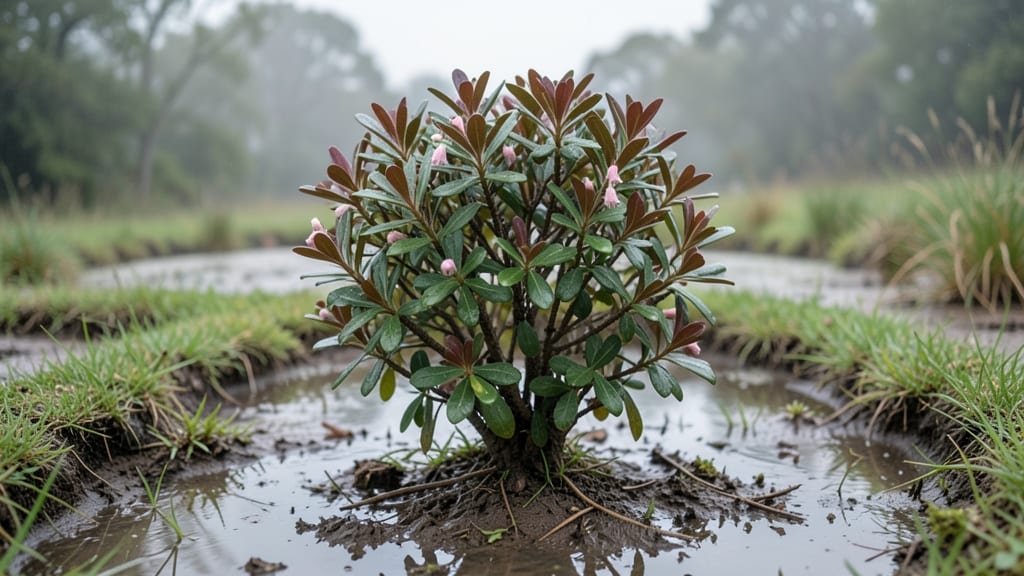
If your Florida garden has soggy spots that other plants avoid, dwarf fetterbush (Lyonia fruticosa) is the unsung hero you’ve been missing. This native shrub doesn’t just tolerate wet soil—it thrives in boggy conditions, making it ideal for rain gardens, pond edges, or areas where water pools after heavy rains.
With its fragrant white flowers blooming in late spring to early summer, dwarf fetterbush adds a delicate, sweet scent to shady corners while attracting pollinators. It grows 3–5 feet tall with a rounded shape, perfect for foundation plantings or mass plantings in moist shade. Unlike many wetland plants, it handles Florida’s humidity without yellowing leaves, and its evergreen foliage provides year-round structure.
Perfect for eco-conscious gardeners or those with challenging landscapes, this shrub also supports local wildlife by offering shelter and nectar. Just avoid over-fertilizing—it prefers acidic, well-draining (even if wet) soil. 💚