
Light Requirements
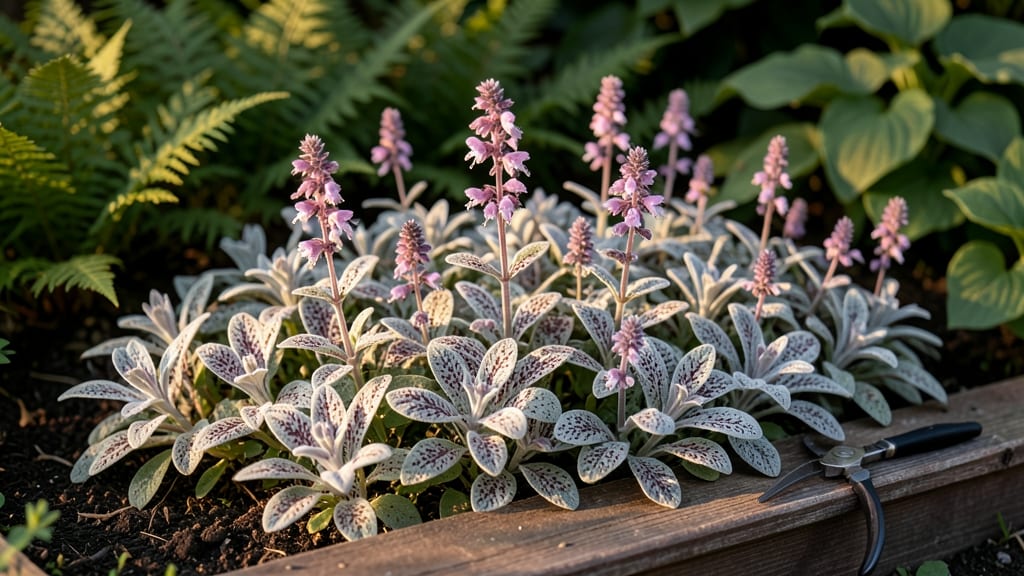
My shade-loving groundcover game changed when I replaced a patch of struggling mulch with sweet woodruff—now it’s a fragrant, evergreen carpet that thrives under my oak tree. 🌿 The right groundcover turns shady spots into lush, low-maintenance gardens without begging for sunlight.
These plants handle deep shade, suppress weeds, and even prevent erosion while adding texture and seasonal interest.
Think beyond ivy—options like heuchera (coral bells), ajuga (bugleweed), and lamium (dead nettle) deliver vibrant foliage in purple, silver, or chartreuse hues. They spread slowly but steadily, filling gaps between hostas or ferns while keeping soil cool and moist.
Most handle 4+ hours of shade daily, making them perfect for north-facing beds or understory plantings.
By late summer, you’ll have a dense, weed-blocking layer that stays green through winter (with some evergreen options). The best part? These plants need minimal watering once established—just occasional trimming to keep them tidy. They’ll outcompete weeds, reduce water loss, and create a polished look that’s easier than mowing.
Works for pathways, slopes, or as a living mulch around trees—no sun required. Here’s how to pick the right mix for your shade level and design goals.
📚 In This Guide
- What you need
- Instructions
- Tips and common mistakes
- Wrapping up and next steps
What you need
- ● Shade-tolerant groundcover plants: 10–20 plants of Hosta (e.g., 'Blue Angel' or 'Francee') – 3–6 inches tall at planting.
- ● 10–15 plants of Heuchera (e.g., 'Palace Purple' or 'Lime Rickey') – 4–6 inches tall.
- ● 5–10 plants of Lamium or Dead Nettle (e.g., 'White Nancy' or 'Purple Dragon') – 6–12 inches tall, spreading habit.
- ○ Optional: Ajuga (e.g., 'Chocolate Chip') – 6–12 inches tall, great for texture.
- ● Soil amendments: 2–3 bags (40 lb each) of peat moss or coconut coir – improves drainage in heavy clay.
- ● 1–2 bags (40 lb each) of compost – adds nutrients for root growth.
- ● Tools: 1 garden trowel (for planting small roots).
- ● 1 hand pruners (for trimming and shaping).
- ● 1 garden hose with spray nozzle (for gentle watering).
- ● 1 wheelbarrow or bucket (for mixing soil amendments).
- ● Location prep: Test soil pH (ideal: 5.5–6.5 for most shade-lovers). Use a soil test kit ($10–$15).
- ● Clear debris (rocks, weeds) from the planting area.
- ○ Optional but helpful: 1 mulch blanket (2–3 ft wide, 2–3 inches thick) – retains moisture and suppresses weeds.
- ● 1 slow-release fertilizer (e.g., 10-10-10, 1 lb per 100 sq ft) – boosts early growth.
- ○ 1 landscape fabric (optional for invasive areas) – 3–4 ft wide.
How to design a thriving shade-loving groundcover privacy screen
Here's how I create lush, sun-free privacy screens that stay vibrant year-round.
🌿 Step 1: Select the Right Plant Combinations for Your Shade Level
Start by assessing your shade conditions—deep shade (less than 3 hours of light) requires different plants than partial shade (3-6 hours of light). For deep shade, I rely on heuchera, ajuga, and ferns like maidenhair or Japanese painted. In partial shade, hostas, astilbes, and lungwort deliver bold foliage and texture.
I always layer plants by height: tallest in back (4-6 feet), mid-height (1-3 feet) in the middle, and low-spreading types (under 12 inches) in front. This creates a natural privacy screen that looks intentional, not crowded. For example, I pair 6-foot tall astilbes with 2-foot hostas and 6-inch ajuga for a seamless transition.
🪴 Step 2: Prepare the Soil for Moisture-Loving Plants
Shade-loving groundcovers hate dry soil. Amend your native soil with 3 inches of organic compost and 1 inch of perlite to improve drainage while retaining moisture. I mix these into the top 6 inches of soil where roots will establish. For heavy clay, add 2 inches of coarse sand to prevent compaction.
Test soil moisture by squeezing a handful—it should hold together without dripping. If it crumbles, add more compost; if it stays wet, mix in perlite. I always water the amended soil thoroughly before planting to help roots penetrate easily. This step prevents the #1 killer of shade plants: root rot from poor drainage.
☀️ Step 3: Plant in Staggered Rows for Full Coverage
Arrange plants in a staggered pattern with 18-24 inches between each plant, depending on mature size. For example, hostas need 2 feet of space, while ajuga can sit 12 inches apart. Plant slightly deeper than the root ball—about 1 inch lower—to encourage root spread.
I firm soil gently around each plant but avoid compacting it. Water immediately after planting to eliminate air pockets. Mulch with 2-3 inches of shredded bark to suppress weeds and retain moisture. This layer also protects shallow roots from temperature swings, which shade plants are particularly sensitive to.
💧 Step 4: Water Deeply and Adjust Care for Shade Conditions
Water newly planted groundcovers 2-3 times per week for the first month, then taper to once weekly once established. The key is deep watering—1 inch per week—to encourage deep root growth. I check soil moisture by inserting my finger 2 inches down; if dry, it's time to water.
Fertilize lightly in spring with a balanced 10-10-10 formula at half strength. Shade plants don't need much—too much fertilizer leads to leggy growth and weak stems. I skip fertilizer in fall to let plants harden off for winter. Watch for yellowing leaves, which often signals overwatering or poor drainage.
✂️ Step 5: Maintain Through Seasonal Adjustments
Cut back dead foliage in early spring before new growth appears. I leave 2-3 inches of stem to protect emerging shoots from frost. For aggressive spreaders like ajuga, I trim back one-third of the plant in late summer to encourage bushier growth and prevent it from overtaking other plants.
Monitor for pests like slugs and snails—shade creates the perfect humid environment for them. I set out beer traps or apply diatomaceous earth around plants at dusk when pests are most active. With proper care, your shade screen will fill in completely within 2-3 seasons, creating a lush, low-maintenance privacy barrier.
Tips & tricks for perfect shade-loving groundcover privacy screens
Creating a thriving shade screen comes down to these key details that make all the difference between a patchy mess and a lush, living privacy barrier.
Plant Selection Strategy: When choosing between deep shade (less than 3 hours of light) and partial shade (3-6 hours of light) plants, consider their mature heights from the start. I've found that pairing 6-foot astilbes as your tallest layer creates instant height, while 6-inch ajuga fills in the gaps at ground level. The secret is to buy slightly larger plants—those with established root systems—so they fill in faster and reduce the 2-3 season wait time.
Soil Preparation Secret: The 3 inches of organic compost and 1 inch of perlite mix isn't just about drainage—it's about creating a sponge-like environment that holds moisture without suffocating roots. For clay soil, I recommend adding that extra 2 inches of coarse sand and mixing it thoroughly into the top 6 inches. This prevents the dreaded root rot that kills so many shade plants by creating tiny air pockets throughout the soil.
Planting Depth Technique: Planting 1 inch deeper than the root ball might seem counterintuitive, but it encourages roots to spread outward rather than upward. I've seen plants with shallow roots struggle during dry spells, while those planted deeper establish much faster. After planting, I always press the soil gently around the base to eliminate air pockets, then give it a thorough watering to help roots make immediate contact with the amended soil.
Seasonal Maintenance Hack: The 2-3 inches of mulch I recommend isn't just for weed suppression—it's a temperature regulator. In summer, it keeps roots cool; in winter, it insulates against frost. For aggressive spreaders like ajuga, I trim back one-third of the plant in late summer to encourage bushier growth. This simple pruning prevents them from overtaking other plants while keeping the screen looking intentional rather than wild.
Pro Tips for Shade Loving Groundcover
- Creating a thriving shade screen comes down to these key details that make all the difference between a patchy mess and a lush, living privacy barrier.
- Plant Selection Strategy: When choosing between deep shade (less than 3 hours of light) and partial shade (3-6 hours of light) plants, consider their mature heights from the start.
- Soil Preparation Secret: The 3 inches of organic compost and 1 inch of perlite mix isn't just about drainage—it's about creating a sponge-like environment that holds moisture without suffocating roots.
Frequently asked questions
Got questions about shade-loving groundcovers? You’re not alone! Here are answers to the most common queries to help you create the perfect low-light privacy screen with ease.
What are the best shade-tolerant groundcovers for full shade?
Top picks include Hosta, Lungwort (Pulmonaria), Sweet Woodruff (Galium odoratum), and Alum Root (Heuchera). These thrive in less than 4 hours of direct sun and add texture, color, and year-round interest.
How long does it take for shade-loving groundcover to establish?
Most shade-tolerant groundcovers take 1–2 seasons to fully spread and fill gaps. Slow growers like Hosta may take longer, while aggressive spreaders like Sweet Woodruff can cover space faster. Patience pays off!
Do shade-loving groundcovers need extra watering?
Yes! While they tolerate shade, they still need consistent moisture, especially in the first year. Water deeply 1–2 times per week (more in extreme heat) to prevent wilting. Mulch helps retain moisture.
Can I mix shade-loving groundcovers with other plants?
Pair them with ferns, astilbes, or shade-tolerant perennials for a lush, layered look. Just ensure all plants share similar water and light needs to avoid competition.
Why is my shade groundcover turning yellow or dying?
Yellowing or dying can signal overwatering, fungal issues (like powdery mildew), or poor drainage. Check soil moisture, improve airflow, and ensure well-draining soil. Fungal problems? Try neem oil or copper fungicide.
Wrapping up and next steps
Transforming your shady spots into lush, private retreats is easier than you think!
Whether you’re drawn to the delicate charm of Hosta, the bold texture of Heuchera, or the hardy resilience of Liriope, these shade-loving groundcovers deliver beauty and function—no sun required. 🌿✨ With the right mix of plants, soil prep, and a little patience, you’ll create a thriving green screen that’s both practical and stunning.
Ready to take the next step? Start small: Test a 3-foot section with your favorite combo, then expand as confidence (and foliage!) grows. Snap a progress pic—your future self (and neighbors) will thank you!