
Flowers
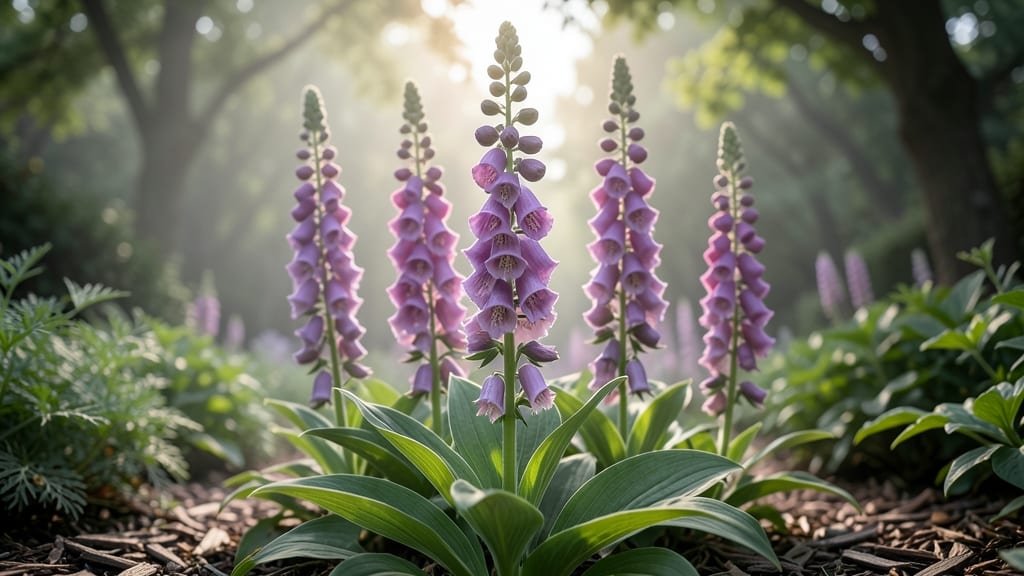
Zone 7 gardens can still burst with color—even in shady spots. These 10 shade-tolerant flowers thrive where sunlight struggles, offering vibrant blooms from spring through frost with minimal care.
Heuchera Coral Bells for Textured Foliage
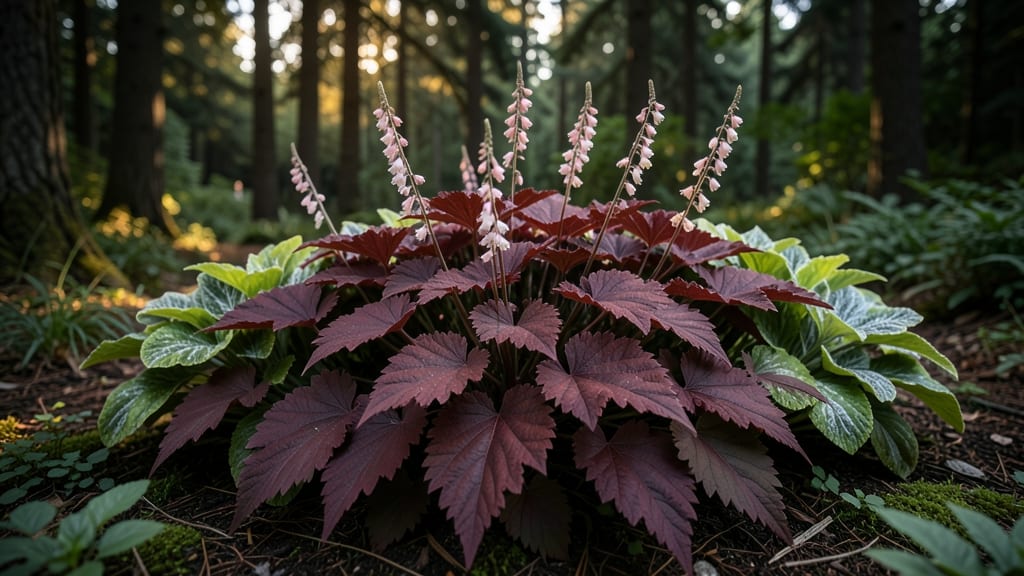
Tired of shade gardens that look dull and lifeless? Heuchera Coral Bells bring bold color and texture to even the darkest corners—no sunlight required. These evergreen perennials offer foliage in every shade imaginable, from deep burgundy to lime green or silvery hues, paired with delicate flowers that add subtle charm.
Perfect for beginners, Coral Bells thrive in deep shade with minimal care. Plant them in well-draining soil and water occasionally—once established, they’re drought-tolerant. Their compact size (12-18 inches tall) makes them ideal for borders, containers, or woodland gardens. Choose varieties like 'Palace Purple' for rich foliage or 'Lime Rickey' for a bright pop.
This low-maintenance plant adds year-round interest, so it’s perfect for busy gardeners or urban spaces with limited sunlight. 💚
Astilbe Feathered Blooms in Moist Soil
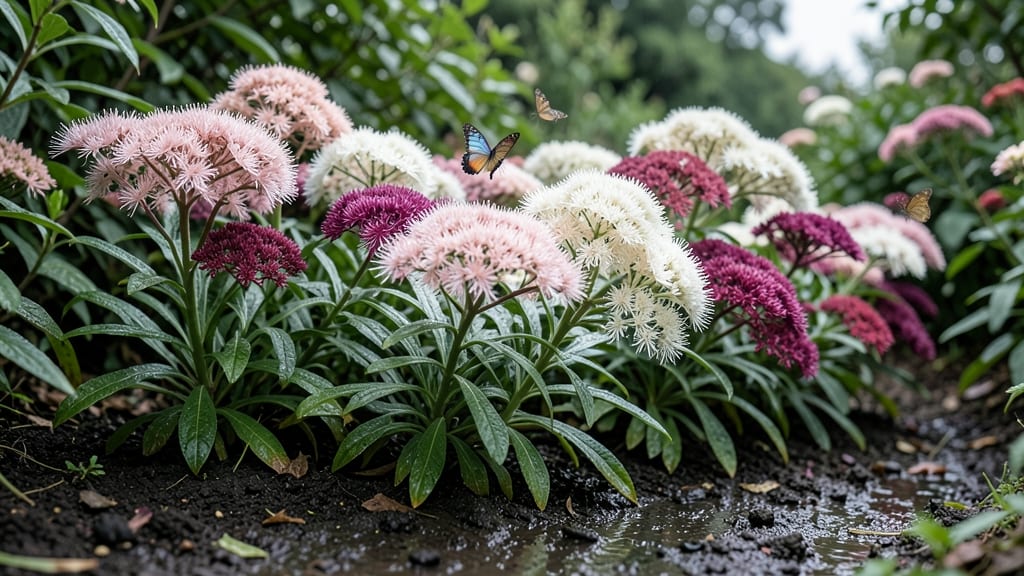
Turn that soggy corner of your garden into a butterfly magnet with astilbe, the feathered blooms that thrive where others drown. These cloud-like flowers in pink, white, or red create 6-8 weeks of drama—perfect for filling gaps between spring and summer blooms.
Plant astilbe in moist, well-draining soil (they love morning sun with afternoon shade) and avoid letting roots sit in standing water. The secret to preventing root rot? Amend clay soil with compost and mulch heavily—this plant rewards patience with butterfly-attracting plumes that sway in the breeze. Deadhead spent blooms to encourage a second flush.
This is the ideal shade plant for gardeners with damp spots who want long-lasting color without the fuss. Urban gardeners with rain gardens or woodland edges will love how astilbe bridges the gap between spring ephemerals and summer perennials. ✨
Hosta Varieties with Giant Blue Leaves
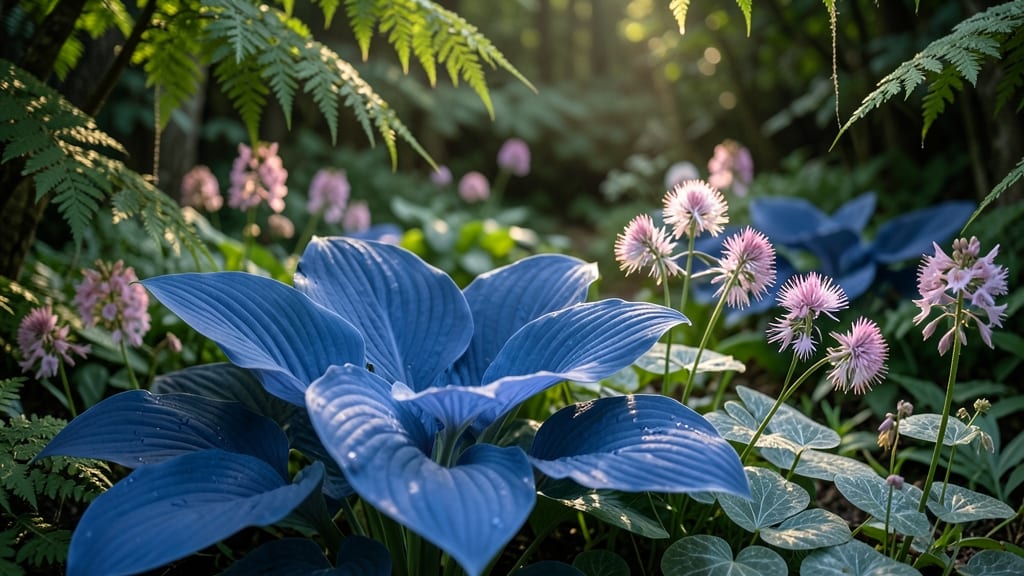
Want a shade garden that feels like a lush forest without the upkeep? Giant blue hostas like 'Blue Angel' or 'Patriot' deliver bold, velvety foliage that serves as a living backdrop for delicate shade flowers—think astilbes or lungwort—while keeping pests at bay.
These low-maintenance workhorses thrive in partial to full shade and prefer consistent moisture, making them ideal for mature gardens with dappled sunlight. Their pest-resistant nature means fewer slugs and snails, and their slow-growing habit ensures they won’t crowd out smaller plants. For best results, amend soil with compost and mulch annually to retain moisture.
Perfect for gardeners who love textural contrast without the fuss, these hostas add drama to woodland-style beds or as a focal point under trees. 💚
Bleeding Heart Flowers for Vertical Drama
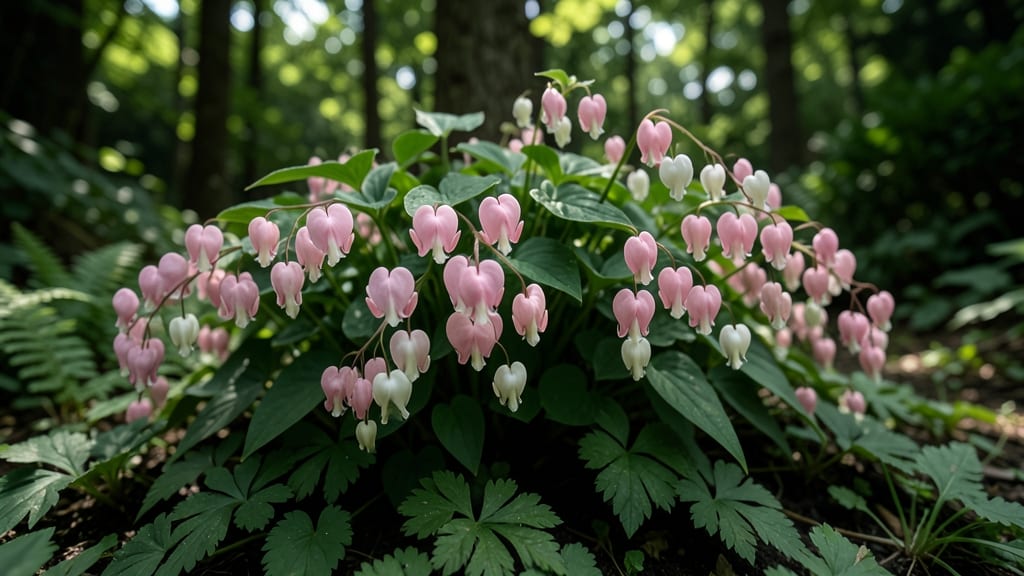
Turn a shady corner into a romantic focal point with bleeding heart flowers (Dicentra spectabilis), whose delicate, heart-shaped blooms cascade like watercolor strokes in spring. This classic shade perennial thrives in partial to full shade, making it perfect for understory planting or as a container star on patios.
For extended blooms, deadhead spent flowers in early summer to encourage a second flush of blossoms later in the season. Plant in well-draining, moist soil enriched with compost—these divas appreciate consistent moisture but hate soggy roots. Their arching habit (2-3 feet tall) creates natural vertical drama, whether spilling over a stone wall or framing a cottage-style border.
Urban gardeners and small-space lovers will adore how bleeding hearts fit neatly into containers or narrow beds, while traditionalists can use them to soften foundations or woodland edges. Just remember: these beauties are short-lived perennials, so treat them as annuals or plan to replace them every few years. 🌷
Lungwort for Healing and Pollinators
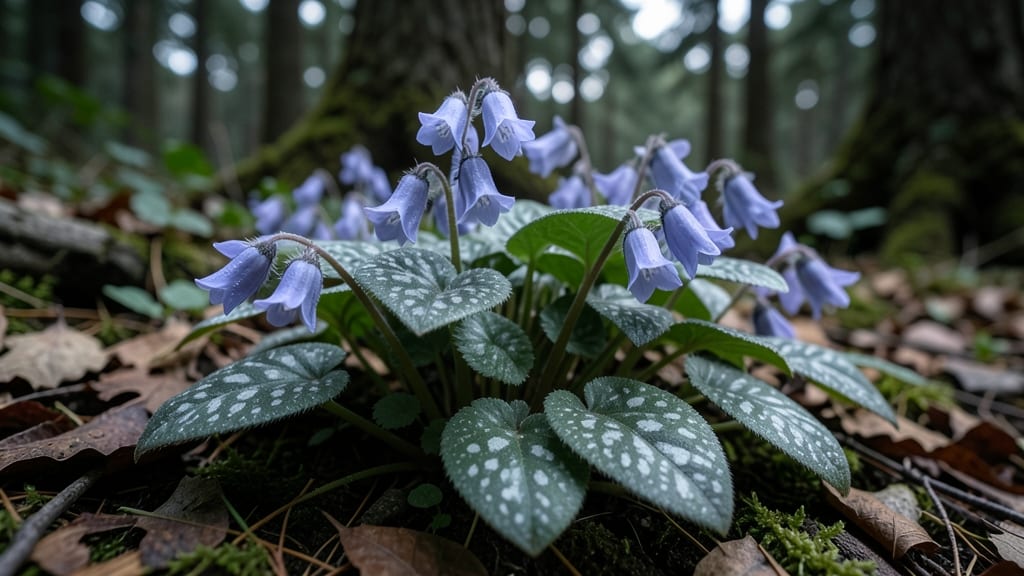
Tucked in the shadows of your garden lies a plant with a storied past: lungwort (Pulmonaria), a medicinal powerhouse that thrives where others falter. Its silvery-spotted leaves and delicate blue-purple blooms create a striking contrast while drawing in pollinators like bees and butterflies—making it a dual-purpose star for both beauty and biodiversity.
This hardy perennial adapts to nearly any shade condition, from dry woodland edges to moist, well-drained soil, and rarely needs dividing—just let it spread naturally. The flowers even shift color from pink to blue as they mature, adding a magical touch. Lungwort’s self-seeding habit ensures it returns year after year with minimal effort, rewarding you with early spring blooms.
Perfect for herbalists, pollinator gardens, or woodland-inspired beds, lungwort bridges history and modern gardening—adding both healing heritage and effortless charm to your shade garden. 💚
Japanese Painted Fern for Lace-Like Foliage
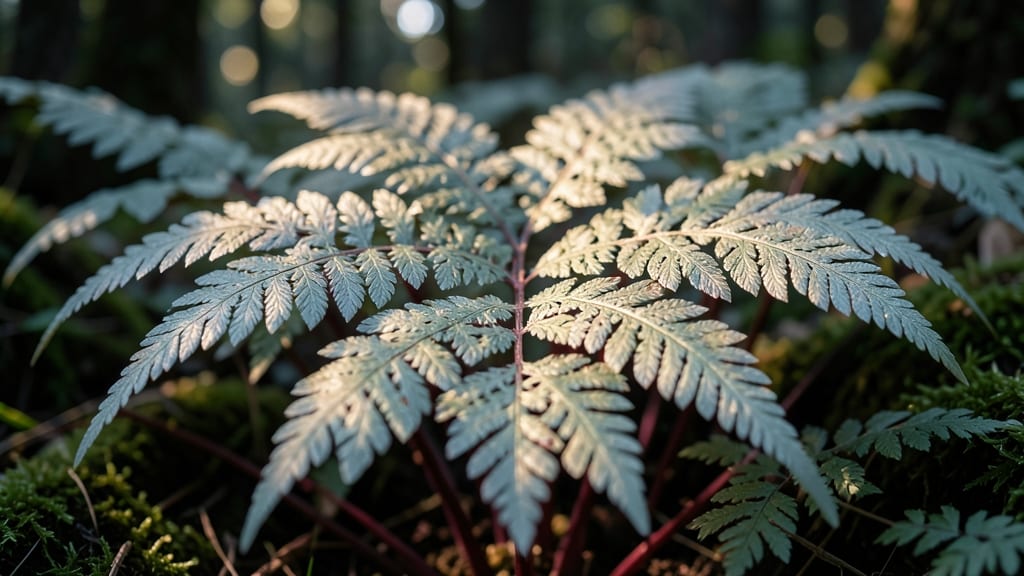
Skip the flashy blooms—this Japanese painted fern (Athyrium niponicum var. pictum) steals the show with its lace-like fronds that shimmer in silver, green, and deep burgundy. Unlike flowering plants, its intricate foliage provides year-round texture, making it a woodland garden's secret weapon.
Thriving in partial to full shade, it loves acidic, well-draining soil—perfect for understory planting where other flowers falter. Water consistently to keep fronds crisp, and watch them cascade beautifully as a ground cover or focal point. Its slow-spreading habit means less competition with neighboring plants.
Ideal for gardeners who crave drama without the upkeep, this fern pairs beautifully with hostas and lungwort. It’s the quiet star that turns shady corners into lush, textured sanctuaries. 🌿
Sweet Woodruff for Fragrant Ground Cover
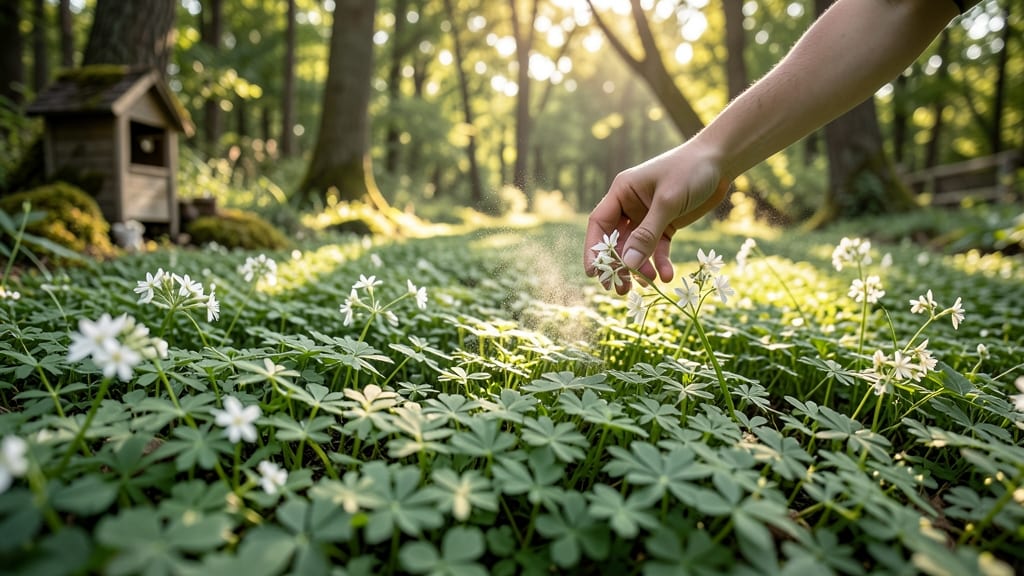
Want a ground cover that smells like vanilla on a spring walk? Sweet woodruff delivers that dreamy fragrance when crushed, while creating a lush, weed-suppressing carpet under trees or in fairy gardens.
This shade-loving perennial thrives in partial to full shade and spreads quickly to form dense mats, making it perfect for areas where grass struggles. Its delicate white star-shaped flowers appear in late spring, and the foliage stays green until frost. For best results, plant in well-draining soil and water moderately—it’s drought-tolerant once established.
Gardeners with limited sunlight or small spaces will love how sweet woodruff fills gaps without competing with other plants. It’s also deer-resistant, making it a practical choice for woodland gardens. 🌿
Toad Lily for Dramatic Spikes of Blooms
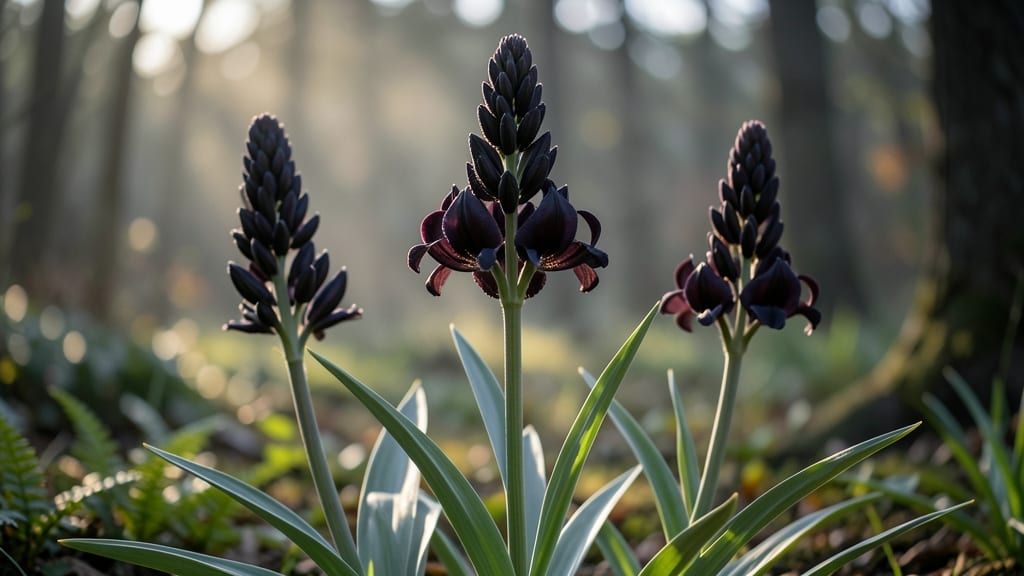
When your shade garden feels like it’s missing that late-summer drama, toad lily (Tricyrtis) delivers with its striking black-purple blooms on tall, elegant spikes. Unlike spring bloomers, this perennial emerges in August and September, filling gaps when many gardens are winding down.
Thriving in deep shade where most flowers struggle, toad lily spreads slowly—meaning fewer divisions and less maintenance. Its moisture-loving roots pair perfectly with hostas or ferns, while its vertical spikes (2-3 feet tall) add height to woodland gardens. Deadhead spent blooms to encourage a second flush in fall.
Perfect for gardeners who want dramatic impact without the work, toad lily’s unique color and timing make it a standout for containers, borders, or woodland edges. 🌷
Coral Bells with Silver Variegation
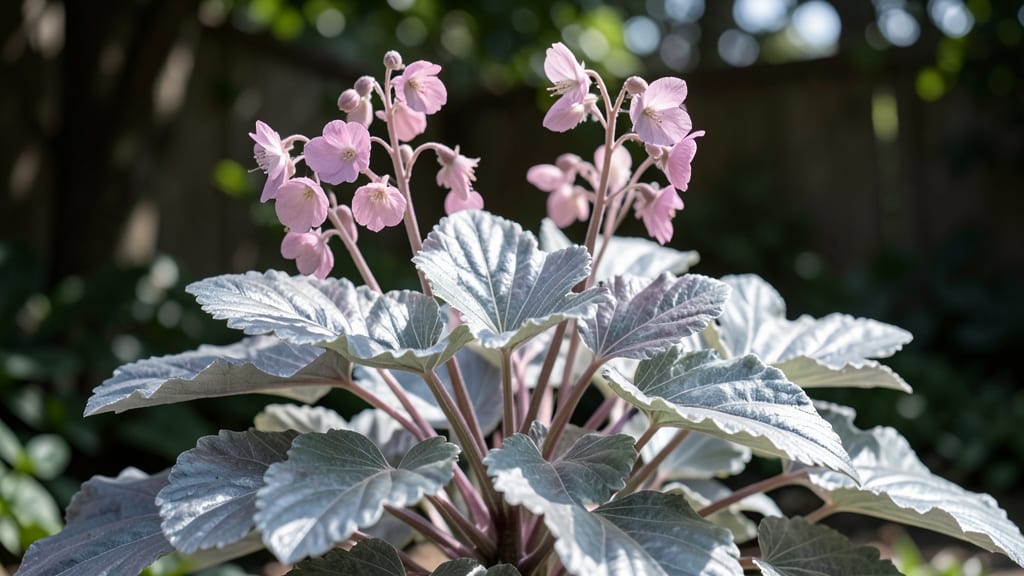
Want a shade plant that feels like a modern art piece? Coral bells with silver variegation (Heuchera 'Silver Paloma') combines sleek foliage with delicate pink blooms, creating a striking contrast that elevates contemporary gardens. Unlike traditional coral bells, this variety thrives in partial to full shade while demanding minimal water once established.
This drought-tolerant perennial boasts silvery-pink leaves that shimmer in low light, paired with airy clusters of pink flowers that appear in late spring. It prefers well-draining soil and benefits from a light mulch to retain moisture during hot Zone 7 summers. The compact growth habit (12-18 inches tall) makes it perfect for borders, containers, or as a focal point in modern landscapes.
Urban gardeners and minimalist designers will love how this plant adds architectural interest without overwhelming space. Once planted, it requires almost no maintenance—just occasional deadheading to encourage more blooms. 💚
Foxglove for Biennial Height and Whimsy

If you crave drama in your shade garden without sacrificing height or whimsy, foxglove delivers towering spikes of bell-shaped blooms that feel like a fairy-tale centerpiece. This biennial giant (Digitalis) grows 3-5 feet tall, perfect for back borders or cottage garden focal points where other plants shy away.
Sow seeds in fall for a stunning spring display—just remember these are toxic to pets and humans, so plant where children and animals can’t access them. Foxglove thrives in partial to full shade and moist, well-draining soil, making it ideal for woodland edges or alongside hostas and ferns. The pollinator-friendly blooms attract bees and hummingbirds while adding vertical interest that lifts any shady corner.
Best for gardeners who love low-maintenance plants with high impact, foxglove’s whimsical charm comes with a warning: once established, it self-seeds readily, so deadhead spent blooms if you want to control its spread. 🌷