
Tools
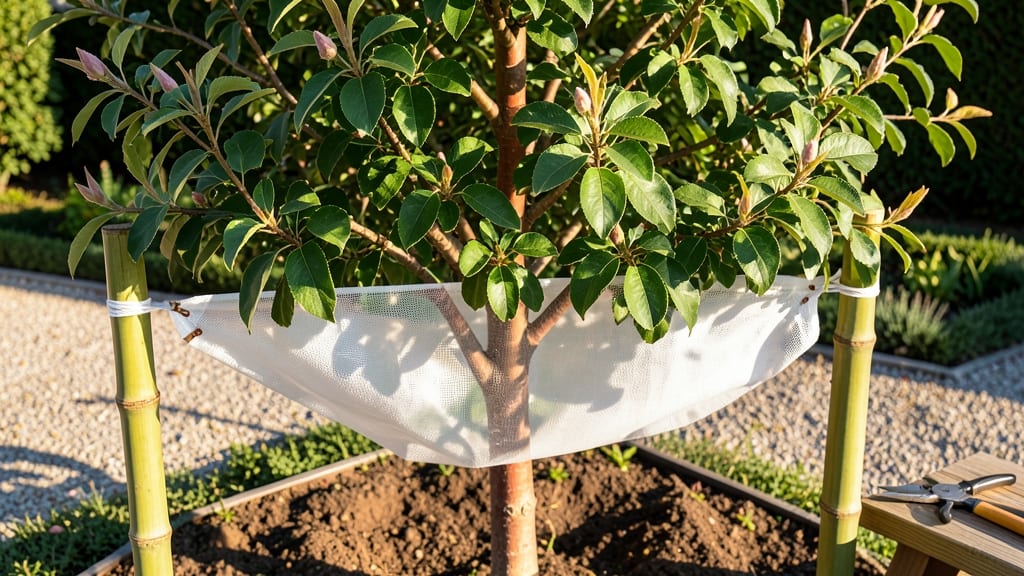
My fruit trees nearly collapsed under last summer's relentless sun—until shade cloth saved them. 🌿 The right percentage of shade reduces stress, prevents sunburn, and keeps fruit quality high while still letting enough light for growth. I went from worried orchard keeper to confident fruit grower in one season.
The key is matching the shade percentage to your climate: 30% for hot summers, 50% for intense sun, or 70% for young trees. Install it when buds form but before full bloom, and remove it when fruit starts coloring.
My peaches stayed sweet and my apples stayed crisp—no more leather-textured skins or cracked fruit. You'll see healthier foliage, fewer pests hiding in scorched bark, and trees that fruit more consistently. The cloth also stretches the harvest season by protecting blossoms from late frosts.
It's a game-changer for anyone dealing with extreme heat or young, sensitive trees. Works for peaches, apples, cherries, and even citrus—just adjust the percentage based on your microclimate. Here's how to set it up right the first time.
📚 In This Guide
- What you need
- Instructions
- Tips and common mistakes
- Wrapping up and next steps
What you need
- ● Shade cloth: 30-50% density (for fruit trees; adjust based on climate). Measure your tree canopy area—buy 10-20% extra for overlaps and adjustments. Common sizes: 10’x20’ or 10’x30’ rolls.
- ● Support structure: T-posts or stakes: 2-3 per tree (6’ tall, galvanized for durability).
- ● PVC pipes or wooden posts: 1-2” diameter, 8-10’ long (for larger trees).
- ● Bungee cords or zip ties: Heavy-duty (1/4” width, 12” length) to secure cloth to supports.
- ● Corner brackets or clips: 4-6 per tree (galvanized metal for longevity).
- ● Measuring tape (25’+ for accuracy).
- ● Scissors or utility knife (for cutting cloth cleanly).
- ● Post hole digger or auger (manual or electric).
- ● Hammer or mallet (for securing stakes).
- ○ Staple gun (optional, for cloth edges to posts).
- ● Adjustable tension wires: For fine-tuning shade coverage as trees grow.
- ● Reflective side panels: To bounce extra light onto tree edges (great for uneven sunlight).
- ● Windbreaks: If your area is breezy, add a secondary layer (e.g., mesh netting).
- ● Weather-resistant spray: To extend cloth lifespan (e.g., UV protectant).
How to use shade cloth to protect and enhance young fruit trees
Here's the simple system I use to shield young fruit trees from harsh sun while still letting them grow strong.
🌱 Step 1: Choose the Right Shade Cloth and Size
Select 30-50% shade cloth for young trees—this blocks enough sun to prevent leaf scorch while still allowing photosynthesis. Measure your tree's height and spread, then buy cloth at least 2 feet wider than the tree's canopy on all sides. For a 6-foot tree, you'll need cloth that's about 8 feet wide to drape properly over the top and sides.
I always opt for white or silver cloth—these reflect heat better than black or green, which can absorb sunlight and bake the tree. Avoid cheap plastic alternatives; proper shade cloth breathes and lets air circulate while blocking UV rays. Cut the cloth to size before installation to avoid awkward draping later.
☀️ Step 2: Install the Frame and Support System
Build a temporary frame using 4-6-foot PVC pipes or wooden stakes positioned 1 foot outside the tree's drip line. For a 6-foot tree, I use 4 stakes at the corners and 2 vertical supports in the center to create a pyramid shape. Secure the cloth to the frame using zip ties or soft cloth clips—never staples or nails, which can tear the fabric.
The frame should sit 18-24 inches above the tree's highest branches to allow airflow at the base. Test the tension by gently pulling the cloth—it should be snug but not stretched tight. If it sags, add more vertical supports. This prevents the cloth from touching the leaves, which can cause moisture buildup and fungal issues.
🪴 Step 3: Drape and Secure the Cloth Properly
Start draping the cloth from the top center and work outward, letting it overlap by 6-8 inches on all sides. Secure it loosely at first—you'll adjust as the tree grows. Use soft clips or twist ties every 2 feet along the edges to prevent flapping in wind. The goal is to create a tent-like cover that blocks 70-80% of direct sunlight during peak afternoon hours.
Leave the north side slightly open (if your tree is in the Northern Hemisphere) to allow some light for photosynthesis. Watch for gaps where sunlight sneaks through—these are prime spots for leaf burn. If you see brown patches after a few days, adjust the cloth to cover those areas completely.
⏰ Step 4: Monitor and Adjust Through the Season
Check the shade cloth every 2 weeks as the tree grows. If branches outgrow the coverage, trim the cloth back or add extendable poles to raise the frame. In late summer, gradually remove the cloth for 2-3 hours daily to harden the tree for full sun. By early fall, you can take it down completely unless your region has extreme heat waves.
Watch for sunburnt leaves (they'll look crispy and brown) or overly pale leaves (a sign of too much shade). Adjust the cloth to block 50-60% of light in early summer and reduce to 30-40% in late summer when temperatures drop. This gradual transition prevents shock when you finally remove the cloth.
✂️ Step 5: Remove and Store for Next Season
Take down the shade cloth before the first frost or when daytime temperatures stay below 75°F consistently. Roll the cloth loosely and store it in a dry, shaded area to prevent mildew. Clean it with a mild soap solution if it looks dusty or has sap buildup. Fold it neatly and store it with wooden dowels to maintain its shape for next year.
I always label the cloth with the tree variety and year—next season, you won't have to guess which tree needs which level of shade. Proper storage extends the cloth's life by 3-5 years, saving you money in the long run.
Tips & tricks for perfect shade cloth setup
These small adjustments make all the difference between a stressed young tree and one that thrives under your care.
Material Matters: The 30-50% shade cloth percentage is ideal for young trees, but don't compromise on quality. I learned this the hard way after buying cheap plastic alternatives that trapped heat instead of blocking it. Look for breathable fabric with UV protection—it's worth the investment for your tree's health. The white or silver color isn't just preference; these reflect up to 30% more sunlight than darker fabrics, keeping your tree cooler during peak afternoon heat.
Frame Stability: When installing your frame 18-24 inches above the tree's branches, use the "finger test" to check tension. The cloth should be snug enough to stay in place during wind but loose enough to allow airflow. I always add an extra stake in windy areas—nothing worse than watching your carefully positioned cloth flap like a sail during a storm. This simple check prevents the common mistake of cloth touching leaves, which creates moisture pockets that invite fungal diseases.
Seasonal Adjustments: The gradual removal of shade cloth for 2-3 hours daily in late summer is crucial. I start by removing it midday when the sun is strongest, then work toward full exposure. This hardening-off period prevents sunburn shock when you finally remove the cloth completely. Watch for those crispy brown edges on leaves—they're your warning sign that the tree needs more time to adjust to full sun.
Storage Wisdom: Before storing your shade cloth, give it a good shake outside to remove debris, then roll it loosely—not tightly—to prevent creases. I store mine with wooden dowels between the folds to maintain shape, and always label it with the tree variety and year. This simple organization system saves me hours of frustration next spring when I need to find the right cloth for each tree. Proper storage extends the cloth's life by 3-5 years, making it a cost-effective solution for seasonal protection.
Pro Tips for Shade Cloth For Fruit Trees
- These small adjustments make all the difference between a stressed young tree and one that thrives under your care.
- Material Matters: The 30-50% shade cloth percentage is ideal for young trees, but don't compromise on quality.
- Frame Stability: When installing your frame 18-24 inches above the tree's branches, use the "finger test" to check tension.
Frequently asked questions
Got questions about using shade cloth for fruit trees? You’re not alone! Here are some of the most common concerns—and their straightforward solutions—to help you get the best results for your orchard or backyard grove.
What shade cloth density should I use for my fruit trees?
The right density depends on your climate and fruit type. 30-50% shade cloth is ideal for most fruit trees—it filters harsh sunlight while allowing enough light for photosynthesis. For delicate fruits like peaches or nectarines, opt for 40-50%. In scorching regions, 50-60% can prevent sunburn. Always check the manufacturer’s recommendations for your specific fruit tree species!
When is the best time to install shade cloth?
Install shade cloth before peak summer heat—typically in late spring or early summer—when temperatures start climbing. For young trees, you can begin as early as spring planting to ease their transition. Remove it in fall (after harvest) to allow trees to harden off for winter. Pro tip: Avoid installing during flowering to prevent disrupting pollinators!
Is shade cloth a permanent solution, or can I remove it later?
Shade cloth is temporary and flexible—you can remove or adjust it seasonally! Many growers use it only during peak heat months (June-August) and store it away the rest of the year. For evergreen trees, consider partial coverage (e.g., only on the sunniest sides) to balance protection and light exposure. Just ensure you secure it properly to avoid wind damage when reinstalled.
What are some alternatives to shade cloth for protecting fruit trees?
If shade cloth isn’t an option, try these low-cost alternatives:
- Drip irrigation + mulch: Keeps roots cool and retains moisture.
- Whitewash or reflective paint: Bounces sunlight away from tree trunks (great for young trees).
- Natural windbreaks: Plant fast-growing shrubs (like willows) on the sunny side.
- Tree wraps: Protects trunks from sunburn in extreme heat.
Will shade cloth attract pests or diseases?
Shade cloth itself doesn’t cause pests or diseases, but improper use can create issues. Ensure it’s well-ventilated (avoid sealing the tree completely) to prevent humidity buildup, which attracts fungus like powdery mildew. Clean cloths annually with mild soap and water to remove debris. If pests are a concern, pair shade cloth with organic pest control (like neem oil) for a proactive approach.
Still unsure? Drop your specific tree type or climate in the comments—we’re happy to help tailor advice!
Wrapping up and next steps
Using shade cloth for fruit trees is a game-changer for protecting your harvest while keeping your plants happy and productive! 🌿 Whether you're shielding young saplings from scorching sun or extending the growing season for delicate fruits, the right shade solution makes all the difference.
With the right materials and a little planning, you can boost yields, reduce stress, and enjoy healthier trees—without sacrificing sunlight entirely.
Ready to take the next step? Start small—test a section of your orchard with shade cloth this season and observe the results. Before you know it, you’ll be a pro at balancing sun and shade for bigger, better harvests! 🍎✨