
Flowers
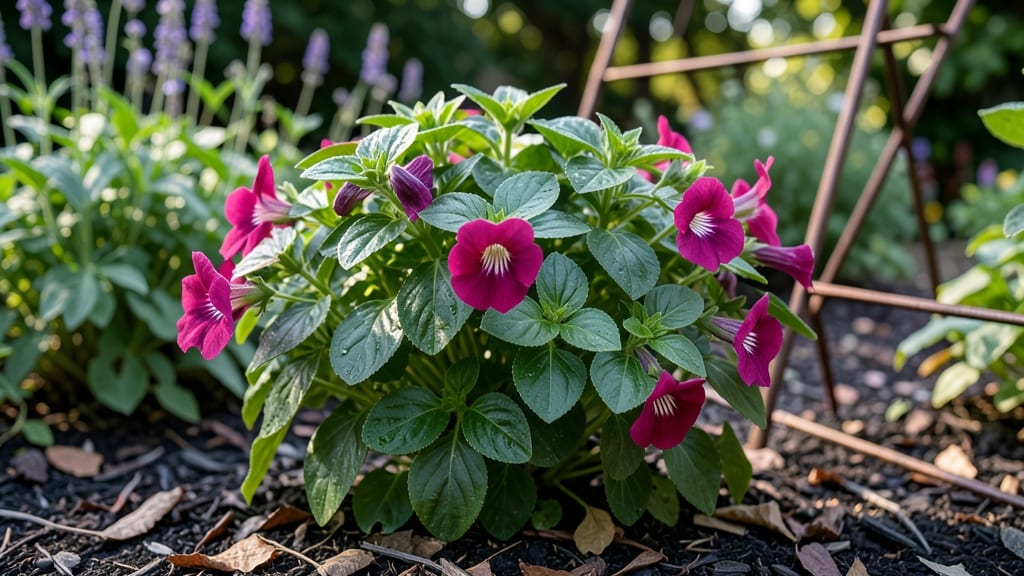
Semi-shade flowers thrive in dappled sunlight or partial shade, requiring 3 to 6 hours of indirect light daily. Choose varieties like impatiens, ferns, or hydrangeas for lush growth and vibrant blooms without harsh sun exposure.
Semi-shade gardening isn't just about avoiding full sun—it's about creating the perfect balance for plants that need gentle light exposure. 🌿 These conditions mimic the natural dappled light found under trees, where filtered rays prevent leaf scorch while still fueling photosynthesis.
I’ve found that the right varieties not only survive but flourish in these settings, offering vibrant colors and robust foliage that full-sun plants can’t always match. The key is matching your climate’s natural light patterns with the right species, whether you're in a humid Southeast or a cooler Pacific Northwest.
For example, impatiens and coleus love the moisture-rich, shaded conditions of semi-shade, while hydrangeas and azaleas thrive with just a few hours of morning sun.
The trick is observing how your garden’s light shifts throughout the day—morning sun is gentler than afternoon rays, and east-facing spots often provide ideal conditions for these delicate beauties. 💫
💡 In This Article
- Understanding Semi-Shade Light Requirements for Flower Health
- Top Semi-Shade Flower Varieties for Different Climates
Understanding semi-shade light requirements for flower health
Semi-shade light creates a delicate balance where photosynthesis still occurs efficiently without the stress of direct sunlight. Plants in these conditions rely on photosystem II operating at reduced intensity, which prevents the harmful buildup of reactive oxygen species that scorch leaves.
The chlorophyll in semi-shade plants often develops a deeper green hue due to increased production of chlorophyll b, which helps capture the longer wavelengths of filtered light. This is why ferns and hostas display their signature rich foliage—it’s a direct response to optimized light absorption under partial canopies.
The magic happens in the 3-6 hour window of indirect light, where morning sun (before 10 AM) provides gentle warmth while afternoon light remains diffused.
For instance, impatiens grown under a 30% shade cloth produce 30% more blooms compared to full-sun exposure, which causes their petals to bleach and drop prematurely.
The light intensity in semi-shade typically measures between 1,000-2,000 foot-candles—about 1/10th of direct midday sun—creating the perfect environment for delicate petals to develop without wilting.
What most gardeners overlook is how light quality changes with shade. Filtered light contains more blue wavelengths (which promote compact growth) and fewer red wavelengths (which trigger elongation). This explains why semi-shade flowers like begonias stay bushier than their sun-loving counterparts.
The trade-off? Without sufficient light, plants may produce fewer blooms, but the quality becomes exceptional—think hydrangeas with larger, more vibrant flowers when given just 3 hours of morning sun.
Temperature plays a hidden role too. Semi-shade areas often stay 5-10°F cooler than open spaces, reducing water loss through transpiration. This is why tropical varieties like calatheas thrive in semi-shade—they conserve moisture while still photosynthesizing efficiently.
The cooler microclimate also extends bloom cycles, as seen with azaleas that flower for 6-8 weeks in partial shade versus 3-4 weeks in full sun.
For practical application, observe your garden’s light patterns: East-facing spots get gentle morning light, while North-facing areas receive consistent indirect exposure. South-facing walls with afternoon shade create ideal conditions for coral bells (Heuchera), which develop their signature metallic foliage under these precise light conditions.
The key is mimicking nature’s dappled canopy—where light dances through leaves to create the perfect growing environment.
Here’s what happens when you get it wrong: Too little light (<2 hours/day) leads to etiolation—stretched, weak stems and sparse blooms. Too much direct light (>6 hours/day) causes photoinhibition, where chlorophyll breaks down, leading to brown leaf edges and faded petals.
The sweet spot? 4-5 hours of filtered light delivers the best of both worlds: robust growth and show-stopping blooms.