
Orchid Care
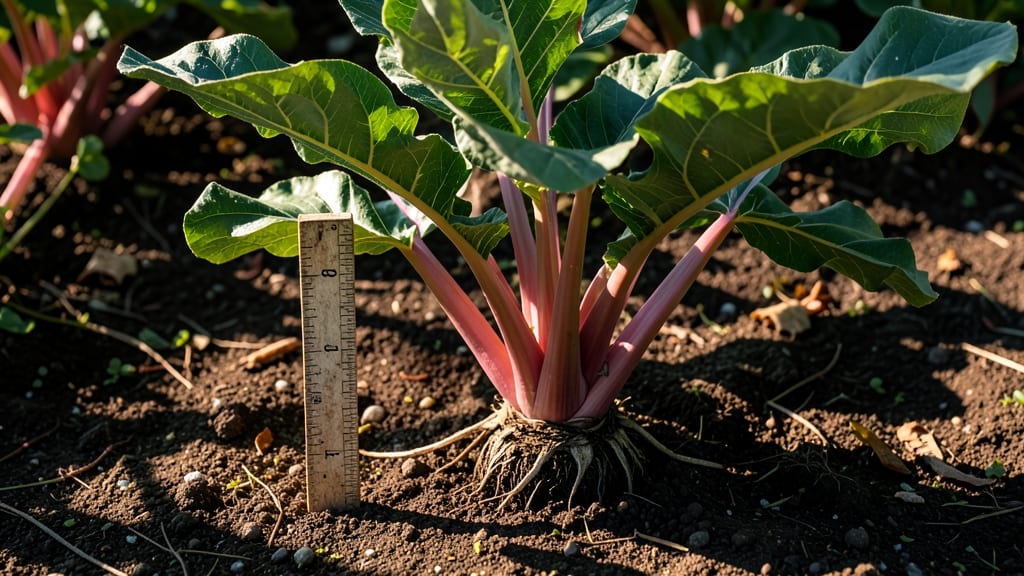
Growing rhubarb in sun or shade depends on striking the right balance — too much heat can scorch the leaves, while too little light weakens the stalks you crave.
Struggling to decide whether your rhubarb patch thrives better in sun or shade can mean the difference between a meager harvest and a bountiful crop—here’s how to get it right.
This hardy perennial 🍃 actually prefers partial shade, especially in hotter climates like USDA Zone 6a, where afternoon sun can stress the plant. But don’t write off full sun entirely—morning sunlight boosts growth when paired with afternoon relief.
Below, I’ll break down the ideal light conditions, how to adjust care based on your garden’s exposure, and the key signs your rhubarb is getting just the right amount.
 Best Window Placement
Optimal sunlight requirements for rhubarb growth and harvesting
Rhubarb thrives in partial shade, but its sunlight needs can be confusing—too much sun can scorch leaves, while too little shade slows stalk development. The key lies in balancing 4-6 hours of morning sun with afternoon shade, especially in hot climates.
This sweet spot maximizes stalk size and sweetness while preventing stress. Let’s break down how sunlight impacts your rhubarb’s growth and yield.
In cooler regions, rhubarb can handle full sun exposure (6+ hours), but the stalks may become tougher and less sweet. Conversely, deep shade (<3 hours of sun) leads to pale, spindly stalks with poor flavor.
The goal is to mimic its natural woodland habitat—bright but filtered light. Understanding these nuances ensures your rhubarb plants grow vibrant and productive.
Here’s how sunlight directly affects your harvest: Full sun (6-8 hours): Faster growth but risk of leaf burn in summer. Partial shade (4-6 hours): Ideal balance—larger, sweeter stalks. Deep shade (<3 hours): Slower growth, smaller yields, and less flavorful stalks.
Adjusting for your climate and microclimate is critical to avoiding these pitfalls.
For hot, dry climates, prioritize afternoon shade using nearby trees, fences, or shade cloth. In cooler regions, rhubarb can tolerate more sun, but monitor leaves for signs of stress like yellowing or browning edges.
If your rhubarb is in full sun all day, consider pruning nearby branches to filter light or relocating plants to a sunnier spot with afternoon relief.
Did you know? Rhubarb’s leaf color is a telltale sign of sunlight balance. Deep green leaves indicate ideal light, while pale green suggests too much shade, and yellow/brown spots mean sunburn. Adjust your setup based on these visual cues to fine-tune your rhubarb’s environment.
When planting new rhubarb crowns, choose a location with morning sun exposure and afternoon shade. This setup mimics the plant’s natural habitat and sets the stage for healthier, higher-yielding plants. If your garden lacks natural shade, use temporary shade structures like umbrellas or lattice screens during peak summer hours.
In container gardening, rhubarb needs even more attention to sunlight. Place pots near east-facing windows or under patio covers that provide filtered light. Containers dry out faster, so combine proper sunlight with consistent watering to avoid stunted growth.
A 5-gallon container is ideal for one crown, with drainage holes to prevent root rot.
Seasonal adjustments are key. In spring and fall, rhubarb can handle more sun as temperatures moderate. During summer’s peak heat, reduce direct sunlight to prevent stress. Mulch with straw or wood chips to retain moisture and regulate soil temperature, further supporting optimal growth.
Remember, rhubarb is a perennial, meaning it will reward you for years with proper care. Investing time in finding the right sunlight balance now pays off with larger stalks, better flavor, and higher yields in future harvests. Start experimenting with your rhubarb’s light conditions today!
How to adjust care based on sun or shade conditions
Once you’ve settled on your rhubarb’s sun or shade spot, the real magic happens in how you care for it. Sun-exposed rhubarb needs more frequent watering and extra protection from heat stress, while shaded varieties benefit from lighter mulching and less aggressive fertilizing.
The key is adapting your routine to match the intensity of light your patch receives.
Start with soil moisture checks—stick your finger 2 inches into the soil. In full sun, it should feel damp but not soggy. In shade, let the topsoil dry slightly between waterings. Morning watering is non-negotiable in sunny spots to prevent fungal issues from evening dampness.
Here’s where mulch becomes your best friend. For sunny rhubarb, use a 3-inch layer of straw or wood chips to retain moisture and cool roots.
In shade, reduce mulch to 1-2 inches—too much can smother the plant and attract slugs. Organic mulches like shredded leaves also slowly enrich the soil as they break down.
🌱 Key Takeaway: Adjusting Rhubarb Care by Light Conditions
💡 Pro Tip: Test soil moisture weekly—adjust watering based on weather, not just light exposure.
Seasonal shifts demand extra attention. In summer’s peak heat, even partial shade rhubarb may need afternoon shade cloth (30-50% shade). I’ve seen rhubarb in Zone 6a bolt to flower when stressed—prune flower stalks immediately to redirect energy to stalk production.
Fertilizing follows the same logic: feed sun-exposed rhubarb with a balanced 10-10-10 in early spring and after harvest, but cut back in shade. Too much nitrogen in low-light spots leads to lush leaves and tiny, woody stalks. Instead, side-dress with compost in spring for gradual nutrient release.
Don’t overlook seasonal soil prep. In fall, amend sun-exposed beds with compost to rebuild organic matter lost to heat. For shaded rhubarb, focus on improving drainage—compacted soil in low-light areas suffocates roots. A fork or broadfork in early spring aerates without disturbing the crown.
Your rhubarb’s care routine should feel like a dance between light and your garden’s microclimate. Observe leaf color—deep green means happy; yellow or crispy edges signal trouble. With these adjustments, you’ll transform your rhubarb from struggling to showstopping in just one season. 🌿