
Companion Plants
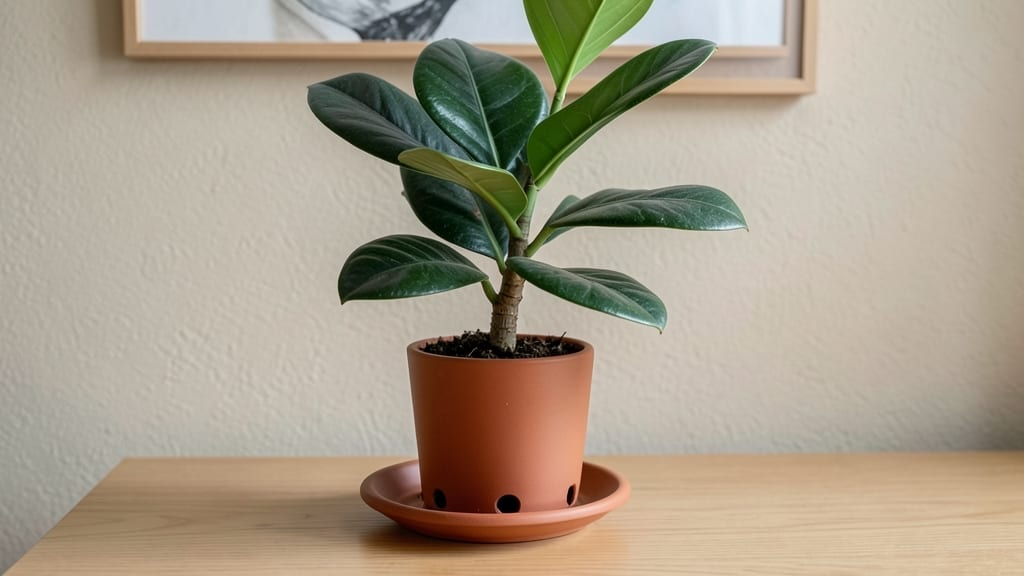
Shade-loving plants in pots transform dim corners into lush, vibrant spaces—no direct sun required. 🌿 I’ve filled my covered porch with thriving foliage that would wilt in full light, and the secret isn’t complicated: the right plants, the right pots, and a little patience.
These containers stay green year-round with minimal fuss, making them perfect for balconies, patios, or even indoor spots near north-facing windows.
The key is choosing shade-tolerant varieties like hostas, ferns, or impatiens, which handle low light beautifully. Pair them with terracotta or fiber pots (for drainage) and moisture-retentive soil mixes—no fancy setups needed.
A 12- to 18-inch pot works for most, and grouping pots in odd numbers creates natural, inviting displays. Over time, you’ll notice fewer wilting leaves and more lush, healthy growth, even in the shadiest spots.
By summer’s end, your pots will be bursting with deep green hues, delicate fronds, and occasional blooms, all while requiring less water than sun-loving plants. The best part?
These containers add texture and color without demanding constant attention. Whether you’re dressing up a porch or brightening a dark hallway, shade-friendly pots deliver effortless elegance.
Pro tip: Rotate pots occasionally to ensure even growth, and swap out soil every 2-3 years to prevent compaction. The results? A shaded space that feels alive, not abandoned. Ready to bring some life to your dim corners?
📚 In This Guide
- What you need
- Instructions
- Tips and common mistakes
- Wrapping up and next steps
What you need
- ● Containers: 1-3 drainage-friendly pots (terracotta, ceramic, or plastic with drainage holes). Size depends on plant type—small (6-8" for herbs/small foliage) to medium (10-12" for mid-sized plants).
- ● Potting Mix: 1 bag well-draining, peat-free soil mix (look for labels like "moisture-retentive" or "shade-tolerant"). Avoid garden soil—it compacts and suffocates roots!
- ● Shade-Tolerant Plants: 1-3 plants from this list: Pothos (Epipremnum aureum) – Hardy and trailing!
- ● Snake Plant (Sansevieria) – Nearly indestructible.
- ● Cast Iron Plant (Aspidistra elatior) – Thrives in neglect.
- ● ZZ Plant (Zamioculcas zamiifolia) – Drought-resistant.
- ● Calathea (Calathea spp.) – For bold, patterned foliage (needs slightly higher humidity).
- ● Drainage: Small pebbles or perlite (½ cup per pot) to improve aeration.
- ● Trowel or small shovel for repotting.
- ● Spray bottle for misting (especially for Calathea).
- ● Gloves to keep hands clean (some plants have sap!).
- ○ Plant labels (optional but helpful for tracking varieties!).
- ● Fertilizer: Balanced liquid fertilizer (diluted to half-strength, used every 4-6 weeks).
- ● A spot with indirect light (e.g., north-facing window, under a tree, or a shaded patio).
- ● Access to water (a self-watering pot can help if you travel often!).
- ● Patience! Shade plants grow slower but reward you with lush, drama-free foliage.
How to select and care for thriving shade-loving potted plants
Here’s how to transform dim corners into lush, low-maintenance green spaces—no gardening degree required.
🪴 Step 1: Choose the Right Pots for Moisture Balance
Select pots with drainage holes—shade plants like consistent moisture but despise soggy roots. I opt for unglazed ceramic (breathable) or fabric grow bags (prevents root circling) for my shade-loving collection. Size matters too: 6- to 8-inch pots work for small foliage plants like ferns and calatheas, while larger varieties (e.g., hostas) need 12-14 inches to prevent root bind.
Line the bottom with 1-2 inches of gravel or broken pottery to improve drainage further. This extra layer acts as a buffer, ensuring water flows out instead of pooling. If your space lacks drainage, consider self-watering pots—they’re a lifesaver for forgetful plant parents like me.
🌿 Step 2: Pick Plants That Match Your Light Conditions
Not all shade is equal. Deep shade (under 2 hours of indirect light) thrives with plants like snake plants, ZZ plants, or pothos, while partial shade (3-6 hours of dappled light) supports calatheas, ferns, and hostas. I always check the light requirements on the plant tag—overpromising light leads to leggy, sad foliage.
For 4 plants, I recommend starting with:
- 1 calathea (for bold patterns)
- 1 fern (for texture)
- 1 snake plant (for resilience)
- 1 pothos (for trailing elegance)
Each has distinct care needs but shares a tolerance for lower light.
💧 Step 3: Master the Watering Routine for Shade Plants
Shade plants dry out slower than sun-lovers, so I water when the top 1-2 inches of soil feel dry—about every 7-10 days in winter, every 5-7 days in summer. Stick your finger in the soil: if it’s damp past your first knuckle, wait another day. Overwatering in shade pots is the #1 killer—root rot sets in silently.
Use room-temperature water to avoid shocking roots, and always water at the base, not the leaves. A spray bottle works for delicate foliage like calatheas, while a watering can with a narrow spout ensures even moisture for ferns. Mulch the soil surface with orchid bark to retain humidity and suppress weeds.
☀️ Step 4: Boost Humidity and Light Strategically
Shade plants often need higher humidity than their sun-loving cousins. I group my pots together and place a humidifier nearby or mist them daily in dry climates. A pebble tray (fill a saucer with water and pebbles, then set the pot on top) adds moisture without drowning roots—just ensure the pot isn’t sitting in standing water.
If your space feels too dim, supplement with a grow light (LED bulbs work best) for 12-14 hours daily. Position it 6-12 inches above the plants and adjust as they grow. You’ll notice leaves darkening or stretching toward the light—that’s your cue to move it closer.
✂️ Step 5: Prune and Fertilize for Long-Term Health
Deadhead spent leaves monthly to encourage new growth, and trim leggy stems back by 1/3 to promote bushiness. Use clean, sharp scissors to avoid tearing foliage. For 4 plants, I fertilize every 6-8 weeks in spring/summer with a balanced liquid fertilizer (10-10-10) diluted to half strength. Over-fertilizing burns roots—always follow the label.
In fall, reduce watering and stop fertilizing until spring. Shade plants enter a natural slowdown, and forcing growth leads to weak stems. A light dusting of compost on the soil surface in early spring gives them a nutrient boost without overwhelming their system.
Tips & tricks for perfect shade-loving potted plants
Here's what nobody tells you about keeping your shade plants thriving without the guesswork.
Pot Selection Wisdom: When choosing between unglazed ceramic and fabric grow bags in Step 1, consider your watering habits. Unglazed ceramic wicks moisture slowly, ideal for forgetful waterers, while fabric grow bags encourage faster drainage—perfect for those who prefer to water deeply less often. For 6- to 8-inch pots, I always add an extra drainage hole if the manufacturer's design seems questionable. This simple modification prevents that silent, deadly pooling at the bottom.
Light Condition Reality Check: The 2 hours of indirect light for deep shade plants might sound like a lot, but remember this refers to direct sunlight—your kitchen window with sheer curtains could still provide this. For partial shade plants like calatheas, those 3-6 hours of dappled light are often found under large trees or on north-facing patios. I've learned to rotate my pots every few weeks to ensure even growth—you'll notice leaves leaning toward the light source if they're not getting balanced exposure.
Watering Technique Upgrade: That top 1-2 inches of soil check in Step 3 is your best friend, but here's the secret: use a moisture meter for accuracy, especially if you're using well-draining fabric pots. I've ruined plants by overwatering because my finger test felt "dry" when the roots were actually waterlogged. For 4 plants, I group them on a saucer with pebbles and water—this creates a microclimate where the water spreads evenly to all pots simultaneously, saving me time and preventing uneven moisture levels.
Grow Light Placement: When supplementing with 12-14 hours daily of grow light in Step 4, position the light so it's 6-12 inches above the tallest plant. I use a small clip-on LED light for my desk plants and adjust it weekly as they grow. Watch for leaves stretching toward the light—this is your plant's way of saying "I need more!" But beware: too much light can scorch delicate foliage like calatheas, so start with the minimum recommended time and gradually increase.
Pro Tips for Plants Pots Shade
- Here's what nobody tells you about keeping your shade plants thriving without the guesswork.
- Pot Selection Wisdom: When choosing between unglazed ceramic and fabric grow bags in Step 1, consider your watering habits.
- Light Condition Reality Check: The 2 hours of indirect light for deep shade plants might sound like a lot, but remember this refers to direct sunlight—your kitchen window with sheer curtains could still provide this.
Frequently asked questions
Got questions about keeping plants happy in shady pots?
You’re not alone! Here are answers to the most common concerns—so you can confidently grow lush, low-light foliage without the guesswork.
What are the best low-maintenance plants for shady pots?
Opt for hostas, heucheras, calatheas, or ferns—they tolerate dim light and thrive in containers. Avoid sun-lovers like succulents or geraniums. Pro tip: Check the plant’s mature size to pick pots with drainage and room to grow!
How often should I water plants in shady pots?
Shade slows evaporation, so water every 7–10 days (or when the top inch of soil feels dry). Use your finger to test moisture—overwatering is worse than underwatering! Terracotta pots dry faster than plastic; adjust accordingly.
Can I use regular potting soil for shade plants?
Yes, but amend it with peat moss or compost (20–30%) for better moisture retention. Shade plants prefer slightly acidic soil (pH 5.5–6.5). Skip heavy garden soil—it compacts and drains poorly in pots.
Why are my shade plants turning yellow or leggy?
Yellow leaves often mean overwatering or nutrient deficiency (try a balanced liquid fertilizer every 4–6 weeks). Leggy growth? Your plant craves more light—move it closer to a bright (but indirect) window or supplement with a grow light.
What’s the easiest way to keep pests away from potted shade plants?
Prevent pests with neem oil spray (monthly) or introduce pest-repelling companions like moss roses or African violets. Check undersides of leaves weekly—early action stops infestations fast!
Can I reuse old pots for shade plants?
Clean pots thoroughly with soapy water and disinfect with a 10% bleach solution (rinse well). Add fresh drainage holes if missing—stagnant water = root rot. Pro tip: Glazed pots hold moisture longer; terracotta dries quicker.
Wrapping up and next steps
Transforming your shady spots into lush, vibrant spaces is easier than you think! With the right plants in pots for shade, you can bring life to dim corners while keeping maintenance simple.
Whether you're a seasoned gardener or just starting out, these low-light lovers will reward you with beauty and resilience.
Ready to get growing? Start small—pick one or two plants from our list, grab your supplies, and let your green thumb shine! 🌿 Before you know it, your shady sanctuary will be the coziest, most inviting corner of your home. Happy planting!