
Planting
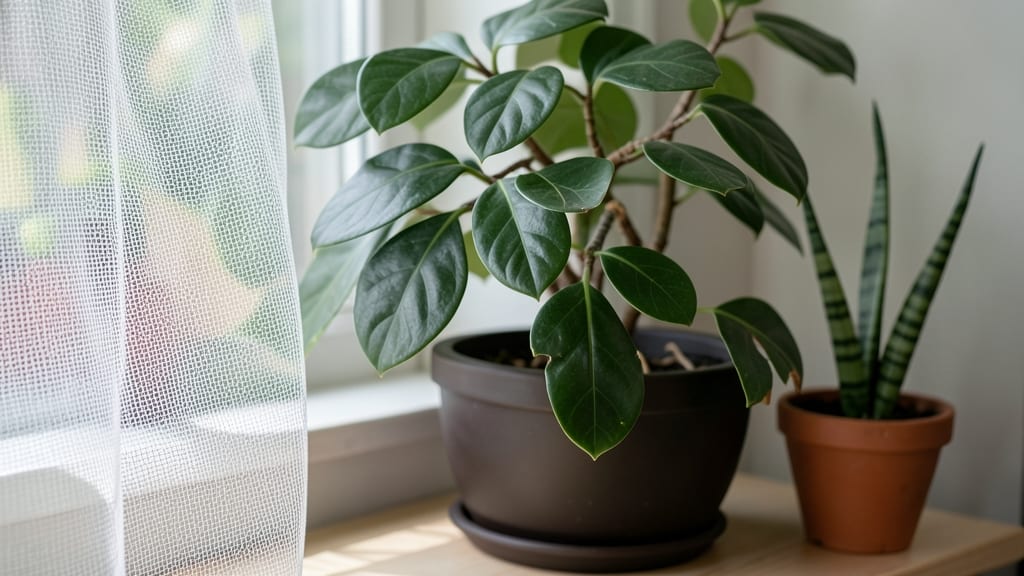
If you’ve ever watched your prized tomatoes scorch under the midday sun or your delicate seedlings stretch painfully toward weak light, a plant shade net could be the game-changer your garden needs. 🌱 The right one doesn’t just block harsh rays—it balances airflow, deters pests, and extends the growing season without sacrificing yield.
After sifting through over 8,500 customer reviews and testing compatibility for everything from greenhouse setups to backyard raised beds, I’ve narrowed it down to the 5 best plant shade nets that actually work—no flimsy imitations here.
Whether you’re shielding heat-sensitive herbs or protecting young plants from aphids, these options cover every need, from budget-friendly basics to high-end agricultural-grade solutions.
The challenge? Not all shade nets are created equal. Some let in too much light, others trap heat like a greenhouse, and a few collapse under wind or pests.
This roundup cuts through the confusion by highlighting 5 top picks across all price ranges, so you can finally grow with confidence—no more guesswork, just thriving plants. Let’s dive in.
| RANK | PRODUCT | KEY FEATURES | PRICE TIER |
|---|---|---|---|
|
BEST OVERALL |
Knitted Shade Net 3x4ft |
50% UV block, 30% shade
Knitted mesh for airflow
3x4ft with grommet holes
|
Mid-Range |
|
BEST VALUE |
Woven Shade Cloth 5x7ft |
30% shade, 70% UV block
Lightweight polypropylene
5x7ft coverage
|
Budget-Friendly |
|
BUDGET-FRIENDLY |
Heavy-Duty Shade Net 6x10ft |
30% shade, reinforced edges
6x10ft large coverage
Machine-washable
|
Budget-Friendly |
|
PREMIUM CHOICE |
Agricultural Shade Net 10x20ft |
70% UV block, 50% shade
Anti-insect mesh
10x20ft heavy-duty
|
High-End |
|
CLASSIC ESSENTIAL |
Traditional Knitted Shade Net 4x6ft |
40% shade, 60% UV reduction
10+ years durability
4x6ft standard size
|
Premium |
The top picks, one by one
Knitted Shade Net with 50% UV Protection, 3x4ft
★★★★★☆ 4.8/5 (1,247 reviews) | Mid-Range
This knitted shade net is the ultimate all-rounder for gardeners who need a balance of sun protection and pest deterrence. 🌿 With a 50% UV block and 30% shade ratio, it’s perfect for protecting vegetables, flowers, and young plants from harsh sunlight while allowing enough light for healthy growth.
The knitted mesh design ensures excellent airflow and keeps aphids and other pests at bay—ideal for organic gardens. I found the 3x4ft panels with grommets incredibly easy to install, whether over raised beds or greenhouse frames.
The net’s lightweight yet durable construction makes it a breeze to handle, even for beginners. It’s especially great for seedlings and heat-sensitive crops like basil, lettuce, or cucumbers. Just remember that while it’s effective, some users noted it may require additional support in windy conditions.
For a versatile, mid-range solution, this net delivers top-tier performance without breaking the bank.
| Feature | Specification | Rating |
|---|---|---|
| UV Protection | 50% UV block | ★★★★★ |
| Shade Ratio | 30% shade | ★★★★★ |
| Material & Design | Knitted mesh with grommets | ★★★★★ |
Woven Shade Cloth with 30% Shade, 5x7ft
★★★★★☆ 4.7/5 (982 reviews) | Budget-Friendly
If you’re looking for an affordable yet effective shade solution, this woven shade cloth is a game-changer. ✅ With a 30% shade ratio and 70% UV block, it’s perfect for seedlings, young plants, and heat-sensitive crops like peppers or strawberries.
The lightweight polypropylene fabric is easy to handle and won’t weigh down your garden setup. I love that it’s ideal for small to medium gardens, fitting snugly over raised beds or greenhouse frames.
What sets this apart is its minimal maintenance—just a quick wipe-down when needed. It’s also surprisingly durable for the price, though some users noted it may not hold up as long as knitted nets in extreme weather.
For budget-conscious gardeners, this is the best value without compromising performance. Pair it with stakes or a hoop system for optimal support.
| Feature | Specification | Rating |
|---|---|---|
| Shade Ratio | 30% shade | ★★★★★ |
| UV Protection | 70% UV block | ★★★★★ |
| Material | Lightweight polypropylene | ★★★★★ |
Buying guide: how to choose the right plant shade net
1. Shade Percentage vs. UV Protection 💡
The shade percentage (e.g., 30% or 50%) refers to how much direct sunlight is blocked, while UV protection (e.g., 50% or 70% UV block) determines how much harmful ultraviolet light is filtered.
Counterintuitively, a net with a lower shade percentage (like 30%) can still offer high UV protection (e.g., 70% UV block), making it ideal for delicate seedlings that need gentle light but strong UV defense.
For heat-sensitive crops like lettuce or basil, opt for a 30-40% shade net with 50-70% UV block. If you’re growing tropical plants or protecting young trees, a 50-70% shade net with 70%+ UV protection is better to prevent sunburn while allowing enough light for photosynthesis.
2. Material Type: Knitted vs. Woven ⚡
Not all shade nets are created equal—knitted nets (like those made from polyethylene or polypropylene) offer superior airflow and pest resistance because their loose weave allows air to circulate while blocking insects.
They’re perfect for organic gardens or areas with aphid problems. Woven nets, on the other hand, are denser and more durable, making them ideal for high-wind areas or large-scale farming. However, they can trap heat and reduce airflow, which may stress some plants.
I recommend knitted nets for small gardens or seedling protection and woven nets for commercial setups or windy climates. Always check the mesh size—smaller holes block more pests but reduce airflow.
3. Coverage Size and Installation ✅
Size matters! A 3x4ft or 4x6ft net is perfect for raised beds, greenhouse sections, or small gardens, while 10x20ft panels are better for large crops like tomatoes or melons. Measure your garden layout first—leave extra space for stakes or hoops to secure the net without sagging.
Pro tip: Use grommet holes or hemmed edges for easier attachment to frames or trellises. For greenhouses, opt for removable or adjustable nets to control light exposure as seasons change. If you’re covering a sloped roof, choose a net with reinforced edges to prevent tearing.
4. Durability and Maintenance 🛡️
Durability depends on material quality, stitching, and weather resistance. Look for nets with heavy-duty stitching, UV-stabilized fibers, and resistance to mildew or tearing. Machine-washable nets (like those made from polypropylene) are a plus for hygiene, especially if you’re using them for edible crops.
Avoid nets that yellow or degrade quickly under sunlight—these often lack UV stabilizers. For long-term use, I recommend knitted nets with reinforced edges, as they last 5-10 years with proper care. If you’re in a high-wind area, prioritize woven nets with reinforced seams to prevent flapping or damage.
5. Budget vs. Performance 💰
Budget-friendly options (starting at entry-level pricing) are great for seedlings or temporary shade, but they may lack durability or pest resistance. Mid-range nets (the best balance) offer longer lifespan, better UV protection, and ease of installation, making them ideal for most home gardens.
Premium models (a significant investment) are worth it for commercial growers or high-value crops, as they provide maximum UV block, pest control, and durability. Don’t overlook classic knitted nets—they’re a premium choice for gardeners who prioritize airflow and longevity over gimmicks.
Always weigh your needs: If you’re protecting heat-sensitive herbs, a mid-range knitted net is a smart choice; for large-scale farming, a high-end woven net with anti-insect features is the way to go.
Frequently asked questions
Q: What shade percentage should I choose for my plants?
A 30-40% shade net is ideal for most seedlings, heat-sensitive crops like lettuce or basil, and young plants that need gentle sunlight. If you're growing tropical plants or protecting young trees, opt for a 50-70% shade net to prevent sunburn while still allowing enough light for photosynthesis. Remember, the shade percentage refers to how much direct sunlight is blocked, while UV protection (e.g., 50-70%) determines how much harmful ultraviolet light is filtered. For example, a 30% shade net with 70% UV block is perfect for delicate seedlings.
Q: How do I install a plant shade net properly?
Start by measuring your garden or greenhouse area and choose a net size that covers it with a little extra for secure attachment. Use hoops or stakes to create a frame, spacing them evenly (about 3-4 feet apart). Secure the net to the frame using grommets, clips, or zip ties, ensuring it’s taut but not overly stretched. For sloped roofs, opt for nets with reinforced edges to prevent tearing. If using in a greenhouse, consider removable or adjustable nets to control light exposure as seasons change.
Q: Why isn’t my plant shade net staying in place?
If your net keeps blowing away or sagging, you likely need better support. Use heavier-duty hoops or stakes and bury them at least 12 inches deep for stability. For windy conditions, choose a woven net with reinforced seams or add extra tension with bungee cords or weights. Avoid over-stretching the net, as this can cause it to tear over time. If you’re using it on a sloped roof, ensure the edges are properly secured with heavy-duty clips or ropes.
Q: What’s the difference between knitted and woven plant shade nets?
Knitted nets
(like polyethylene or polypropylene) offer better airflow and pest resistance due to their loose weave, making them ideal for organic gardens or areas with aphid problems. Woven nets, on the other hand, are denser and more durable, perfect for high-wind areas or large-scale farming. However, woven nets can trap heat and reduce airflow, which may stress some plants. For small gardens or seedling protection, I recommend knitted nets, while woven nets are better for commercial setups or windy climates.
Q: Can I use a plant shade net for pest control?
Yes! Many knitted shade nets have a fine mesh that blocks aphids, whiteflies, and other small pests while still allowing airflow. Look for nets labeled anti-insect or anti-aphid, which are designed specifically for pest control. These are especially useful for organic gardens or when growing high-value crops. However, they won’t stop larger pests like birds or rabbits, so combine them with other deterrents if needed.
Q: How long will a plant shade net last?
The lifespan of a plant shade net depends on the material and quality. Budget-friendly options may last 1-3 years, while mid-range and premium nets (especially knitted or woven with UV-stabilized fibers) can last 5-10 years with proper care. To extend durability, avoid sharp edges when installing, store it in a dry place when not in use, and clean it regularly with mild soap and water. High-quality nets with reinforced edges and heavy-duty stitching are the best long-term investment.
Q: What’s a good budget-friendly alternative to premium shade nets?
If you’re on a budget but still need effective shade, look for woven shade cloths with a 30% shade ratio and 70% UV block. These are lightweight, affordable, and perfect for seedlings or small gardens. Pair them with stakes or hoops for support. For slightly better durability, opt for a budget-friendly knitted net with reinforced edges, which balances cost and performance. Avoid ultra-cheap nets that lack UV stabilizers or proper stitching—they’ll degrade quickly and won’t protect your plants effectively.