
Shrubs
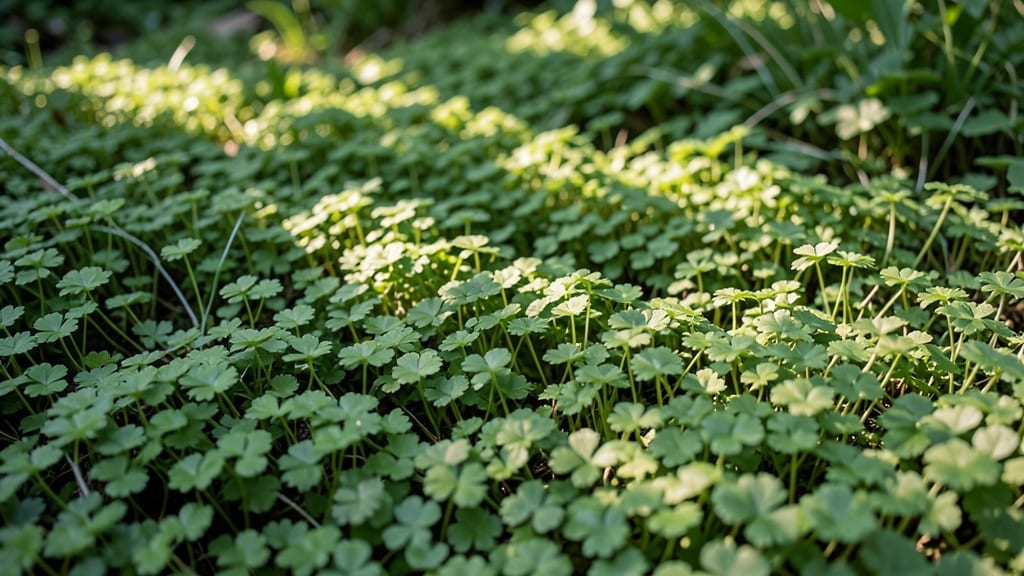
Semi-shade gardens can still burst with color and texture when you choose the right perennials. These 10 shade-tolerant plants thrive with 3-6 hours of sunlight, offering year-round interest with minimal maintenance.
Hostas for Bold Foliage Varieties
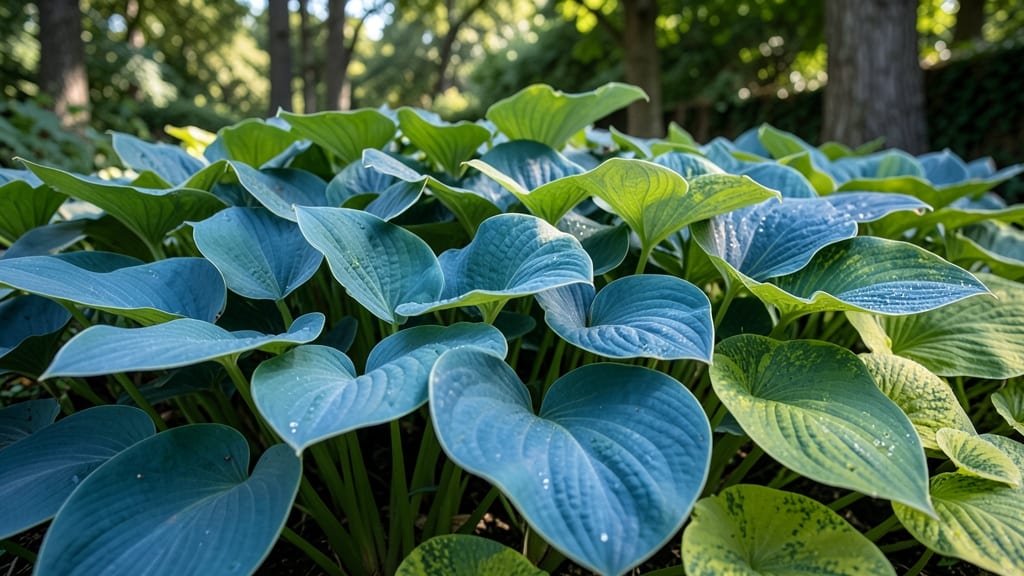
If you love dramatic foliage but struggle with shady spots, hostas are your secret weapon. With over 50 cultivars, you can mix bold textures—from giant blue-green leaves to tiny chartreuse speckled varieties—all thriving in 3-6 hours of sun. Their versatility makes them perfect for foundation planting or woodland gardens.
Start with foundation plants like 'Blue Angel' (3 feet tall) for structure, then layer smaller varieties like 'Halcyon' (8 inches) for contrast. Most hostas prefer moist, well-draining soil and benefit from mulch to retain humidity. For extra drama, pair them with ferns or astilbe to create a lush, layered look.
These shade superstars reward patience—some varieties take years to reach full size, but their year-round foliage and occasional summer blooms make them a low-maintenance star. 🌿
Astilbe with Feathered Flower Plumes
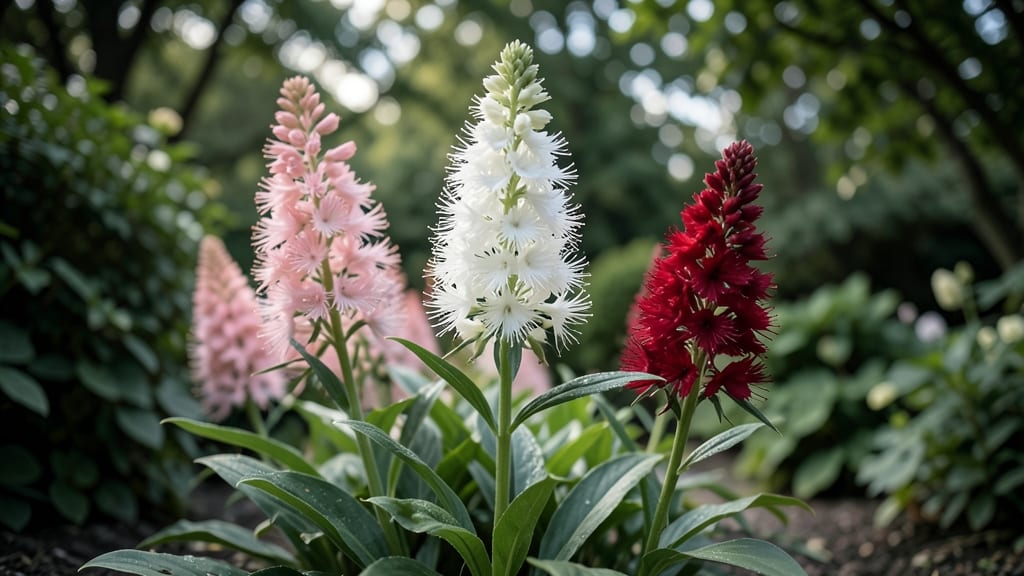
Transform your shady borders into a dreamy, romantic retreat with astilbe—the plant that brings soft, feathered plumes in blush pink, white, or deep red to your garden. Unlike dense foliage plants, astilbe adds vertical drama with its airy, cloud-like blooms that dance in the breeze, perfect for filling gaps between taller shrubs or framing garden paths.
These shade-loving stars thrive in moist, well-draining soil and prefer 3-6 hours of dappled sunlight, making them ideal for woodland gardens or north-facing beds. Choose varieties like 'Fanal' for bold magenta plumes or 'Bridal Veil' for pure white elegance. Deadhead spent blooms to encourage a second flush, and mulch annually to retain moisture—astilbe hates drying out. 🌷
Urban gardeners and small-space enthusiasts will love how astilbe fits into containers or mixed borders, while pollinators adore their nectar-rich flowers. Plant in groups of 3-5 for maximum impact, and pair with hostas or ferns for a lush, layered look. 💚
Hellebores for Early Spring Blooms
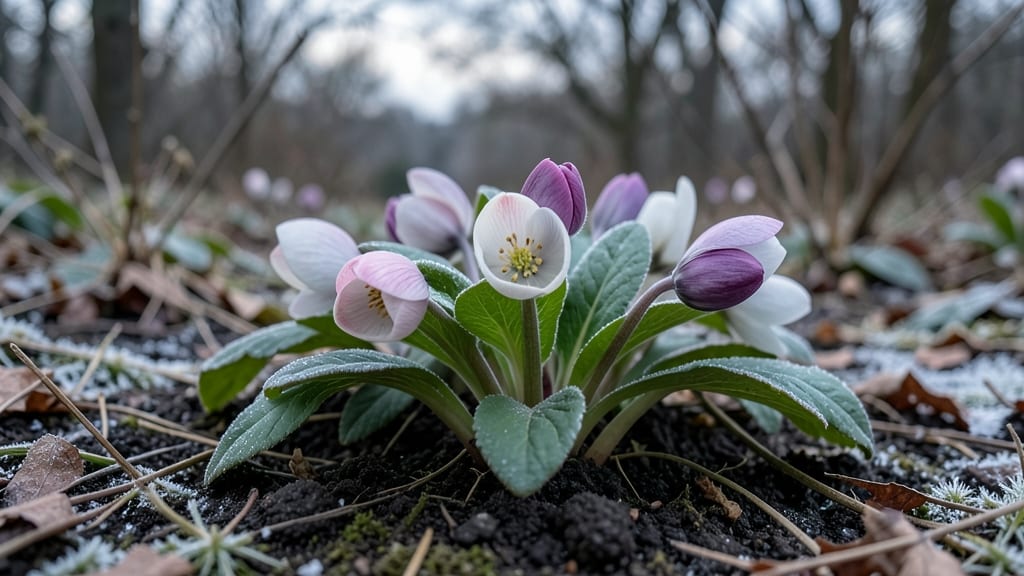
When winter still clings to the garden, hellebores burst through the soil with their delicate, nodding blooms—often the first flowers of spring. These winter-hardy perennials thrive in semi-shade, offering white, pink, or deep purple flowers that provide vital nectar for early pollinators like bees and butterflies when little else is blooming.
Plant hellebores in well-draining, humus-rich soil and protect them from harsh afternoon sun, which can scorch their leaves. Varieties like 'Helen's Pink' or 'Black Beauty' add striking contrast to shady borders, while their evergreen foliage remains attractive year-round. Deadhead spent blooms to encourage more flowers, but leave seed pods for wildlife if you prefer a natural look.
Perfect for woodland gardens, containers, or under trees, hellebores reward patience with decades of blooms and minimal care—ideal for gardeners who want early color without the fuss. 🌱
Ferns for Textured Green Backdrops
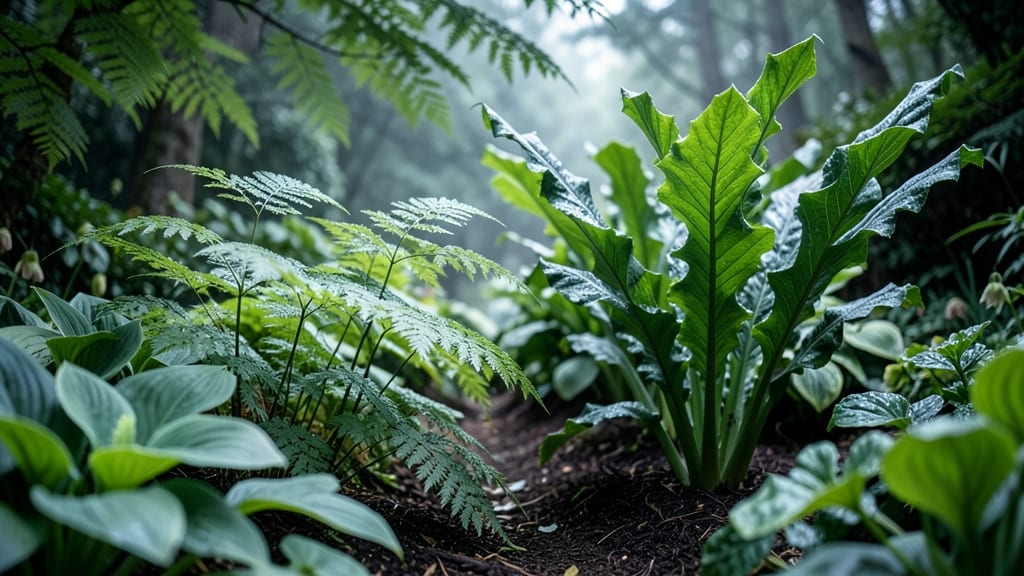
Skip the fuss of high-maintenance foliage—ferns like maidenhair and ostrich ferns deliver lush, layered backdrops with almost no effort. Their delicate, feathery fronds create a textured green tapestry that softens borders and frames other shade-loving plants like hostas or hellebores, all while staying evergreen year-round.
These ferns thrive in dappled shade to partial sun (3-6 hours) and prefer moist, well-draining soil—ideal for woodland gardens or under trees. Opt for maidenhair fern for fine, lace-like fronds (perfect for containers) or ostrich fern for bold, upright fronds (great for borders). Mulch annually to retain moisture, and avoid overwatering, as soggy soil can cause root rot.
Perfect for beginners or busy gardeners, ferns require zero pruning and rarely face pests. Plant them in clusters behind taller perennials to create depth instantly—your shady spots will feel like a thriving forest oasis. 🌿
Lungwort with Unique Spotted Leaves
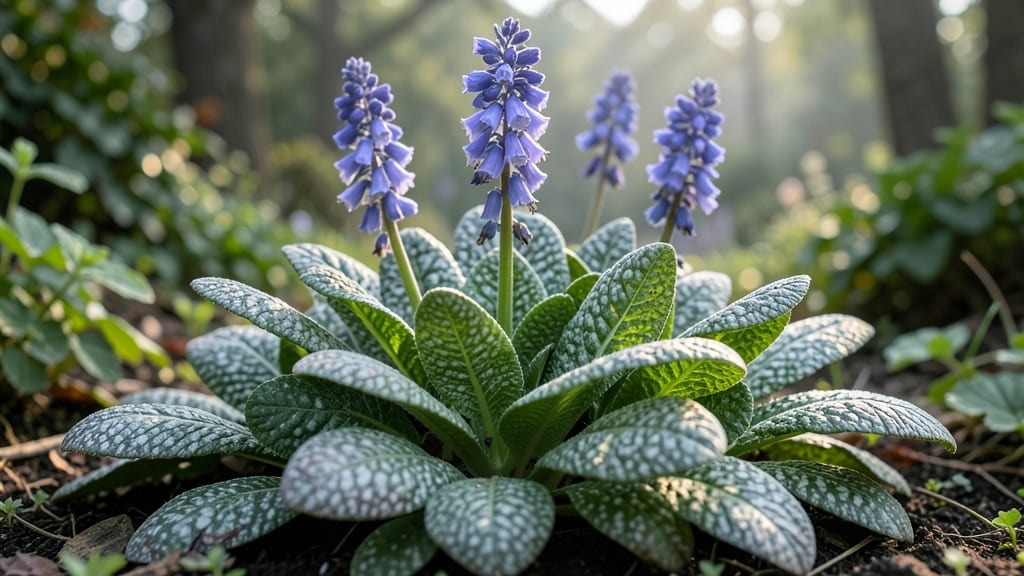
Discover lungwort (Pulmonaria), a historic medicinal plant with silver-spotted leaves that transform into deep green as spring progresses—plus blue-purple flowers that become a bee magnet in early spring. This underused perennial bridges history and modern gardens, offering both beauty and ecological value in semi-shade.
Plant lungwort in moist, well-draining soil under trees or along shady borders where its silver foliage contrasts beautifully with evergreens. Varieties like Pulmonaria officinalis or Pulmonaria rubra thrive in 3-6 hours of dappled sunlight, making them perfect for woodland gardens. The flowers emerge before the leaves fully green, providing early pollinator support when few other blooms are available.
Herbalists have used lungwort for centuries to treat respiratory ailments, but today's gardeners love it for its low-maintenance charm and cottage-garden appeal. Pair it with hellebores or ferns for a textured, long-blooming shade combination that keeps your garden vibrant year-round. 🌿
Bleeding Heart for Graceful Arches
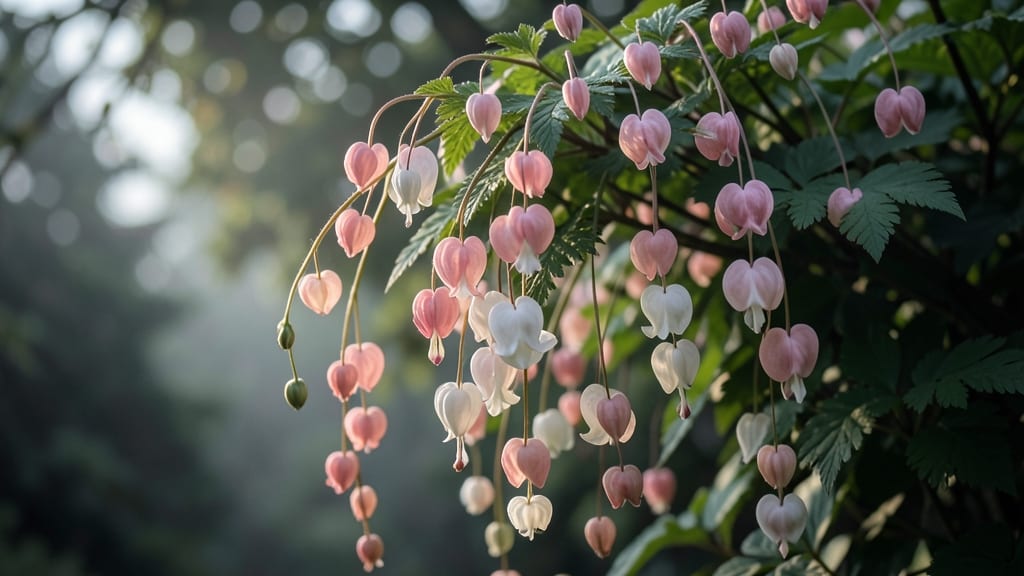
Craving a romantic, fairy-tale vibe in your shady garden? Bleeding heart (Dicentra spectabilis) delivers cascading clusters of heart-shaped flowers in blush pink or pure white, creating a dreamy vertical display that feels like a living waterfall. Unlike flat-topped blooms, its arching stems (up to 3 feet tall) add dramatic movement to woodland gardens, patios, or under trees where other plants struggle.
This spring-to-early summer star thrives in dappled shade to partial sun (3-6 hours) and prefers moist, well-draining soil rich in organic matter. Plant it in groups of 3-5 for maximum impact, tucking it behind ferns or hostas to let its flowers spill gracefully over edges. After blooming, cut back the foliage by half in late summer to keep the plant tidy—it’ll regrow lushly for next year’s show. Deer tend to avoid it, making it a low-stress choice for rural gardens.
Perfect for gardeners who love whimsical charm, bleeding heart pairs beautifully with hellebores (for early color) and astilbe (for summer texture). Its short-lived but stunning blooms make it a must for seasonal interest—just don’t expect it to last beyond early summer. 🌷
Japanese Painted Fern for Colorful Foliage
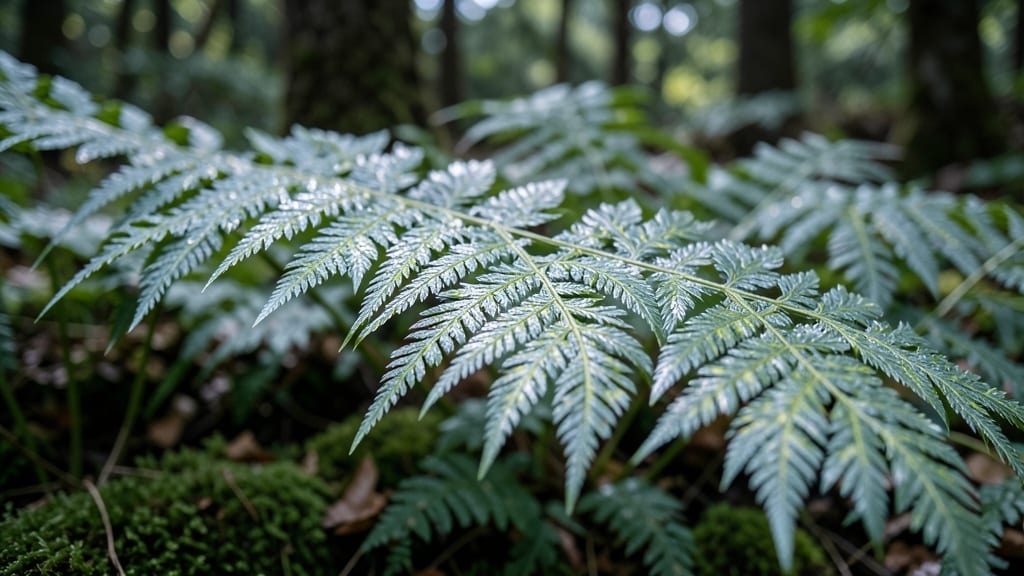
If you crave bold color without direct sunlight, the Japanese painted fern (Athyrium niponicum var. pictum) delivers with its silvery-blue and chartreuse fronds that shimmer like moonlight in shady spots. Unlike plain green ferns, its variegated foliage creates instant visual contrast, making it a standout in borders, containers, or mixed plantings where other perennials might fade.
This clump-forming fern thrives in 3-6 hours of dappled shade and tolerates a range of soil types, though it prefers moist, well-draining conditions. For maximum impact, plant it in groups of 3-5 near hostas or hellebores—its arching fronds (18-24 inches tall) add movement and texture. Unlike flowering perennials, it offers year-round interest, with fronds turning bronze in winter before dying back. Bonus: It’s deer-resistant and rarely bothered by pests.
Perfect for urban gardeners with small spaces or cottage-style borders, this fern brings high-impact color with zero fuss. Pair it with coral bells or lungwort for a low-maintenance shade combo that keeps your garden vibrant all season. 💚
Coral Bells for Season-Long Interest
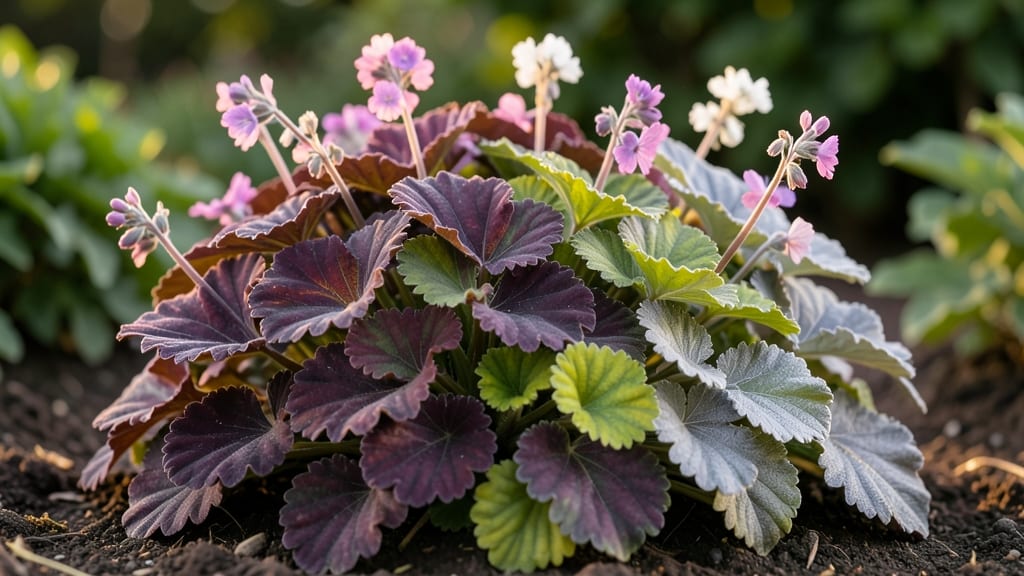
Tired of shady spots that feel like afterthoughts? Coral bells (Heuchera) turn dull corners into vibrant focal points with their striking foliage in deep purple, chartreuse, or silver—plus cheerful summer blooms in pink, purple, or white. Unlike foliage-only plants, they deliver season-long interest, from spring's new growth through fall's fiery hues.
These adaptable perennials thrive in 3-6 hours of dappled sunlight and handle both dry shade and moist partial shade, making them ideal for containers, rock gardens, or woodland edges. Varieties like 'Palace Purple' (dark leaves) or 'Lime Rickey' (bright green) add instant color, while 'Berry Smoothie' combines multiple leaf colors in one plant. Deadhead spent blooms to encourage more flowers, and divide clumps every 3-4 years to maintain vigor.
Perfect for urban gardeners with limited space or beginners craving low-maintenance drama, coral bells pair beautifully with ferns or hostas. Their pollinator-friendly blooms and drought tolerance make them a standout for modern shade gardens. 💚
Solomon's Seal for Arching Stems
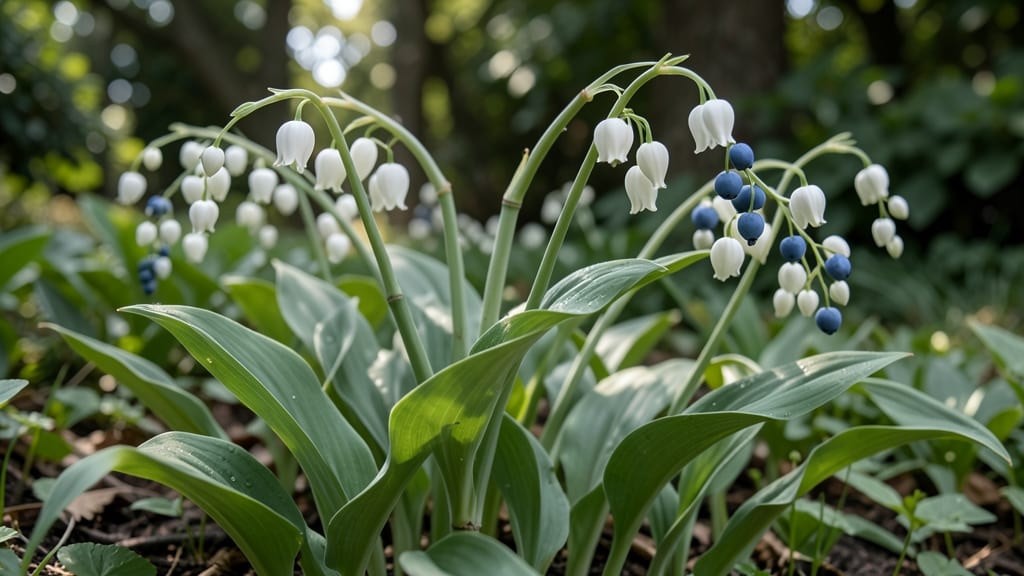
Tired of static, flat foliage in your shady garden? Solomon's seal (Polygonatum) brings elegant movement with its arching, bamboo-like stems that gracefully sway in the breeze. Unlike rigid perennials, its dangling clusters of bell-shaped white flowers (followed by edible blue berries) create a natural, flowing rhythm—ideal for borders where you want softness instead of sharp edges.
This low-maintenance perennial thrives in 3-6 hours of dappled shade and adapts to most soil types, though it prefers moist, well-draining conditions. Plant it in groups of 3-5 along pathways or woodland edges, where its 3-4 foot height adds vertical interest without overwhelming smaller plants. Variegated varieties like 'Variegatum' offer creamy yellow stripes for extra contrast, while deer and rabbits typically avoid it—perfect for rural gardens.
Woodland gardeners and cottage-style enthusiasts will love how Solomon's seal pairs with hostas or ferns for a lush, layered look. Its spring-to-summer blooms provide nectar for pollinators, and the berries attract birds later in the season—making it a functional and beautiful addition to any semi-shade spot. 🌿
Sweet Woodruff for Fragrant Ground Cover

Want to transform a dull shady corner into a fragrant, living carpet? Sweet woodruff (Galium odoratum) is your secret weapon—a delicate, low-growing perennial that spreads gently while filling spaces with its vanilla-like scent when crushed. Unlike aggressive ground covers, it stays neat and creates a lush green mat perfect for under trees, along pathways, or in woodland gardens.
This shade-loving plant thrives in 3-6 hours of dappled sunlight and tolerates dry conditions once established, making it ideal for low-maintenance gardens. Its star-shaped white flowers bloom in late spring, followed by clusters of tiny red berries that add winter interest. Simply scatter seeds or divide established plants in early spring for quick coverage—it spreads slowly but steadily without becoming invasive.
Perfect for cottage gardens, fairy-tale landscapes, or urban courtyards, sweet woodruff pairs beautifully with ferns, hostas, or hellebores. Its pollinator-friendly blooms and year-round fragrance make it a sensory delight for gardeners who love subtle, natural beauty. 🌿