
Shrubs
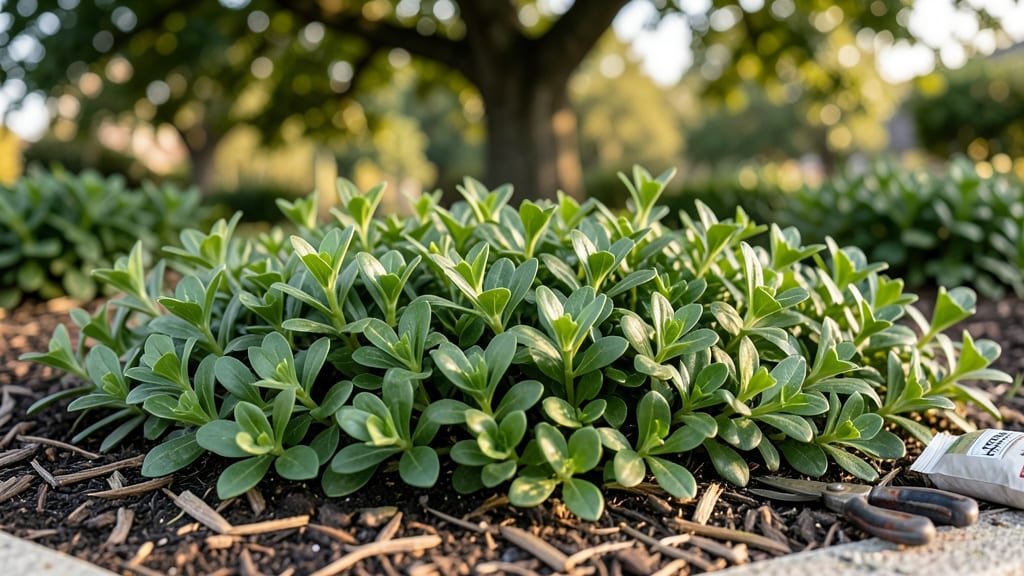
Pachysandra thrives in shade or partial sun 🌿 — but getting the balance wrong can leave your plants looking sad and sparse.
Struggling to keep your pachysandra lush and thriving? The secret often lies in matching its light needs—too much sun or too little shade can stunt growth and leave your garden looking sparse.
This hardy shrub loves the dappled light under trees or the gentle glow of a north-facing window, but it can also handle a few hours of morning sun. The key is avoiding harsh afternoon rays, which can scorch its delicate leaves.
In this guide, I’ll break down exactly how much light pachysandra needs, how to spot signs of stress, and how to adjust its environment for bushier, healthier growth—no guesswork required.
 Best Window Placement
Pachysandra light requirements: sun vs shade breakdown for optimal growth
Pachysandra thrives when you match its light preferences to its natural habitat—typically woodland understories with filtered sunlight.
While it’s famously shade-tolerant, not all varieties handle sun the same way. Pachysandra procumbens, the most common type, prefers partial shade (2-4 hours of morning sun), while Pachysandra terminalis can tolerate slightly more light.
Misjudging these needs often leads to leggy growth or sunburned foliage, so let’s break it down.
Too much direct afternoon sun causes pachysandra leaves to yellow or scorch, especially in hot climates. On the flip side, deep, unfiltered shade can result in sparse, thin foliage as the plant stretches toward any available light.
The key is finding that sweet spot of dappled light, where sunlight gently filters through trees or shrubs. This mimics its native environment and keeps your pachysandra dense and vibrant.
Here’s how different varieties handle light exposure—compare these traits to your garden’s conditions to make the best choice:
| Variety | Ideal Light | Sun Tolerance | Shade Tolerance | Signs of Stress |
|---|---|---|---|---|
| Pachysandra procumbens | Partial shade (2-4 hrs sun) | Moderate (morning sun only) | High (full shade acceptable) | Yellowing leaves, leggy growth |
| Pachysandra terminalis | Partial shade to light shade | Low (avoid direct sun) | Very high (thrives in deep shade) | Brown leaf edges, stunted growth |
| Green Sheen | Partial shade (3-5 hrs sun) | Moderate (dappled light) | High (adapts well) | Pale foliage, weak stems |
| Variegata | Partial shade (2-3 hrs sun) | Low (avoid harsh light) | High (preserves variegation) | Green reverting, leaf scorch |
If your pachysandra shows yellowing leaves or brown patches, it’s likely getting too much sun. These signs appear first on older leaves and spread quickly in hot conditions. On the other hand, thin, sparse foliage with long stems between leaves signals insufficient light.
In this case, try moving your plant to a slightly brighter spot or prune nearby trees to allow more indirect light to reach it.
For bushier growth, aim for 30-50% shade coverage during peak sunlight hours. This means planting pachysandra under deciduous trees (like maples or oaks) or near north-facing walls. If your garden lacks natural shade, create it with lattice screens or light-colored fabric shades to diffuse harsh sunlight.
Even a few hours of morning sun can make a difference in foliage density.
Seasonal adjustments are key—pachysandra handles winter shade better than summer sun. In hot climates, afternoon shade is critical to prevent heat stress. If you notice your plant wilting or drooping in summer, it’s a clear sign to provide more shade immediately.
Conversely, in winter months, a bit of extra light can encourage spring regrowth.
Pro tip: Use a light meter or observe your pachysandra’s behavior over a week. If leaves stay dark green and glossy, you’ve nailed the light balance. If they look dull or pale, adjust accordingly.
Remember, pachysandra is a low-maintenance plant, but getting its light right is the foundation of healthy growth.
For urban gardens with limited shade, consider container growing near a shaded patio or balcony. This gives you control over light exposure and protects roots from heat reflection from pavement.
Just ensure containers have drainage holes to prevent root rot—a common issue when pachysandra sits in soggy soil, especially in low-light conditions.
Lastly, avoid the myth that pachysandra can thrive in full sun. While it may survive, its growth rate slows, and foliage becomes less dense.
Think of it as a shade-loving ground cover—the more you replicate its natural habitat, the more it rewards you with lush, vibrant coverage.
🌿
How to adjust light conditions for bushier pachysandra growth
If your pachysandra looks sparse or leggy, it’s likely begging for better light management. While these shade-loving plants thrive in partial shade, too little light causes weak growth, while intense afternoon sun can scorch delicate foliage.
The key is finding that sweet spot—where your pachysandra gets just enough light to stay lush without stress. Let’s explore how to tweak its environment for denser, bushier growth.
Start by observing your pachysandra’s current light conditions. If it’s planted under dense tree canopies, it may need more filtered light to prevent etiolated (stretched) stems. Conversely, if it’s in a bright, open area with harsh afternoon rays, you’ll need to shield it.
The goal is 2-4 hours of morning sun or dappled shade throughout the day—similar to what you’d find under a deciduous tree.
- 🌳 For too little light: Thin nearby trees or relocate to a sunnier spot with morning sun.
- 🌞 For too much sun: Install a light sheer fabric or plant taller shrubs nearby for shade.
- ✂️ Prune leggy stems: Cut back overly elongated growth to encourage bushier regrowth.
- 🌱 Mulch strategically: Add 2-3 inches of mulch to retain moisture and regulate soil temperature.
- 🌿 Fertilize lightly: Use a balanced 10-10-10 fertilizer in early spring to support new growth.
Seasonal adjustments are also critical. In summer’s intense heat, pachysandra may need extra shade—consider temporary shade cloth or relocating potted plants to a cooler, shadier spot. In spring and fall, when light is gentler, you can gradually expose your plants to more sunlight to harden them off.
This gradual acclimation prevents shock and encourages thicker foliage.
Don’t overlook the power of pruning for light control. When you prune back overly dense areas, you improve air circulation and allow more light to penetrate the center of the plant. Aim to trim 1/3 of the oldest growth in early spring to stimulate new, bushier shoots.
Just avoid heavy pruning in late summer or fall, as this can stress the plant before winter.
For container-grown pachysandra, mobility is your best friend. Rotate pots every 2-3 weeks to ensure even light exposure on all sides. This prevents lopsided growth and keeps the plant compact.
If your pachysandra is struggling, try moving it to a north-facing window indoors during extreme heat waves—just remember it’s not a houseplant and will need to return to outdoor conditions eventually.
With these adjustments, your pachysandra will reward you with thicker foliage and a fuller appearance in just a few months. The secret is patience—small, consistent changes yield the best results. Happy gardening! 🌿