
Orchid Care
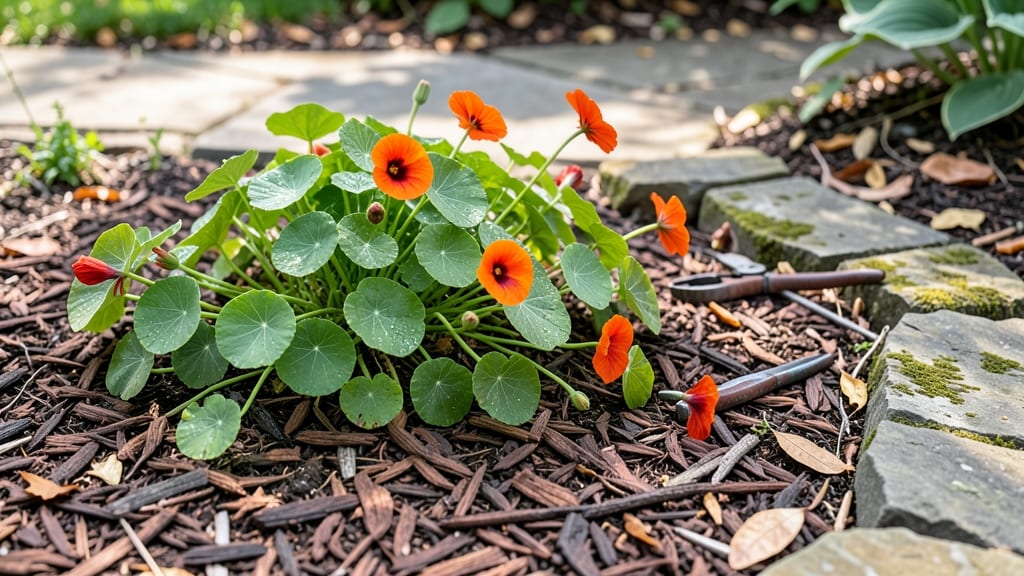
Nasturtiums grow best in either sun or shade, but the light you choose directly impacts how many blooms you’ll see and how flavorful those edible flowers and leaves will be.
Picture this: your nasturtiums 🌸 are leggy and sparse, with just a handful of tiny blooms instead of the vibrant clusters you expected. That’s often a sign they’re not getting the right balance of light—or too much of it.
Here’s the secret: while nasturtiums are famously adaptable, they perform best with 4 to 6 hours of sunlight daily. Too little shade can stunt their growth, while too much scorching heat might stress them out—especially in hotter climates like USDA Zone 6a.
In this guide, I’ll break down exactly how to position your nasturtiums for maximum blooms and flavor, whether you’re planting in full sun, partial shade, or even containers with limited light.
 Best Window Placement
How much sun or shade do nasturtiums need for optimal growth?
Nasturtiums are one of those versatile garden superstars that adapt beautifully to both sun and shade, making them perfect for almost any garden spot.
Whether you're growing trailing varieties over a trellis or bush types in containers, understanding their light needs will unlock vibrant blooms and peppery edible leaves. Let’s break down the ideal sunlight hours and how shade affects their performance.
Most nasturtiums thrive with 4 to 6 hours of direct sunlight daily, but they can tolerate partial shade—especially in hotter climates like zones 8-11. In cooler zones (3-7), they’ll appreciate a bit more sun to boost flowering and flavor.
The key is balancing light with your local climate to avoid leggy stems or sparse blooms.
🌱 Nasturtium Light Requirements by Variety
| Variety Type | Ideal Sunlight | Shade Tolerance | Best For |
|---|---|---|---|
| Trailing (e.g., 'Alaska') | 4-6 hours | Partial shade (morning sun) | Containers, trellises |
| Bush (e.g., 'Empress of India') | 6+ hours | Minimal shade (afternoon only) | Full sun beds |
| Dwarf (e.g., 'Tiny Rubies') | 3-4 hours | High shade tolerance | Shady borders, windowsills |
Trailing nasturtiums like 'Alaska' are the most shade-tolerant, thriving with just 3-4 hours of morning sun—ideal for east-facing windows or under trees. These varieties produce delicate, lacy flowers and are perfect for container gardening on patios or balconies.
In contrast, bush types such as 'Empress of India' demand full sun (6+ hours) to prevent weak stems and fewer blooms.
Dwarf varieties like 'Tiny Rubies' are your shade champions, handling partial shade all day while still producing colorful, edible flowers. They’re fantastic for window boxes or shady garden corners, though their blooms may be slightly smaller.
If you’re in zones 8-11, provide afternoon shade during peak summer to prevent heat stress and wilting.
Shade affects nasturtiums in subtle but noticeable ways. Too little light (under 3 hours/day) leads to leggy growth and sparse flowers, while too much afternoon sun in hot climates can cause leaf scorch.
The sweet spot? Morning sun + afternoon shade in zones 9-11, or full sun with afternoon watering in cooler zones (3-7).
For container-grown nasturtiums, rotate pots weekly to ensure even light exposure—this prevents one-sided growth and keeps plants compact and bushy. If your garden has mixed light conditions, prioritize trailing or dwarf varieties near shady spots and reserve bush types for sunnier areas.
This simple strategy maximizes your harvest of flowers and leaves!
Pro tip: Mulch around nasturtiums to retain soil moisture, especially in partial shade where evaporation is slower. Use straw or shredded leaves to keep roots cool and encourage robust growth. Avoid heavy mulches like wood chips, which can smother delicate stems.
In zones 3-5, nasturtiums benefit from extended sunlight to stimulate early blooming before summer heat sets in. Plant them near south-facing walls or fences to reflect extra light onto the foliage.
Conversely, in zones 10-11, dappled shade from trees is ideal—just ensure they get at least 3 hours of direct light to prevent stunted growth.
Remember, nasturtiums are self-sufficient plants that tolerate imperfect conditions. Even if you can’t hit the ideal 4-6 hours of sun, they’ll still produce flowers and edible leaves.
The trade-off? Fewer blooms and smaller leaves in low-light conditions. For the best flavor and abundance, aim for bright, indirect light or morning sun.
Signs your nasturtiums aren’t getting the right light (and how to fix it)
Your nasturtiums might be sending you SOS signals through their leaves and stems. If they're growing leggy with sparse blooms or developing yellowing leaves, light issues are often the culprit.
These hardy plants can handle full sun or partial shade, but too little or too much light throws their growth off balance.
First, check their current location. Trailing varieties like 'Alaska' need at least 4-6 hours of sunlight daily, while bush types tolerate 3-4 hours of partial shade. Without enough light, they stretch toward any available sun, creating weak stems that flop over containers or garden beds.
⚠️
Your plants may be in light shock if you see:
- Leggy stems reaching toward light sources
- Pale yellow leaves (chlorosis) from insufficient light
- Fewer than 5 blooms per stem (normal is 10+)
- Stunted growth below 6 inches after 6 weeks
💡 Quick Fix: Move plants to morning sun (6 AM–12 PM) for gradual acclimation.
For spring planting, start nasturtiums in partial shade (30% sunlight) to prevent heat stress in zones 7-11. Gradually increase exposure to full sun by late May—this mimics their natural summer growth cycle.
In fall, reduce light exposure to 3 hours daily as days shorten to avoid premature dormancy.
If relocating isn't an option, prune leggy stems back by one-third to encourage bushier growth. Cut just above a leaf node where new shoots will form. Pair this with organic mulch (2-3 inches of straw) to retain moisture and regulate soil temperature during light adjustments.
Pro tip: Use reflective surfaces like white gravel or mirrors near shaded plants to bounce extra light onto leaves. This works wonders for container-grown nasturtiums on north-facing patios where direct sun is limited. Monitor progress weekly—healthy nasturtiums should regain vibrancy within 2-3 weeks of light corrections.
Remember, overcorrecting light exposure can cause shock. If moving from deep shade to full sun, do it gradually over 7-10 days to avoid sunburn on leaves. Your nasturtiums will reward you with bold blooms and peppery edible leaves once you've cracked the light code! 🌿