
Companion Plants
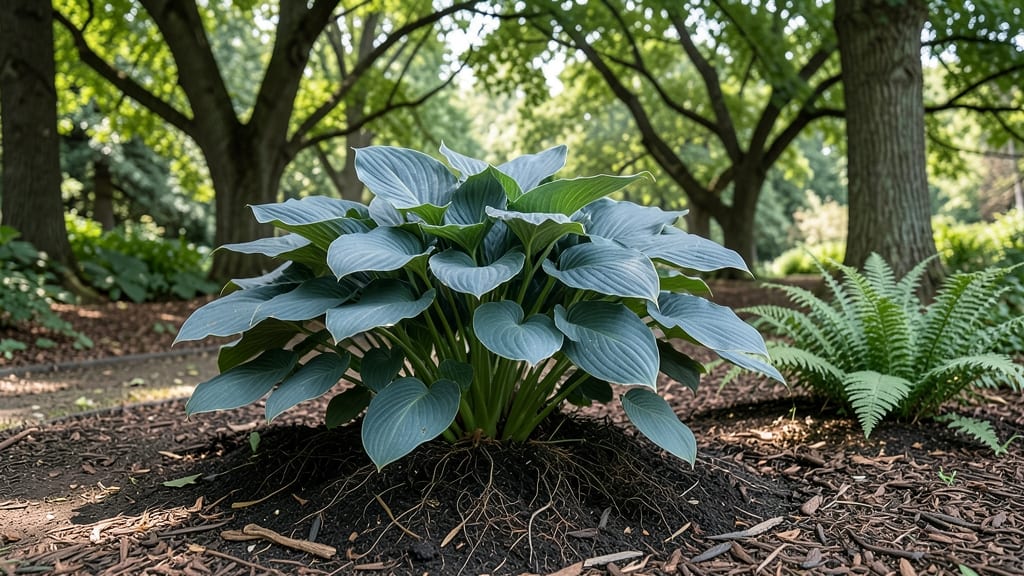
Mostly shade plants turn dull corners into lush, vibrant spaces—no direct sunlight required. 🌿 I’ve transformed my own shady backyard into a thriving oasis using foliage that others would give up on, like hostas, ferns, and astilbes that practically glow in low light.
The secret isn’t fancy equipment but smart layering: pair tall hellebores with low-growing ajuga, and suddenly, your shady spot becomes a layered masterpiece.
These plants aren’t just survivors—they’re stars. Hostas deliver bold, textured leaves in shades of blue, green, and gold, while ferns add delicate fronds that dance in the breeze. Astilbes bring feathery plumes of pink or white, and even in deep shade, they put on a show.
The best part? Most thrive with just 4-6 hours of dappled light, making them perfect for under trees, north-facing walls, or dense shrubbery.
Layering is where the magic happens. Start with 3-foot-tall plants like Japanese painted ferns or lungwort at the back, then add mid-height options like coral bells or Solomon’s seal.
Fill the front with creeping jenny or sweet woodruff for a lush, carpet-like effect. The result? A garden that feels alive, even when the sun stays hidden.
Pro tip: Mix in a few shade-tolerant bloomers like bleeding hearts or toad lilies for pops of color. These plants not only survive in shade—they thrive, creating a garden that’s as dynamic as any sunlit space. Ready to turn your shady spot into a showstopper?
📚 In This Guide
- What you need
- Instructions
- Tips and common mistakes
- Wrapping up and next steps
What you need
- ● Shade-tolerant plants: 3–5 varieties (e.g., Hostas, Ferns, Heucheras, Astilbes, or Caladiums). Choose based on your shade level (full, partial, or dappled).
- ● High-quality potting soil or compost: 5–10 gallons (ensure it’s well-draining and rich in organic matter).
- ● Containers or garden beds: Containers: 1–2 per plant (5–15 gallons, with drainage holes).
- ● Garden beds: 3’x3’ or larger, amended with compost for loose, airy soil.
- ● Mulch: 2–3 inches of shredded bark, pine needles, or leaf mold to retain moisture and suppress weeds.
- ● Slow-release fertilizer: Balanced (10-10-10) or organic options like worm castings or compost tea.
- ● Garden gloves (1 pair, waterproof and durable).
- ● Trowel or hand shovel (for transplanting or container planting).
- ● Watering can or hose with a gentle spray nozzle (shade plants prefer consistent moisture).
- ● Pruners or shears (for trimming dead foliage or shaping plants).
- ○ pH testing kit (optional) – To check soil acidity (ideal range: 5.5–6.5 for most shade plants).
- ● Location assessment: Identify your shade type (e.g., full shade = partial shade = 6–8 hrs).
- ● Drainage check: Ensure containers or beds aren’t waterlogged (add perlite or sand if needed).
- ● Local climate knowledge: Research your hardiness zone (USDA Zone 3–10 for most shade plants).
How to design a low-maintenance shade garden that stays lush all season
Here's my go-to approach for creating a shade garden that stays vibrant with minimal fuss.
🌿 Step 1: Select the Right Shade-Tolerant Plants
Choose plants that naturally thrive in partial to full shade—think hostas, ferns, astilbes, heucheras, and impatiens. I always pick varieties with bold foliage since flowers can be scarce in low light. For example, heucheras offer stunning leaf colors from deep purple to chartreuse, while hostas provide lush, textured leaves in shades of blue, green, and gold.
Group plants by their light needs: place full-shade lovers (like foamflower or lungwort) under trees, while partial-shade plants (such as coleus or sweet woodruff) can handle a few hours of morning sun. Avoid sun-loving plants like geraniums or lavender—they’ll quickly wilt and disappoint. I like to sketch a rough layout first to visualize how different textures and colors will play together.
🪴 Step 2: Prepare the Soil for Moisture Retention
Shade gardens often have compacted or dry soil, so I always amend it with 3-4 inches of organic matter—like compost or well-rotted leaf mold—to improve drainage and water retention. Shade plants typically need consistently moist (but not soggy) soil, so I mix in pearlite or coarse sand if the soil feels heavy or clay-like. Test the soil’s moisture by squeezing a handful: it should hold together but not feel sticky.
If your garden has poor drainage, consider adding a 1-inch layer of gravel at the bottom of planting holes to prevent root rot. I also mulch heavily with 3-4 inches of shredded bark or wood chips to keep moisture in and weeds out. This layer also regulates soil temperature, which is especially helpful in hot climates where shade areas can still get warm.
☀️ Step 3: Plant with Layered Depth and Height
Start with taller plants (like astilbes or ferns) at the back, then add medium-height foliage (such as heucheras or hostas) in the middle, and fill the front with spreading ground covers (like sweet woodruff or ajuga). This creates visual interest and ensures no bare spots show through. I space plants 12-18 inches apart, depending on their mature size—crowding leads to competition for nutrients and moisture.
Dig holes twice as wide as the root ball but only as deep as the container. Gently loosen the roots if they’re circling, then place the plant in the hole and backfill with soil, pressing lightly to remove air pockets. Water deeply right after planting to settle the soil and encourage root growth. You’ll know it’s done right when the soil surface looks slightly firm and the plant sits at the same level it was in its container.
💧 Step 4: Water Deeply but Infrequently
Shade plants typically need watering every 5-7 days, but the key is deep watering—soak the soil until it’s 6 inches down to encourage strong root growth. I check moisture by sticking my finger into the soil: if it’s dry past the first inch, it’s time to water. Overwatering is a common mistake—soggy soil leads to root rot, especially in containers or heavy clay.
Morning watering is best because it gives plants time to absorb moisture before evening, reducing the risk of fungal diseases. If your garden has dry shade (like under pine trees), mulch more heavily to retain moisture. You’ll notice healthier foliage and fewer wilting leaves when the watering routine is consistent. Adjust frequency based on rainfall—if you get 1 inch of rain, skip watering for that week.
✂️ Step 5: Prune and Maintain for Long-Term Health
Most shade plants need minimal pruning, but I always remove dead or yellowing leaves in early spring to encourage new growth. For hostas and heucheras, I trim back any tattered foliage after they’ve finished flowering (if they do) or when new growth appears in spring. Ferns benefit from light pruning in late winter to tidy up their fronds—just snip off the old, brown ones with clean scissors.
Fertilize lightly in early spring with a balanced, slow-release fertilizer (like 10-10-10) to give plants a gentle boost. Too much fertilizer can lead to weak, leggy growth or even burn the roots, so I stick to half the recommended dose. Watch for pests like slugs or aphids—they love tender shade plants. If you spot damage, I use neem oil or diatomaceous earth for a natural solution. A healthy shade garden should look lush and full with minimal effort once established.
Tips & tricks for creating a thriving low-maintenance shade garden
Here's what I've learned after years of watching shade gardens thrive—and others struggle.
Plant Selection Wisdom: When choosing shade plants, focus on leaf texture and color rather than just flowers. For example, heucheras with their vibrant foliage often outperform flowering plants in low light. I always look for varieties labeled as "shade-tolerant" or "low-light" on the tag—these plants have been bred specifically to handle the conditions. In Step 1, consider adding ajuga or sweet woodruff for ground cover—they spread beautifully and suppress weeds naturally.
Soil Preparation Secret: The 3-4 inches of organic matter in Step 2 is non-negotiable for shade gardens. I've seen many gardens fail because people skip this step, thinking shade plants don't need rich soil. For clay-heavy soils, mix in 1 part perlite to 3 parts soil—this improves drainage without sacrificing moisture retention. If you're working with sandy soil, add 2 parts compost to 1 part soil instead. The key is creating that perfect balance between drainage and water retention.
Layering Technique: In Step 3, the layered approach isn't just about looks—it's about creating microclimates. Taller plants like astilbes actually provide shade for the plants below them, which helps maintain consistent moisture levels. When spacing, remember that 12-18 inches is a guideline—some plants like hostas can handle closer spacing (10-12 inches), while ferns need more room (18-24 inches) to spread their fronds properly. I always sketch my layout on graph paper first to visualize the mature sizes.
Watering Strategy: The 5-7 day watering schedule in Step 4 works best when you water deeply—not just a quick sprinkle. I use a soaker hose for this because it delivers water right to the roots without wetting the foliage (which helps prevent fungal issues). For containers, I check moisture by lifting the pot—if it feels light, it's time to water. In hot climates, I increase my mulch to 4-5 inches to help retain moisture longer between waterings.
Pro Tips for Mostly Shade Plants
- Here's what I've learned after years of watching shade gardens thrive—and others struggle.
- Plant Selection Wisdom: When choosing shade plants, focus on leaf texture and color rather than just flowers.
- Soil Preparation Secret: The 3-4 inches of organic matter in Step 2 is non-negotiable for shade gardens.
Frequently asked questions
Got questions about keeping your shade garden lush and lively?
You’re not alone! Here are answers to the most common queries about mostly shade plants—so you can grow with confidence.
What are the easiest mostly shade plants for beginners?
Start with hostas, heucheras, or ferns—they’re forgiving, low-maintenance, and handle shade like pros. Astilbes and bleeding hearts are also great picks for their vibrant foliage and resilience. Pro tip: Choose plants labeled "partial to full shade" (4+ hours of indirect light) for foolproof results!
How long does it take for mostly shade plants to establish?
Most shade-loving plants take 1–2 seasons to fully settle in, but some (like hostas) may show steady growth within a few months. Patience pays off—focus on consistent watering (especially the first year) and mulching to speed up root development. Avoid over-fertilizing early; slow and steady wins the shade game!
Do mostly shade plants need extra watering?
Yes, but not always! Many thrive in moist (not soggy) soil. Check soil moisture weekly—if the top inch feels dry, water deeply. Ferns and astilbes love humidity, while heucheras prefer slightly drier conditions. Mulch with shredded bark to retain moisture and suppress weeds.
Can I grow edible plants in mostly shade?
Try lettuce, spinach, or radishes (they tolerate partial shade). For perennials, rhubarb and strawberries (in cooler climates) do well. Just expect smaller yields—shade slows growth but doesn’t stop edible harvests. Pair them with shade-tolerant herbs like mint or chives for a dual-purpose garden!
Why are my mostly shade plants yellowing or wilting?
Yellow leaves often mean overwatering or nutrient deficiency (like iron or nitrogen). Wilting could signal root rot (from poor drainage) or underwatering. First, check soil moisture—let it dry slightly between waterings. If roots look mushy, repot or improve drainage. A balanced, slow-release fertilizer can revive lackluster foliage!
Wrapping up and next steps
Transforming your shady spots into lush, vibrant gardens is easier than you think! Mostly shade plants like hostas, ferns, and astilbes prove that even low-light areas can be thriving havens—with the right choices and a little care.
Whether you're a seasoned gardener or just starting out, these hardy plants offer low-maintenance beauty and resilience, making them perfect for adding life to forgotten corners.
Ready to green up your space? Start small—pick one or two plants from our list, test your soil, and dive in! Grab your gloves and get growing! 🌿✨