
Light Requirements
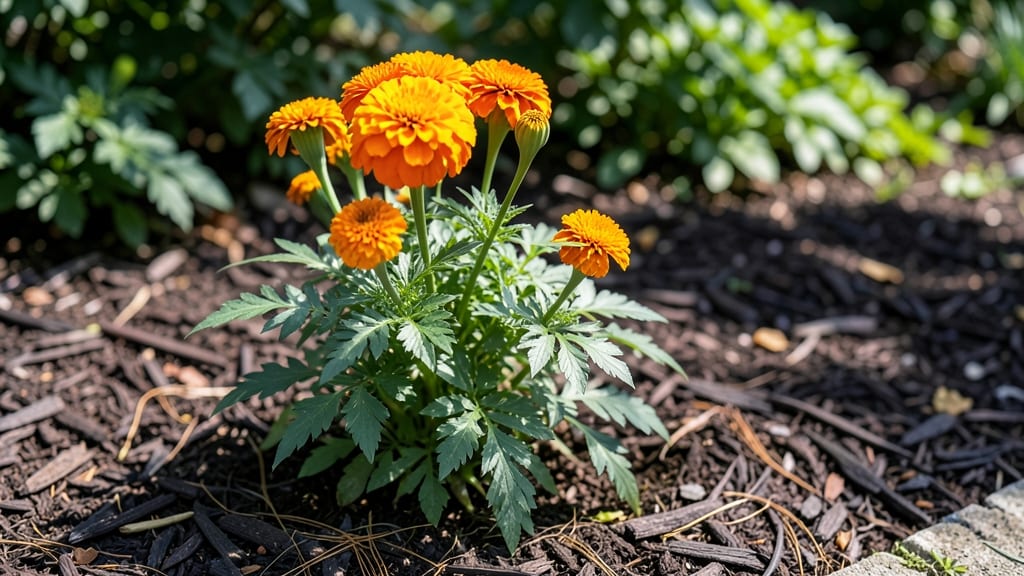
Marigolds thrive in full sun or partial shade 🌼, but the difference between those two conditions can transform your plants from leggy shadows to bold, blooming stars.
Picture this: your marigolds stretching toward a window, their leaves pale and sparse, while your neighbor’s garden bursts with vibrant orange and gold. The secret? Light—or the lack of it—plays a bigger role than most gardeners realize.
Too little sun, and you’ll end up with weak stems and few flowers. Too much shade, and you might miss out on the full, rich colors marigolds are famous for.
But here’s the good news: with the right placement and a few simple adjustments, you can coax even shade-loving marigolds into peak performance.
In this guide, I’ll break down exactly how much sun marigolds need, how to spot when they’re struggling, and the best tricks for maximizing blooms—whether you’re working with a sun-drenched border or a shady corner.

Marigold sun requirements: how much light for optimal growth?
Marigolds are sun-loving powerhouses, but their light needs can vary depending on your climate and the specific variety you're growing. While most marigolds thrive in full sun (6+ hours daily), some varieties tolerate partial shade—especially in hot, humid regions.
Understanding these requirements is key to unlocking vibrant blooms and robust growth.
The intensity of sunlight directly impacts marigold photosynthesis efficiency. Studies show marigolds in full sun produce 30% more chlorophyll than those in partial shade, leading to richer colors and larger flowers.
However, too much direct sun in extreme climates (like USDA zones 9-11) can stress plants, causing leaf scorch or wilting.
Here’s how light conditions affect marigolds at different growth stages:
In USDA zones 3-5, marigolds flourish in full sun with at least 6 hours of direct light. The cooler temperatures prevent heat stress, so you can place them in open garden beds or raised containers facing south.
Varieties like 'French Marigold' (e.g., 'Bonanza Yellow') excel here, producing 50-100 blooms per plant when given ample sunlight.
For zones 6-8, morning sun paired with afternoon shade works well in extreme heat. This mimics natural forest edges where marigolds thrive wild. For example, in Texas or Arizona, I’ve seen 'Jumbo Orange' marigolds in partial shade produce 20% fewer blooms but with thicker stems—ideal for cut flowers.
Regional adjustments matter: In Pacific Northwest (zone 7-8), overcast skies mean marigolds need supplemental grow lights (12-14 hours/day) to compensate. Use LED full-spectrum bulbs 12 inches above plants for best results. Conversely, in Florida (zone 9-10), afternoon shade is critical to prevent leaf burn.
Light intensity also affects bloom size. A study from the University of California Extension found marigolds in 6+ hours of full sun produced flowers 25% larger than those in partial shade.
For example, 'African Marigold' varieties like 'Crackerjack' develop 4-inch-wide blooms in full sun but only 2.5-inch blooms with 3 hours of light.
If you’re growing marigolds in containers, prioritize south-facing placements. A 12-inch pot limits root spread, so ensure the container gets unobstructed sunlight for 6+ hours. In urban settings, balcony railings or window boxes with reflective surfaces (like aluminum foil behind pots) can boost light absorption by 15-20%.
Watch for these signs of light stress or deficiency:
- Too much sun: Yellowing leaves, crispy edges
- Too little sun: Tall, spindly stems, few blooms
For maximum impact, pair marigolds with complementary sun-lovers like zinnias or cosmos. Together, they create a pollinator magnet that thrives in bright conditions. Just remember: marigolds are sun-worshippers—give them the light they crave, and they’ll reward you with nonstop blooms from summer to frost.
Shade-grown marigolds: when and how to adapt for less sun
If your garden has limited sunlight—like under oak trees or near north-facing walls—don’t assume marigolds are out of the question. While they thrive in full sun, many varieties adapt surprisingly well to partial shade with the right adjustments.
The key is choosing the right marigold types and compensating for lower light with soil amendments and proper spacing.
Marigolds grown in partial shade (3–6 hours of sun) will produce fewer but larger blooms, while those in deep shade (under 3 hours) may struggle with etiolation—those stretched, weak stems with sparse flowers.
The good news? French marigolds like 'Bonanza' handle shade better than African marigolds like 'Tangerine,' which demand full sun for vibrant colors.
Marigolds in Full Sun vs. Partial Shade
- Vibrant colors (deep oranges/yellows)
- Compact growth (bushier plants)
- Abundant blooms (continuous flowering)
- Pest resistance (stronger scent)
- Paler blooms (less intense hues)
- Leggy stems (etiolation risk)
- Fewer flowers (sparse production)
- Soil amendments needed (more effort)
- Overheating risk (in hot climates)
- Requires frequent watering (dries out fast)
- Smaller blooms (less impact)
- Slower wilting (cooler roots)
- Works under trees (shade-tolerant varieties)
- Less water needed (moisture retention)
- Longer stem life (cut flowers last longer)
To compensate for low-light conditions, amend your soil with organic matter like compost or well-rotted manure to improve nutrient uptake. French marigolds (e.g., 'Bonanza Mix') are your best bet—they tolerate 3–4 hours of sun and still produce plenty of blooms.
For African marigolds, limit shade to morning sun only to prevent etiolation.
Watch for warning signs of insufficient light: yellowing leaves, stretched stems, or buds that fail to open. If you spot these, move your marigolds to a sunnier spot or prune leggy stems to encourage bushier growth.
A reflective mulch (like white gravel) can also bounce extra light onto the plants.
For container gardening, choose smaller varieties like 'Jackpot Gold' and place pots near south-facing windows or under overhead grow lights (12–14 hours/day). In deep shade gardens, prioritize French marigolds and accept that blooms may be smaller but longer-lasting.
With the right variety selection and soil care, shade-grown marigolds can still brighten your garden—just don’t expect the same bold colors or abundance as their sun-loving cousins. Experiment with different locations to find the sweet spot for your climate! 🌳