
Shrubs
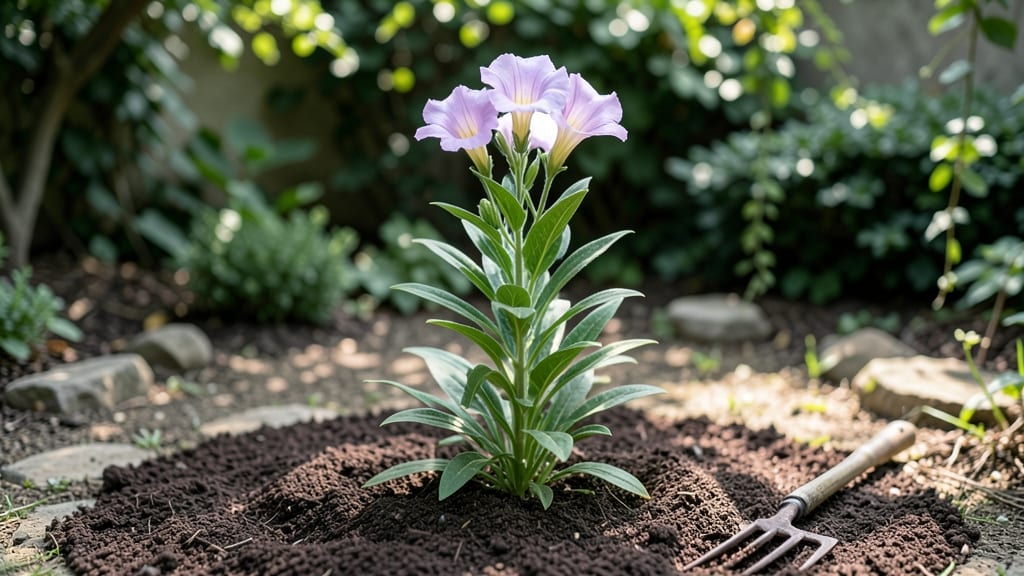
Lisianthus blooms best with 4-6 hours of sunlight daily, but they’ll tolerate partial shade—just don’t hide them completely. 🌿 I’ve grown lisianthus in everything from full sun to dappled shade, and the key is matching their light needs to your garden’s microclimates.
Too much shade means fewer flowers, while too much sun can scorch their delicate petals in hot climates.
The trick is finding that sweet spot where they get enough light for strong stems but stay cool enough to keep blooming all season. In hot zones, afternoon shade helps, while cooler areas can handle more sun.
My lisianthus in partial shade still produces dozens of heart-shaped blooms—just smaller than their sun-loving cousins.
You’ll notice the difference in plant health: lisianthus in ideal light stays bushy, with vibrant petals and minimal stress. The flowers even last longer when they’re not fighting for sunlight. With the right balance, you’ll enjoy blooms from early summer through fall.
Works for garden beds, containers, or even as cut flowers—just adjust their spot based on your climate. Here’s how to get it right without guesswork.
📚 In This Guide
- What you need
- Instructions
- Tips and common mistakes
- Wrapping up and next steps
What you need
- ● Lisianthus plants: 1–3 nursery-grown lisianthus (Eustoma grandiflorum) plants, depending on desired coverage
- ● Variety tip: Choose sun-tolerant cultivars like ‘Blushing Bride’ or shade-friendly ‘Purple Haze’
- ● Well-draining soil: 5–10 gallons of peat moss or coco coir (for moisture retention)
- ● 5–10 gallons of perlite or coarse sand (for aeration)
- ● 1–2 cups of slow-release fertilizer (10-10-10 or 14-14-14 NPK ratio)
- ● Container or garden bed: For containers: 1–2 gallon pots per plant (with drainage holes)
- ● For garden beds: 12–18 inches of loose, amended soil per plant
- ● Watering tools: Watering can or hose with a gentle spray nozzle (to avoid disturbing roots)
- ● Mulch (2–3 inches of pine bark or straw) to retain moisture
- ● Shade cloth: 30–50% coverage for afternoon sun protection (if temps exceed 85°F)
- ● Drip irrigation system: Automated watering for consistent moisture
- ● Reflective mulch: Light-colored gravel or aluminum foil to bounce sunlight onto leaves
- ● Grow lights: 12–14 hours of cool-white LED light (for indoor shade setups)
- ● Trowel or hand shovel (for transplanting)
- ● Gloves (to protect hands from soil and thorns)
- ● pH test kit (ideal soil pH: 6.0–6.5)
- ● Pruning shears (for deadheading spent blooms)
How to grow lisianthus in sun or shade
Lisianthus adapts beautifully to different light conditions—here's how to coax those heart-shaped blooms whether your garden is sun-drenched or dappled with shade.
☀️ Step 1: Choose the Right Light Spot
Lisianthus thrives in partial shade to full sun, but the key is finding the right balance. In hotter climates, plant them in morning sun with afternoon shade to prevent wilting. Look for spots that receive 3-6 hours of direct sunlight—this is ideal for consistent blooming.
If your garden is shadier, don’t worry—lisianthus handles filtered light well, though you may see slightly fewer blooms. Avoid deep shade (less than 3 hours of light daily), as this can lead to leggy stems and sparse flowers. Watch the leaves: deep green and upright means the light is just right.
🌱 Step 2: Prepare the Soil for Success
Lisianthus prefers well-draining, slightly acidic soil with a pH between 6.0 and 7.0. Before planting, loosen the soil to a depth of 12 inches to encourage root growth. Mix in 2-3 inches of compost to improve fertility and drainage—this helps prevent root rot, which is common in heavy clay soils.
If your soil is sandy, add a handful of peat moss to retain moisture. For clay-heavy soil, work in perlite or coarse sand to break up compaction. The goal is soil that feels light and crumbly when moist but not soggy. A quick test: squeeze a handful—if it holds shape but crumbles easily, it’s perfect.
🪴 Step 3: Plant Lisianthus at the Right Depth
Dig a hole twice as wide as the lisianthus root ball but only as deep as the container it came in. This prevents burying the crown too deeply, which can cause rot. Gently remove the plant from its container and place it in the hole, ensuring the top of the root ball sits level with the soil surface. Fill in around the roots with soil, pressing lightly to remove air pockets.
Space plants 18-24 inches apart to allow airflow and reduce disease risk. If planting in containers, use pots at least 12 inches deep with drainage holes. Water deeply after planting to settle the soil and encourage roots to spread. You’ll know it’s right when the soil surface looks even and firm without gaps.
💧 Step 4: Water Consistently Without Overdoing It
Lisianthus needs 1-1.5 inches of water per week, but the key is consistency. Water deeply 2-3 times per week in warm weather, letting the top 1-2 inches of soil dry out between waterings. Overwatering leads to yellowing leaves and weak stems, while underwatering causes buds to drop before opening.
Check moisture by sticking your finger 1 inch into the soil—if it feels dry, it’s time to water. In shade, reduce watering slightly since soil stays moist longer. Always water at the base of the plant to avoid wetting the foliage, which can invite fungal diseases. Mulch with 2-3 inches of organic mulch to retain moisture and keep roots cool.
✂️ Step 5: Prune and Deadhead for Longer Blooms
To encourage more flowers, deadhead spent blooms by pinching off the faded flowers just above a set of leaves. This redirects the plant’s energy into producing new buds instead of seeding. Prune leggy stems back by one-third in early summer to promote bushier growth and prevent flopping.
In late summer, cut back the entire plant by half to rejuvenate it for a second flush of blooms. Avoid heavy pruning in fall, as lisianthus needs time to harden off before winter. You’ll see stronger stems and more vibrant flowers if you prune regularly but lightly—never remove more than one-third of the plant at a time.
Tips & tricks for perfect lisianthus growth in any light
Here's what I've learned after growing lisianthus in both sun and shade—these little tricks make all the difference for those stunning heart-shaped blooms.
The Light Balance: If you're in a hotter climate, watch the leaves after Step 1. They'll tell you if you've got the right balance—deep green and upright means you're golden. If they start looking wilted or bleached, move your lisianthus to a spot with slightly less afternoon sun. That 3-6 hour window is perfect, but every microclimate is different.
Soil Texture Test: In Step 2, when you're preparing your soil, don't just guess about the texture. The squeeze test is your best friend—take a handful of your amended soil and press it gently. It should hold shape but crumble easily when you release pressure. If it stays in a hard clump, you need more perlite or sand. If it falls apart completely, add a bit more peat moss or compost to help retain moisture.
Planting Depth Secret: When you're planting in Step 3, pay special attention to that crown. The top of the root ball should sit level with the soil surface—no higher, no lower. I've seen gardeners bury the crown too deeply, which leads to rot, and others plant it too high, causing the roots to dry out. Use a small stick or pencil as a guide to mark your planting depth before you start.
Watering Rhythm: The 1-1.5 inches of water per week in Step 4 is a great guideline, but timing matters just as much. Water in the morning so the foliage has time to dry before evening. This simple habit prevents fungal diseases that can sneak in through wet leaves. And remember—always water at the base, not overhead. Your lisianthus will thank you with healthier stems and more vibrant blooms.
Pro Tips for Lisianthus Sun Or Shade
- Here's what I've learned after growing lisianthus in both sun and shade—these little tricks make all the difference for those stunning heart-shaped blooms.
- The Light Balance: If you're in a hotter climate, watch the leaves after Step 1.
- Soil Texture Test: In Step 2, when you're preparing your soil, don't just guess about the texture.
Frequently asked questions
Got questions about keeping your lisianthus happy in sun or shade? You’re not alone—these stunning blooms can be a little tricky! Here are some of the most common concerns, answered in plain terms.
Can lisianthus grow in full sun?
Yes, but with caution! Lisianthus loves bright, indirect light—think morning sun with afternoon shade. Full, hot sun can scorch leaves or cause buds to drop. If you must plant in full sun, ensure the soil stays consistently moist and mulch heavily to protect roots.
Is shade better for lisianthus?
Partial shade (3–6 hours of filtered light daily) is ideal, especially in hot climates. Too much shade (<3 hours of light) may reduce blooms, but it’s better than wilting in harsh sun. Test your spot: if the ground stays cool and dry, it’s likely a good match.
How do I know if my lisianthus isn’t getting enough light?
Watch for these red flags: leggy stems, fewer flowers, or yellowing leaves. If your plant looks stretched out or sparse, it’s begging for more light—try moving it closer to a window or a sheer curtain. A simple rule: if it’s struggling to bloom, it’s not getting enough sun.
Does lisianthus need more water in sun vs. shade?
Sunny spots dry out faster, so water more frequently (every 2–3 days) and deeply. In shade, water less often (every 5–7 days) but let the top inch of soil dry between waterings. Overwatering is worse than underwatering—always check soil moisture before reaching for the hose!
What’s a good alternative if my garden is all shade?
If lisianthus seems too finicky, try these shade-loving bloomers: impatiens, begonias, or heuchera. They thrive in low light and add color without the fuss. For a lisianthus-like look, opt for double-flowered impatiens—they’re just as dramatic!
Wrapping up and next steps
Whether you’re a seasoned gardener or just starting your green thumb journey, lisianthus proves that beauty thrives with a little adaptability! 🌸 These stunning blooms can dazzle in both sun and shade, making them the perfect choice for almost any spot in your garden.
Now that you know their light preferences, soil needs, and care tips, it’s time to plant with confidence—and watch your garden transform!
Ready to get growing? Pick your lisianthus variety, grab your gardening tools, and start planting! Whether you’re adding them to a sunny border or a shady nook, your garden will thank you with months of breathtaking color. Happy gardening! 🌿