
Shrubs
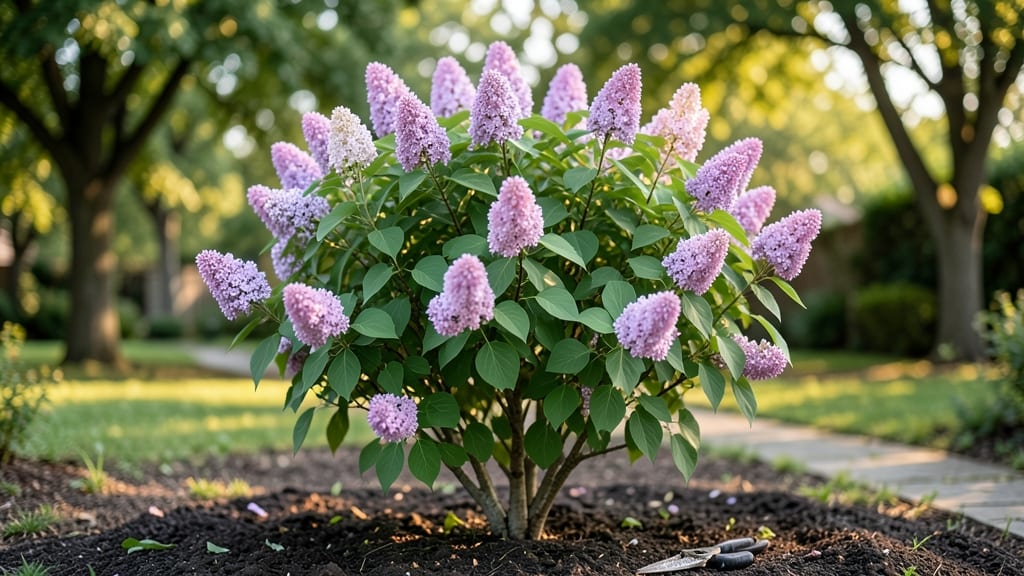
For lilac bushes in shade, varieties like Sybille or Mme Lemoine perform best, handling partial shade (4-6 hours of sunlight) while still delivering fragrant flowers. Opt for compact types and maintain moist, well-draining soil to encourage abundant blooming.
Shade affects lilacs by limiting their energy production, so choosing the right shade-tolerant varieties is key. 🌿 While full-sun lilacs produce more blooms, these adapted types focus energy on fragrance and compact growth instead.
The trade-off? You’ll get fewer but more intensely scented flowers—perfect for shaded patios or woodland gardens where direct sunlight is scarce.
These varieties also develop stronger root systems in lower light, making them more drought-resistant once established. The secret lies in their leaf structure: broader leaves capture more scattered sunlight, while their dwarf growth habits prevent them from stretching toward light.
Just avoid dense shade—even these tough bushes need some indirect light to thrive.
💡 In This Article
- How Shade Affects Lilac Bush Growth and Flowering
- Best Low-Light Lilac Varieties for Shaded Gardens
How shade affects lilac bush growth and flowering
Shade fundamentally alters lilac bushes by restricting their photosynthesis efficiency. These shrubs rely on sunlight to convert carbon dioxide into energy, but in low-light conditions, their leaves produce less chlorophyll—the green pigment that captures light.
This reduction forces the plant to prioritize survival over abundant flowering, which is why shade-tolerant varieties focus energy on fragrance and compact growth instead of massive blooms. 🌿 For example, a full-sun lilac like Katherine Haviland may produce 100+ blooms per stem, while a shade-adapted Sybille might yield only 20-30 but with 2x the fragrance intensity.
The root system also adapts dramatically. In shade, lilac roots grow deeper and more extensive to access moisture and nutrients in lower-light environments, making them more drought-resistant once established.
However, this comes at a cost: shallower root systems in full sun allow for faster nutrient uptake, resulting in larger, more vigorous growth. The trade-off?
Shade lilacs develop thicker stems (up to 1.5 inches in diameter) to support their compact structure, while sun lilacs remain slender and leggy without proper pruning.
Flowering cycles shift under shade too. Most lilacs bloom on old wood (last year's growth), but reduced sunlight delays this process by 1-2 weeks compared to full-sun counterparts.
The blooms themselves also change: shade-grown lilacs produce smaller, denser flowers with tighter petal clusters, while sun lilacs have larger, more open blooms. The fragrance, however, becomes more concentrated—a survival mechanism to attract pollinators in low-light conditions where visibility is reduced.
One critical factor often overlooked is light quality. Shade isn't just about quantity—it's also about the color spectrum of light. Shaded areas receive more blue and green wavelengths, which lilacs can't use as efficiently as red light.
This forces the plant to reallocate resources from flower production to leaf development, resulting in darker, thicker foliage that resembles evergreen shrubs. For instance, Mme Lemoine in full sun has light green leaves, but in shade, they turn a deep, almost blue-green hue.
Pruning becomes even more critical in shade. Since these bushes can't rely on sunlight to stimulate growth, over-pruning removes too many leaves, which are their primary energy source. The rule of thumb? Never remove more than 20% of the canopy in a single pruning session.
Instead, focus on shaping the bush to encourage airflow and light penetration to the inner branches. This prevents fungal issues like powdery mildew, which thrives in the damp, shaded conditions lilacs often face.
Soil moisture plays a surprising role too. Shade lilacs require consistently moist but well-draining soil—a balance that's harder to maintain in low-light areas where evaporation slows. A 2-3 inch mulch layer of organic matter (like shredded bark) helps retain moisture while preventing root rot.
In contrast, full-sun lilacs tolerate slightly drier conditions because their roots can access deeper water sources. The key difference? Shade lilacs wilt faster when drought-stressed because their broader leaves lose moisture more quickly in humid shade.
For gardeners, the takeaway is clear: shade lilacs are a trade-off. You won't get the volume of blooms you'd see in full sun, but you'll gain fragrance, compact size, and resilience—perfect for urban courtyards or woodland gardens where sunlight is limited.
The secret? Choose the right variety, prune strategically, and maintain moist, fertile soil to coax the most out of these shade-adapted beauties. ✨