
Light Requirements
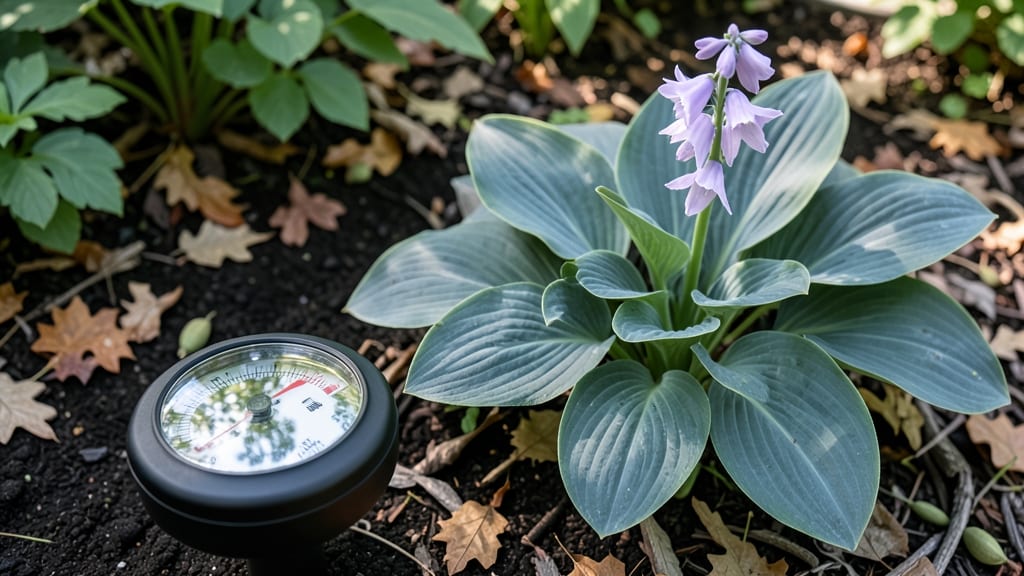
Part shade means getting 3 to 6 hours of direct sunlight daily, perfect for plants that thrive with morning sun or dappled light but can't handle harsh afternoon rays. This middle ground prevents leaf burn while still fueling steady growth.
Understanding part shade is all about balance—too little light and your plants stretch weakly, but too much turns leaves crispy. 🌿 The magic lies in those 3-6 hours, where morning sun provides gentle warmth while afternoon shade protects tender foliage.
I’ve found that plants like hostas and impatiens actually prefer this setup, as they avoid the stress of full sun but still get enough energy to bloom beautifully.
For accurate measurement, use a sun calculator or observe your garden’s light patterns over a week, since nearby trees or buildings can drastically alter exposure times.
What’s fascinating is how regional climates shift these numbers. In the Pacific Northwest, 6 hours might still qualify as part shade due to softer sunlight, while in Arizona, even 3 hours could feel intense.
Always check plant tags for specific needs—some tropical varieties need filtered light, while others can handle brief afternoon sun. The key is matching your garden’s microclimate to your plants’ preferences.
💡 In This Article
- Understanding Part Shade Sunlight Requirements by Region
- Best Plants for Part Shade Gardens by Sunlight Needs
Understanding part shade sunlight requirements by region
Sunlight intensity isn't just about hours—it's about quality. In the Pacific Northwest, 6 hours of morning sun might feel gentle due to cooler temperatures and diffused light, while the same duration in Arizona could scorch plants. This regional variation comes from the sun's angle, humidity levels, and cloud cover.
For example, a 3-hour exposure in Florida's humid climate may deliver more heat than 4 hours in a dry mountain region. The key is observing how plants react—wilting or crispy edges signal too much sun, while leggy stems mean insufficient light. 🌞
Shade sources drastically alter exposure times. A deciduous tree provides natural shade that changes with seasons, while a brick wall creates consistent but harsher shadows. Even a 5-foot-tall shrub can reduce sunlight by 30-40% during peak hours.
To measure accurately, use a sun calculator app or place a white sheet in your garden for a week—mark the sunlit areas every hour. This DIY method reveals your garden's true light patterns, which can differ by 20-30% from general assumptions.
What most gardeners overlook is how afternoon sun intensity varies by season. In summer, those 3-6 hours might include 2 hours of harsh afternoon rays, while winter light stretches longer but remains cooler.
This seasonal shift explains why some plants thrive in part shade one year but struggle the next. For instance, coleus plants prefer 4-5 hours in summer but can tolerate 6 hours in winter when sunlight is softer. Adjusting plant placement seasonally keeps them in their ideal light zone. ✨
Climate also affects how plants interpret sunlight. In coastal regions, salt spray and fog can reduce effective sunlight by 10-15% through reflection and moisture in the air. Meanwhile, desert climates concentrate sunlight, making 3 hours feel like 4 hours in terms of heat stress.
Always consider your local climate's heat index when interpreting sunlight hours—what works in Maine won't work in Texas. A simple way to test is to place a thermometer in full sun and part shade for a week to compare temperatures.
For precise planning, combine sun calculators with plant tags. Most tags specify "morning sun" or "afternoon shade" preferences—this tells you whether the 3-6 hours should be concentrated in the morning or spread throughout the day.
For example, heuchera (coral bells) needs 3-4 hours of morning sun but can't handle afternoon heat, while astilbe prefers 4-5 hours of dappled light all day. Matching these preferences to your garden's microclimate ensures optimal growth without guesswork. 🌿
One pro tip: use light meters or lux meters for technical accuracy. These devices measure light intensity in lux (a standard unit), where 10,000-20,000 lux typically equals full sun, and 2,000-10,000 lux falls into part shade.
For most home gardens, a $20 light meter will reveal whether your "part shade" spot is actually low light or true part shade—this clarity prevents costly mistakes with expensive plants.