
Plants
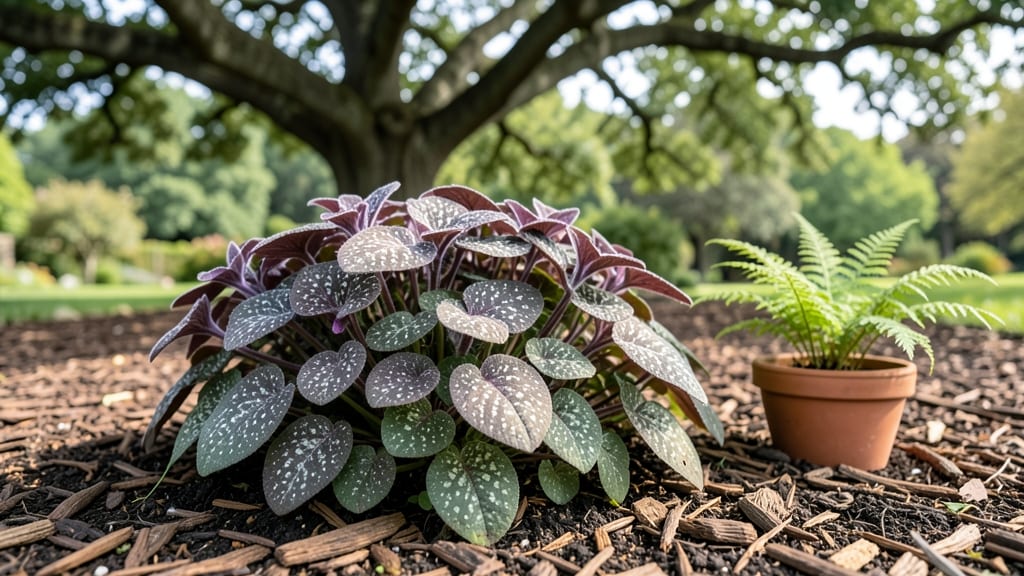
Some herbs that like shade—like mint, parsley, and chives—thrive where others fail, even under oak trees. 🌿 The secret lies in matching the right herbs to light conditions, from dappled shade to deep shadows.
These herbs adapt beautifully to lower light, though they may grow leggy without enough brightness. My parsley stays crisp and vibrant in partial shade, while mint spreads aggressively but stays productive. The key is rich, moist soil and regular harvesting to encourage bushier growth.
You’ll harvest fresh flavors year-round, from lemon balm’s citrusy leaves to cilantro’s bright stems. These herbs also deter pests naturally, making them perfect for shady corners where other plants struggle.
Works in containers, garden beds, or even indoors near windows. Let’s bring flavor to those forgotten spots!
Why Some Herbs Crave Shade
Not all herbs bask in the sun like rosemary or thyme—some thrive in shade because their biology, evolutionary adaptations, and metabolic needs make them perfectly suited to lower-light conditions.
Understanding why these herbs prefer dimmer spots helps you replicate their ideal growing environment. Here’s the science behind their shade-loving nature, broken down by key factors:
Herbs that flourish in shade often hail from understory environments—think dense forests, woodland edges, or tropical canopies where sunlight is filtered through leaves. Over millennia, these plants evolved traits to:
- Maximize low-light photosynthesis: Their leaves often contain higher concentrations of chlorophyll (the pigment that captures light) or accessory pigments like anthocyanins (which give red/purple hues to plants like mint or wild ginger). These pigments absorb blue and green light, which penetrates deeper into shaded areas.
- Grow larger, thinner leaves: Shade-tolerant herbs like cilantro or parsley develop broader leaf surfaces to capture as much diffuse light as possible. Their leaves also tend to be lighter green (less pigmented) to avoid overheating in indirect light.
- Avoid sunburn in filtered light: Direct sun can scorch delicate leaves adapted to gentle light. For example, chervil and golden balm have hairy or waxy leaf surfaces that reflect excess light and retain moisture.
Actionable tip: If you’re growing shade-loving herbs in containers, place them under dappled sunlight (like under a tree) or use mesh shade cloth (30–50%) to mimic their natural light conditions. 🌿
Shade-tolerant herbs don’t just survive in low light—they optimize their energy use to thrive where others would struggle. Here’s how:
- Slower growth, smarter energy: Unlike sun-loving herbs (which grow rapidly to capitalize on abundant light), shade herbs invest energy in root development and leaf density instead. For example, lemongrass grows tall and fibrous in shade to reach light, but its roots spread widely to absorb nutrients efficiently.
- C4 vs. C3 photosynthesis: Most shade herbs use C3 photosynthesis, which is less efficient in intense light but works well in cool, diffused conditions. (Sun-loving herbs like oregano often use C4 photosynthesis, which requires bright light to function.)
- Reduced water loss: Shade herbs typically have smaller stomata (pores) on their leaves, which limits water evaporation. This is critical in shaded spots where soil stays moist longer. Sweet woodruff and wild bergamot are prime examples.
Pro tip: If your shade herbs start growing leggy or pale, they’re signaling a need for slightly more light—but never direct sun. Try moving them to a brighter indirect spot (e.g., near a north-facing window) or supplement with a grow light (12 hours/day) for 2–3 weeks to boost chlorophyll production. 💡
Shade often correlates with cooler, more humid microclimates, which many herbs prefer over the dry, intense heat of full sun. Here’s why:
- Moisture retention: Shade reduces evaporative stress on plants. Herbs like ginger or galangal (used in Southeast Asian cuisine) originate from tropical understories where high humidity and dappled light prevent leaf desiccation.
- Avoiding heat shock: Direct sunlight can cause oxidative stress in leaves, leading to browning or crisping. Shade herbs have antioxidant-rich compounds (like flavonoids in mint) that protect their cells from heat damage.
- Soil temperature regulation: Shaded soil stays cooler and more evenly moist, which is ideal for herbs with delicate root systems, such as tarragon or lovage. Overheated soil can stunt growth or cause root rot.
Science-backed hack: If your garden’s shade is too dry (e.g., under a metal roof that radiates heat), improve humidity by:
- Mulching with organic matter (straw or wood chips) to retain moisture.
- Grouping shade herbs together to create a microclimate with higher humidity.
- Misting leaves early in the morning (avoid evening misting to prevent fungal issues). 💧
Shade isn’t just about light—it’s often tied to soil quality and competition in dense plant communities. Here’s how it plays a role:
- Rich, organic soil: Many shade-loving herbs (like chives or winter savory) thrive in nutrient-dense, well-draining soil that retains moisture. In full sun, such soils can dry out quickly, but shade keeps them consistently damp—ideal for nutrient uptake.
- Avoiding root competition: In shaded forests, herbs grow where tall trees or shrubs block sunlight but also compete for water and nutrients. Shade-tolerant herbs have adapted to thrive in partial shade with less competition, often growing close to the ground (e.g., wood sorrel or ground ivy).
- Acidic or alkaline tolerance: Some shade herbs prefer specific pH levels. For example, wild thyme (a shade-tolerant variety) grows best in slightly acidic soil (pH 6.0–7.0), which is common under deciduous trees.
Soil test tip: Before planting shade herbs, test your soil’s pH and amend it if needed:
- For acid-loving herbs (e.g., wintergreen): Add peat moss or pine needles to lower pH.
- For alkaline-tolerant herbs (e.g., chamomile): Mix in crushed limestone to raise pH.
Revive & Protect Your Shade-Loving Herbs
If your shade-tolerant herbs are struggling, don’t stress—most issues have simple fixes. Below, we’ll tackle common problems with practical solutions, from soil adjustments to light tweaks, plus prevention tips to keep your greens thriving in low-light spots. Let’s get your herbs back to their lush best!
Cause: Insufficient light or overcrowding. Solution: Herbs like mint, parsley, and chives need bright indirect light—not deep shade. If they’re stretching or looking sparse, it’s time to adjust their environment.-
🔥 Move Them Closer to a Window or Light Source
Place pots near an east- or north-facing window where they’ll get dappled sunlight. If natural light is limited, supplement with a grow light (12–16 hours/day). LED bulbs designed for herbs work wonders!
-
🍳 Thin Out Overcrowded Plants
Herbs like cilantro and chives spread quickly. Snip back leggy stems and transplant extras to new pots or garden beds. This improves airflow and prevents competition for nutrients.
-
⏰ Rotate Pots Regularly
Every few weeks, turn pots ¼ turn to ensure even light exposure. Uneven growth? Your herbs are begging for fairness!
💡 Pro Tip: If your herbs are still stretching, they might need a stronger light source. A simple clip-on LED grow light ($20–$40) can make a huge difference for indoor setups.
Cause: Overwatering, poor drainage, or root rot. Solution: Shade-loving herbs hate soggy roots. Let’s fix this before it’s too late.-
👨🍳 Check Your Watering Habits
Most shade herbs (like lemon balm or sweet woodruff) prefer consistently moist but not soggy soil. Stick your finger 1–2 inches deep—if it’s damp, wait. If dry, water thoroughly.
-
🔪 Improve Drainage Fast
Repot in containers with drainage holes if they’re in soggy soil. Add a layer of perlite or coarse sand to potting mix (50/50 ratio) to prevent compaction.
-
🌡️ Trim Damaged Foliage
Snip off yellow or mushy leaves to redirect energy to healthy growth. Sterilize scissors with rubbing alcohol to avoid spreading disease.
✨ Prevention Tip: Use self-watering pots with shade herbs—they’re forgiving if you forget to water occasionally!
Cause: High humidity or poor airflow attracts slugs, aphids, or fungus gnats. Solution: Shade gardens can be pest magnets, but these tricks keep them at bay.-
🌿 Boost Air Circulation
Space plants 6–12 inches apart and prune overgrowth. A small fan on low (for indoor herbs) can deter pests.
-
🔥 Natural Pest Repellents
- Crush garlic or chili peppers into the soil (herbs like it!).
- Set up beer traps for slugs (bury a shallow dish filled with beer).
- Spray neem oil (1 tsp per quart of water) on leaves weekly.
-
🎯 Manual Removal
Handpick aphids or slugs early in the morning when they’re sluggish. Drop them in soapy water—no cruelty needed!
💡 Pro Tip: Companion planting works! Grow marigolds or basil nearby—their scents confuse pests and protect your shade herbs.
Once you’ve revived your herbs, keep them happy with these long-term strategies:| Problem | Solution | Prevention Tip |
|---|---|---|
| Stunted growth | Add compost or worm castings to soil | Fertilize lightly with fish emulsion (every 4–6 weeks) |
| Brown leaf tips | Reduce humidity with a dehumidifier (indoors) or improve airflow | Water at soil level, not overhead |
| Slow regrowth | Prune back by ⅓ to encourage bushier growth | Harvest regularly—don’t let herbs get too woody! |
Shade herbs are resilient once you meet their basic needs. With the right light, water, and a little TLC, your dark corner will soon be a fragrant, thriving oasis. Happy gardening! 🌿
Frequently asked questions
What’s the best shade condition for growing herbs?
Most shade-loving herbs thrive in partial shade (3–6 hours of dappled sunlight daily). Deep shade (like under dense evergreens) may cause leggy growth. For containers, place them near north-facing windows or under deciduous trees where light filters gently.
Can I grow mint indoors without sunlight?
Mint needs bright indirect light—even indoors. Place it within 1–2 feet of a window (south- or west-facing works best). If leaves turn pale or stretch, supplement with a grow light (12–14 hours/day). A sunny windowsill is ideal!
Why do my shade herbs grow tall and skinny?
This "leggy" growth happens when herbs stretch toward light. Move them to a brighter spot (but avoid direct sun) or prune the top 1–2 inches to encourage bushier growth. Rotate pots weekly for even light exposure.
Which shade herbs are best for containers?
Top picks for pots: mint, parsley, chives, and lemon balm. Use containers with drainage holes and well-draining soil. For small spaces, try cilantro or dill—they grow well in 6-inch pots and can be harvested frequently.
How often should I water shade herbs?
Shade herbs prefer consistently moist soil but hate sogginess. Water when the top 1 inch of soil feels dry. In containers, check daily—pots dry out faster. Mulch with straw to retain moisture and reduce evaporation.