
Orchid Care
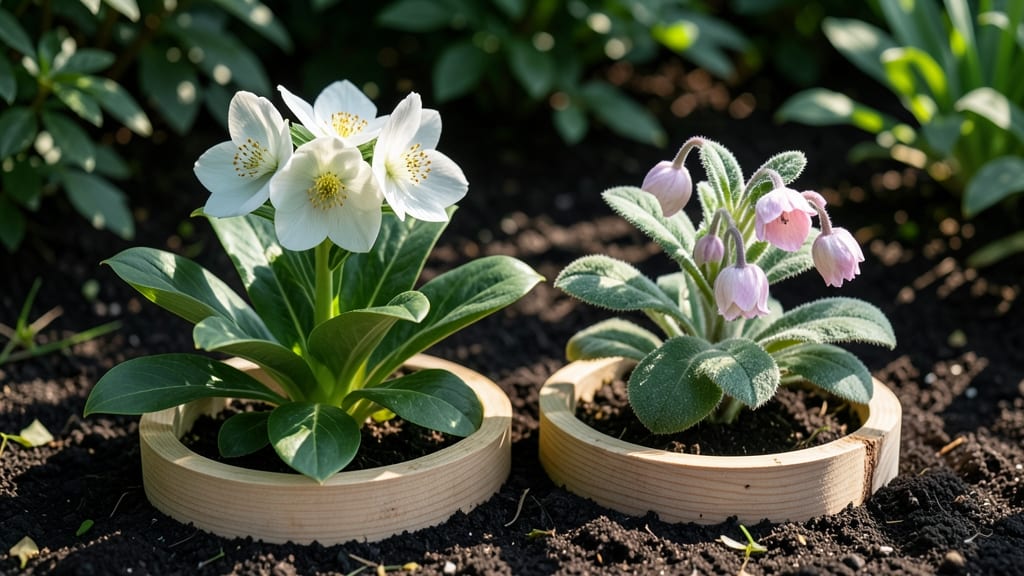
The helleborus thrives in sun or shade with surprising flexibility 🌸 — but getting the balance right is the key to those year-round blooms you’ve been dreaming of.
Struggling to keep your helleborus thriving year-round? The battle between sun and shade doesn’t have to be a mystery—these hardy perennials actually have surprising light flexibility that most gardeners overlook.
Too much direct sun can scorch delicate leaves, while too little shade might leave you with sparse blooms. The secret lies in understanding your helleborus’ microclimate—whether you’re in a hot, dry region or a cooler, damp one—and how to adjust care accordingly.
In this guide, I’ll walk you through the ideal light conditions for your helleborus, regional tweaks, and simple tricks to maximize those stunning flowers, no matter where you garden.
 Best Window Placement
Helleborus light requirements: sun vs shade tolerance explained
If you’ve ever wondered why your helleborus thrives in one spot but struggles in another, the answer likely lies in its light requirements. While these plants are famously adaptable, their needs vary dramatically between Helleborus niger (Christmas rose) and Helleborus orientalis (Lenten rose).
Understanding these differences can mean the difference between year-round blooms and sparse, stressed foliage.
The key to successful helleborus care lies in recognizing that partial shade is their sweet spot, but some varieties handle more sun than others. For example, Helleborus niger can tolerate morning sun better than its cousins, while Helleborus orientalis prefers dappled light.
Let’s break down the nuances so you can place your helleborus for optimal growth.
For Helleborus niger, the Christmas rose, morning sunlight is ideal—it fuels early blooms but avoids the harsh afternoon rays that can scorch leaves. In contrast, Helleborus orientalis prefers dappled shade, mimicking the forest floor where it naturally thrives.
If your garden has hot afternoons, orientalis varieties will reward you with more robust growth and vibrant blooms when kept in shade.
One common misconception is that helleborus can handle full sun like sun-loving perennials. While some varieties like Helleborus niger can tolerate up to 4 hours of direct sun, exceeding this—especially in afternoon sunlight—will lead to leaf scorch and reduced flowering.
Pay attention to leaf color: healthy helleborus leaves should be deep green, not pale or yellowed.
If your helleborus is struggling, check for light-stress symptoms like bleached or crispy leaf edges, which signal too much sun. Conversely, leggy stems or fewer blooms often mean it’s not getting enough light.
The solution? Move your plant to a spot with filtered light or use a light-colored shade cloth to diffuse harsh rays during peak hours.
In shady gardens, helleborus can still thrive, but you may need to supplement with artificial light in winter if blooms become sparse. A simple grow light for a few hours a day can encourage stronger stems and more flowers.
For sunny gardens, prioritize morning sun exposure and provide afternoon shade using taller plants like hostas or ferns as companions.
Regional differences also play a role. In hot, southern climates, helleborus often performs best in full shade, while in cooler northern regions, they can handle partial sun without stress.
Always observe your plant’s response to its environment—helleborus are forgiving, but they’ll tell you what they need through their foliage and blooms.
Pro tip: If you’re unsure about your garden’s light conditions, use a light meter or the shadow test. Place a stick in the ground where you plan to plant—if the shadow is shorter than the stick for most of the day, it’s too sunny.
Aim for a 30-50% shade ratio for most helleborus varieties to keep them happy year-round.
How to maximize helleborus blooms based on your garden’s light
Your helleborus plants might be telling you more than you think—especially about light. While they’re famously shade-tolerant, too little or too much light can stunt blooms or even scorch foliage.
The key lies in understanding how to adjust your garden’s microclimate to match their needs, whether you’re working with deep shade or bright dappled sunlight.
Helleborus thrive in partial shade (3-6 hours of filtered light daily), but their ideal conditions vary by variety. For example, Helleborus niger (Christmas rose) handles more sun than Helleborus orientalis, which prefers cooler, shadier spots.
The good news? With the right strategies, you can boost flower production in almost any light setting.
- Mulch with 3-4 inches of organic mulch (like shredded bark) to regulate soil temperature and retain moisture in sunny spots.
- Plant tall grasses or ferns nearby to filter harsh afternoon sun while keeping helleborus in bright indirect light.
- Amend shady soil with composted manure or worm castings to boost nutrient uptake in low-light areas.
- Use reflective surfaces (like white gravel or light-colored stones) to bounce extra light into deep shade gardens.
- Adjust seasonal light exposure: Move containers to sunnier spots in winter and shadier spots in summer for balanced growth.
For gardens with limited shade, focus on morning sun exposure and afternoon shade. Helleborus can handle up to 4 hours of morning sun if protected from the intense afternoon rays that cause leaf burn.
Try planting them near east-facing walls or under deciduous trees—the canopy will naturally filter light as the season progresses.
In deep shade gardens, prioritize soil fertility and moisture retention. Since helleborus can’t photosynthesize efficiently in low light, they rely on rich, organic soil to thrive. Mix in leaf mold or well-rotted compost at planting time, and top-dress annually in early spring to support blooming.
Don’t overlook the power of companion planting to fine-tune light conditions. Pair helleborus with hostas or astilbes to create a gradual light transition from full shade to partial sun. These plants also help suppress weeds while keeping the soil cool and moist—perfect for helleborus roots.
With these light-adaptation strategies, your helleborus will reward you with longer bloom seasons and healthier foliage, regardless of your garden’s natural light conditions. Start with one technique this season, and watch your plants respond with vibrant, abundant flowers! 🌸