
Planting
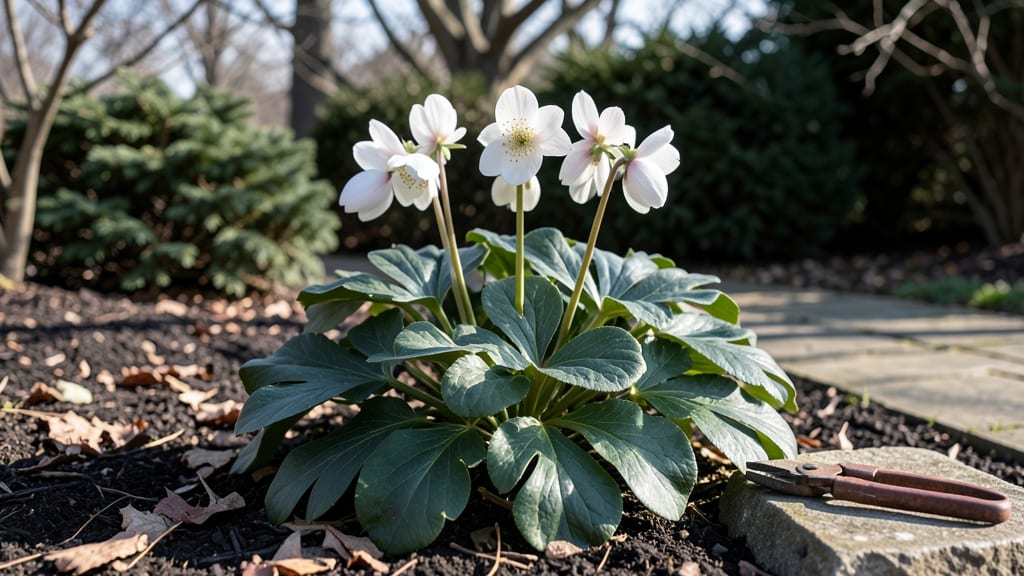
My hellebore shade plant collection stole the show this winter with its bold blooms and glossy foliage—proof that shade gardens can be just as dramatic as sunny ones. 💚 These cold-hardy evergreens thrive where others fail, pushing through snow to deliver color when most plants are dormant.
The secret lies in their love for deep shade and moist, well-draining soil—conditions that mimic their native woodland habitats. You’ll need a spot that gets dappled light or full shade, along with rich, organic soil amended with compost.
Varieties like Helleborus niger (Christmas rose) and Helleborus orientalis (Lenten rose) offer different bloom times and colors, from pristine white to deep purple. Plant in fall or early spring for the best root establishment, and space them 12-18 inches apart to allow for their eventual size.
Once established, they’re nearly foolproof—water only when the top inch of soil dries out, and avoid heavy mulch that could suffocate roots. The real magic happens in late winter or early spring, when their cupped, nodding flowers emerge like tiny lanterns against the bare branches of other plants.
Prune spent blooms in early summer to encourage a second flush of flowers. For leggy growth or sparse blooms, move plants to a slightly sunnier spot (but never full sun) and fertilize lightly in early spring with a balanced, slow-release formula.
These plants reward patience with decades of effortless beauty—once they’re happy, they’ll naturalize and spread over time.
📚 In This Guide
- What you need
- Instructions
- Tips and common mistakes
- Wrapping up and next steps
What you need
- ● Hellebore plants: Choose between Helleborus niger (Christmas rose) or Helleborus orientalis (Lenten rose). Buy 3–5 mature plants (1–2 gallons each) for best impact.
- ● Well-draining potting mix: 5–10 gallons (or enough to fill your planting area). A blend of 50% garden soil, 30% compost, and 20% perlite/sand works perfectly.
- ● Organic mulch: 2–3 inches of shredded bark or leaf mold to retain moisture and regulate soil temperature.
- ● Slow-release fertilizer: A balanced 10-10-10 or organic option like bone meal (1–2 tbsp per plant).
- ● Garden trowel or spade (for digging holes 12–18 inches deep).
- ● Garden gloves (to protect your hands from thorns and soil).
- ● Watering can or hose with a gentle spray nozzle (hellebores hate soggy roots!).
- ○ Pruners (optional)—for trimming dead foliage after planting.
- ● A shady spot with partial to full shade (dappled sunlight is ideal).
- ● Well-draining soil (hellebores hate waterlogged conditions—amend clay soil with compost!).
- ● Patience! Seeds take 2–3 years to bloom, while mature plants reward you with early spring color.
Step-by-Step guide to planting and caring for hellebores
These cold-hardy evergreens thrive in shade and reward patience with stunning early blooms.
🌱 Step 1: Select the Perfect Planting Location
Hellebores love partial to full shade, making them ideal for under trees or along north-facing walls. Choose a spot with dappled sunlight—at least 4-6 hours of shade daily. I always look for areas where morning sun grazes the leaves but afternoon shade keeps them cool.
Test the soil by squeezing a handful—it should crumble easily when dry but hold moisture without feeling soggy. Hellebores hate soggy roots, so avoid low spots where water pools. Amend heavy clay with compost to improve drainage and aeration.
🪴 Step 2: Plant at the Right Depth and Spacing
Dig a hole twice as wide as the root ball but only as deep as the container’s base. Hellebores dislike being buried too deeply, which can rot their crowns. Gently remove the plant from its container and tease the roots outward if they’re circling.
Space plants 12-18 inches apart—closer for dwarf varieties, farther for larger cultivars. The reason we space them well is that hellebores spread slowly but steadily, and crowding leads to weak stems and fewer blooms. Backfill with native soil mixed with compost for extra nutrients.
☀️ Step 3: Water Deeply and Mulch for Winter Protection
Water thoroughly after planting to settle the soil around the roots, then let the top 2 inches dry out before watering again. Hellebores are drought-tolerant once established but need consistent moisture during their first year. You’ll know they’re happy when their deep green leaves stay firm and upright.
Apply a 3-inch layer of mulch (such as shredded bark or leaves) around the base, keeping it 2 inches away from the crown to prevent rot. This mulch layer insulates roots in winter and conserves moisture in summer. Replenish it annually as it breaks down.
✂️ Step 4: Prune and Fertilize for Long-Term Health
Deadhead spent blooms in late spring to encourage a second flush of flowers, but never cut into the foliage—those leaves power next year’s blooms. I wait until after the first frost to trim any yellowed or damaged leaves, using clean, sharp shears to avoid tearing.
Fertilize lightly in early spring with a balanced, slow-release fertilizer (10-10-10). Too much nitrogen makes hellebores produce lush leaves but few flowers. Watch for new growth in early spring—that’s your cue to feed. Avoid fertilizing in fall, as it encourages tender growth vulnerable to winter cold.
⏰ Step 5: Monitor for Pests and Adjust Care Seasonally
Hellebores are generally pest-resistant, but slugs and snails may target young plants or seedlings. I set out beer traps (a shallow dish of beer) near newly planted hellebores—they’re effective and won’t harm the plants. Remove any chewed leaves promptly to prevent further damage.
In winter, hellebores go dormant but stay evergreen. If heavy snow accumulates, gently brush it off to prevent stem breakage. In summer, reduce watering slightly—overly wet soil in heat can stress the plants. You’ll see the best blooms when hellebores get consistent but not soggy moisture year-round.
Tips & tricks for perfect hellebore planting and care
These cold-hardy perennials are surprisingly low-maintenance once established—but a few key tricks will ensure they thrive from day one.
Location Intelligence: When selecting your planting spot, pay close attention to the existing plant community. Hellebores perform best when surrounded by other shade-tolerant plants like ferns or hostas, which create a naturally moist microclimate. I've found that planting them near the base of deciduous trees (like maples or oaks) gives them the perfect balance of morning sun and afternoon shade—just avoid areas where roots compete aggressively.
Soil Science: The soil test you perform should reveal whether your site needs amendments beyond just compost. For heavy clay soils, mix in sand or perlite to improve drainage while maintaining moisture retention. In sandy soils, work in peat moss or coconut coir to help retain water. Remember, hellebores hate soggy feet but can't tolerate bone-dry conditions either—they need that Goldilocks zone of "just right" moisture.
Planting Precision: When teasing out those circling roots in Step 2, be gentle but thorough. I use my fingers to carefully separate the roots outward, creating a more natural, spread-out shape in the planting hole. This encourages better root establishment and prevents the plant from becoming root-bound later. For container-grown hellebores, give the root ball a good soak before planting to reduce transplant shock.
Seasonal Strategy: The mulch layer you apply in Step 3 serves double duty beyond insulation. In early spring, that mulch will slowly release nutrients as it breaks down, giving your hellebores a gentle feeding without the risk of over-fertilizing. I like to top-dress with a thin layer of leaf mold in late winter—it's rich in organic matter and helps prevent soil compaction around the crown.
Pro Tips for Hellebore Shade Plant
- These cold-hardy perennials are surprisingly low-maintenance once established—but a few key tricks will ensure they thrive from day one.
- Location Intelligence: When selecting your planting spot, pay close attention to the existing plant community.
- Soil Science: The soil test you perform should reveal whether your site needs amendments beyond just compost.
Frequently asked questions
Got questions about growing hellebores in shady spots?
You’re not alone! Here are answers to the most common queries—from planting tips to troubleshooting—so you can enjoy these stunning early bloomers with confidence.
What’s the best time to plant hellebores?
Plant hellebores in early fall or late winter for the best results. This gives roots time to establish before summer heat. If you must plant in spring, keep soil consistently moist until they’re settled. Avoid transplanting in extreme heat or drought.
Are hellebores truly cold-hardy?
Most hellebores thrive in USDA Zones 4–9, surviving winter temperatures down to -20°F (-29°C). Their evergreen foliage stays attractive even under snow. Just ensure well-draining soil to prevent rot in heavy clay.
What shade conditions do hellebores tolerate?
Hellebores love dappled shade to full shade (2–6 hours of sunlight daily). They’ll tolerate morning sun but avoid harsh afternoon rays, which can scorch leaves. East-facing spots or filtered light under trees are ideal.
Why aren’t my hellebores blooming?
Bloom failure often stems from too much shade, over-fertilizing, or crowded roots. Ensure they get some light (even indirect), avoid high-nitrogen fertilizers, and divide clumps every 3–5 years to refresh growth. Patience helps—some varieties take 2–3 years to mature.
Can I grow hellebores in containers?
Yes! Use 12–14-inch pots with well-draining soil (mix potting soil with perlite or sand). Choose compact varieties like ‘HGC Winter’s Song’. Water regularly in containers, as they dry out faster than in-ground plants. Move pots to a sheltered spot in winter if temps drop below 10°F (-12°C).
Are hellebores deer-resistant?
Generally yes, but not foolproof! Deer may nibble in winter when other food is scarce. Protect young plants with chicken wire or plant near deer-resistant companions like ferns or lamb’s ear. Slugs and snails are bigger pests—use beer traps or diatomaceous earth if needed.
Wrapping up and next steps
Hellebores are the unsung heroes of shady gardens—easy to grow, stunningly resilient, and packed with early-season charm. Whether you’re a seasoned gardener or just starting, these cold-hardy evergreens bring color and life to even the darkest corners of your yard.
Ready to transform your space? Start by picking your favorite varieties and dive into planting—your winter garden will thank you! 🌱✨
- Pro tip: Pair hellebores with ferns or hostas for a dreamy woodland effect.
- Next step: Check soil drainage and mulch well to keep roots happy all year.