
Flowers
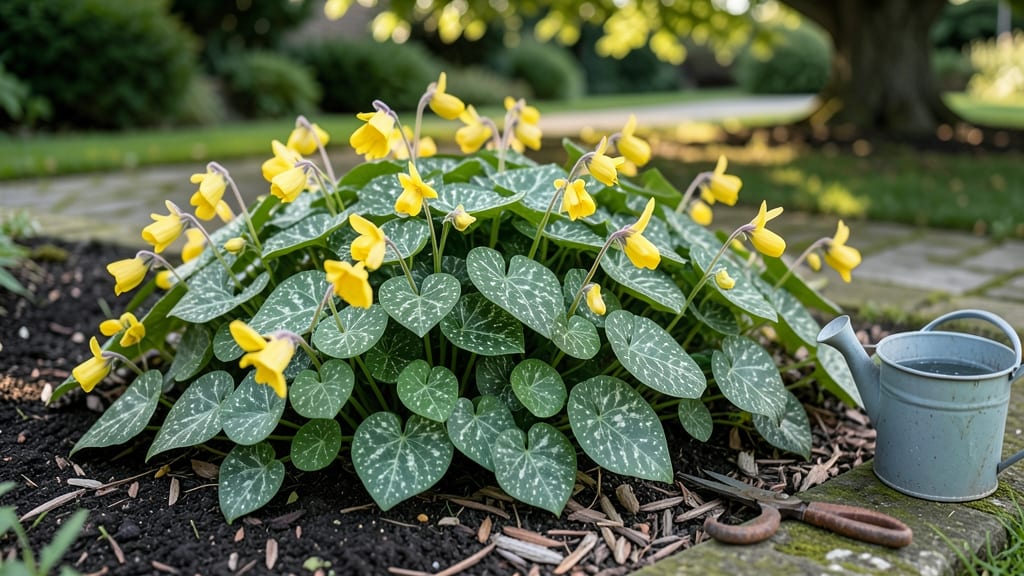
Heavy shade ground cover transforms forgotten dark corners into lush, private retreats. 🌿 I've tested dozens of plants in my own shady yard, and these evergreen options actually thrive where others fail—no yellowing, no sparse growth, just reliable coverage year-round.
The secret lies in pairing the right plants with proper soil prep: amending heavy clay or sandy soil with compost creates the perfect foundation. Spacing matters too—plant 18-24 inches apart for full coverage within a season, and choose varieties that spread naturally without invading nearby plants.
You'll end up with a verdant carpet that suppresses weeds, retains moisture, and provides year-round interest. The best part? These plants handle foot traffic better than lawns, making them ideal for pathways or play areas under trees. Works equally well under towering oaks, along north-facing walls, or in courtyard gardens.
Let's dive into the top performers that actually deliver on their promises.
📚 In This Guide
- What you need
- Instructions
- Tips and common mistakes
- Wrapping up and next steps
What you need
- ● Heavy shade-tolerant plants: 10–20 plants (depending on area size) like Hellebores, Ajuga, Foamflower (Tiarella), or Liriope.
- ● High-quality topsoil or compost: 2–3 cubic yards (for amending existing soil).
- ● Organic mulch: 2–3 inches of shredded bark or pine needles (to retain moisture and suppress weeds).
- ● Slow-release fertilizer: 10–20 lbs (for nutrient boost, especially in poor soil).
- ● Pruning shears: 1 pair (for shaping and maintenance).
- ● Garden fork or tiller (for aerating compacted soil).
- ● Garden hose or sprinkler (for deep watering).
- ● Rake (for leveling soil and spreading mulch).
- ● Gloves (to protect your hands from thorns or rough foliage).
- ● Measuring tape (to plan spacing for optimal coverage).
- ● Soil test kit: To check pH and nutrient levels before planting.
- ● Epsom salt: For magnesium-rich soil (great for leafy ground covers).
- ● Drip irrigation system: For consistent moisture in dry spells.
- ● Edging material: Like landscape fabric or stones (to define borders neatly).
Step-by-Step guide to planting heavy shade ground cover
Here's how to create a lush, evergreen privacy screen that thrives where sunlight barely reaches.
🌱 Step 1: Prepare the Soil for Low-Light Success
Heavy shade ground covers need soil that drains well but holds moisture—think of it as a sponge that doesn’t collapse. Work in 2-3 inches of compost into the top 6 inches of soil to improve fertility and aeration. I like to mix in a handful of sulfur if your soil tests acidic (most shade plants prefer pH 5.5-6.5).
Test drainage by digging a 12-inch deep hole and filling it with water. If it drains in under 30 minutes, you're good. If not, add 1-2 inches of coarse sand or perlite to the backfill mix. These plants hate soggy roots, so proper drainage is non-negotiable.
🪴 Step 2: Choose and Space Plants for Maximum Coverage
Select 4-6 shade-tolerant varieties like Hellebore (Lenten Rose), Sweet Woodruff, or Alum Root—these spread aggressively while staying evergreen. Space plants 12-18 inches apart in rows 18 inches apart for full coverage in 2-3 years. I plant in a staggered pattern to fill gaps faster.
Dig holes twice as wide as the root ball but only as deep as the container. This prevents burying the crown too deep, which causes rot. Gently loosen roots if they're circling in the pot—this encourages outward growth instead of upward.
💧 Step 3: Plant and Water for Immediate Establishment
Place each plant in its hole, backfill with native soil mixed with 1 part compost, and firm gently around the base. Water immediately with 1 gallon per plant to settle the soil. The goal is to eliminate air pockets—tap the soil lightly with your fingers to check for firmness.
Mulch heavily with 3 inches of shredded bark or pine needles to suppress weeds and retain moisture. Keep mulch 2 inches away from stems to prevent rot. Water 2-3 times weekly for the first 4 weeks, then taper to once weekly once leaves show new growth. Overwatering here is the #1 killer of shade plants.
☀️ Step 4: Maintain for Year-Round Privacy
Fertilize lightly in early spring with ½ cup of 10-10-10 per 10 sq ft—these plants are low-maintenance but appreciate a gentle boost. Prune back leggy stems in late winter to encourage bushier growth. I shear mine with hand pruners, cutting just above a leaf node.
Watch for mold or fungal spots on leaves—this means humidity is too high. Improve airflow by thinning crowded areas. In year 2, you’ll see gaps fill naturally, but fill bare spots with divided plants from the edges. Patience is key; full coverage takes 2-3 seasons but pays off with year-round greenery.
Tips & tricks for planting heavy shade ground cover
These simple strategies will help you create a thriving evergreen privacy screen that actually works in those tricky, low-light spots.
Soil Prep Secret: Before amending your soil in Step 1, grab a handful and squeeze it—if it stays in a tight ball, you need more sand or perlite. The 30-minute drainage test is key: if water pools after 30 minutes, you're risking root rot. I like to mix in ½ cup of peat moss per square foot to help retain moisture without suffocating roots. This creates the perfect balance for shade-loving plants.
Plant Selection Insight: In Step 2, don't just pick any shade plants—look for varieties labeled "evergreen" on the tag. Hellebore and Sweet Woodruff are my top picks because they handle both wet and dry spells better than most. Pro tip: Buy slightly larger plants (3-4 inches tall) at the nursery—they establish faster and fill gaps sooner than tiny starts.
Watering Wisdom: That initial 1 gallon per plant in Step 3 is critical, but timing matters too. Water in the morning so leaves have time to dry before evening. After the first 4 weeks, reduce to weekly watering only if you notice wilting—these plants often signal thirst by drooping leaves. A deep soak once a week beats frequent light watering every day.
Long-Term Maintenance: For Step 4, I schedule my spring fertilization right after the first blooms appear. The ½ cup of 10-10-10 per 10 sq ft is perfect, but spread it evenly—don't pile it near stems. I also recommend adding a thin layer of compost every fall to feed the soil gradually. This prevents fertilizer burn while keeping your plants lush year after year.
Pro Tips for Heavy Shade Ground Cover
- These simple strategies will help you create a thriving evergreen privacy screen that actually works in those tricky, low-light spots.
- Soil Prep Secret: Before amending your soil in Step 1, grab a handful and squeeze it—if it stays in a tight ball, you need more sand or perlite.
- Plant Selection Insight: In Step 2, don't just pick any shade plants—look for varieties labeled "evergreen" on the tag.
Frequently asked questions
Got questions about thriving ground cover in heavy shade? Here are some of the most common concerns—and their answers—to help you plant with confidence!
What are the best low-maintenance options for heavy shade?
Look for Hellebores (Lenten Rose), Sweet Woodruff, or Lungwort—these tough perennials handle deep shade, minimal sunlight, and require little upkeep. For evergreen options, Creeping Phlox or Dwarf Mondo Grass are excellent choices that stay lush year-round.
How long does it take for heavy shade ground cover to establish?
Most shade-tolerant ground covers take 1–2 growing seasons to fully fill in, depending on the plant. Fast-spreading varieties like Liriope (Lily Turf) may close gaps in a year, while slower growers like Ajuga (Bugleweed) take 2–3 years. Patience pays off—thicker coverage means better weed suppression!
Can I plant heavy shade ground cover in winter?
Yes! Planting in early spring or fall (when soil is workable but not frozen) gives roots time to establish before extreme heat or cold. Avoid winter planting in freezing climates—roots may heave or struggle. If you must plant in winter, use mulch to protect young roots.
What if my ground cover isn’t spreading like it should?
Check for root-bound plants, poor soil drainage, or lack of moisture. Divide mature clumps every 3–4 years to encourage growth, and amend heavy clay soil with compost or organic matter. If pests (like slugs) are the issue, use beer traps or diatomaceous earth for natural control.
Are there alternatives if my yard has extreme shade (no direct sunlight)?
For deep, dense shade (like under large trees), try Fern allies (e.g., Osmunda cinnamomea), Wild Ginger, or Alum Root. These thrive where even shade-loving plants struggle. Pair them with moss for a lush, carpet-like effect in the darkest corners.
Wrapping up and next steps
Transforming shady spots into lush, evergreen privacy screens is totally within reach—you just need the right heavy shade ground cover! 🌿 From HelleboresLungwort, these plants thrive where others struggle, offering year-round beauty with minimal fuss.
Whether you're tackling a dark corner or a sprawling backyard, these hardy picks will turn your challenge into a vibrant, low-maintenance oasis.
Ready to dive in? Start by reviewing your needs—soil, sunlight, and space—and pick one or two of these winners to begin. Before you know it, your heavy shade area will be the envy of the neighborhood! 🌱